
The Rise of Eco-Friendly Demand in Bulk Produce Storage

The Rise of Eco-Friendly Demand in Bulk Produce Storage.

The Rise of Eco-Friendly Demand in Bulk Produce Storage

Posted by Logical Position
A room with many stacks of boxes. The boxes all have produce in them. Most of the boxes are white; some are green.

The increasing awareness about environmental issues and sustainability has significantly impacted consumer behavior across industries, including agriculture and food storage. Bulk produce storage, a vital aspect of the farm-to-table pipeline, is no exception. The demand for eco-friendly solutions in this domain has grown rapidly as businesses strive to meet consumer expectations and reduce environmental impact. This shift marks an important step forward in creating a sustainable food supply chain. Take a look at your own production workflow and determine where and how to best incorporate sustainable practices. The rise of eco-friendly demand in bulk produce storage is something you must consider to remain competitive in a developing industry.

There are several stacks of boxes; the boxes at the top of the stacks each have different fruits and vegetables in them.

Understanding Bulk Produce Storage and Its Environmental Impact

Bulk produce storage involves the handling, preservation, and organization of large quantities of fruits, vegetables, and other perishables. While traditional methods have hinged on efficiency and cost-saving measures, they often carry a heavy environmental toll.

Conventional storage solutions rely on plastic packaging, energy-intensive refrigeration units, and non-biodegradable materials that contribute to pollution and waste. The drive for eco-friendly alternatives is part of a larger effort to decrease greenhouse gas emissions, reduce plastic usage, and adopt waste-conscious practices.

Why Sustainability Matters in Produce Storage

Sustainability in produce storage is not just a trend; it is a necessity. Agriculture is intimately tied to environmental health, and unsustainable practices risk depleting vital resources such as soil and water. For producers and distributors, adopting greener methods allows for improved energy efficiency, reduced waste, and alignment with consumer values.

The Environmental Protection Agency (EPA) estimates that millions of tons of food waste occur annually, highlighting the need for innovative solutions that both lengthen the shelf life of fresh produce and minimize loss.

Reducing carbon footprints in the agricultural supply chain is also essential in mitigating climate change effects. Eco-friendly bulk storage solutions that rely on renewable energy sources or minimize refrigeration needs address these challenges while providing long-term economic benefits.

What’s Driving the Rise in Eco-Friendly Demand?

Several factors are fueling the rise in demand for eco-conscious bulk produce storage methods. One of the primary drivers is shifting consumer preferences, with sustainability becoming a key consideration in purchasing decisions. People are more aware of the environmental consequences of their choices and increasingly select brands that demonstrate a strong commitment to green practices. Transparency in supply chains has also contributed to this trend, as customers demand accountability at every step of production and distribution.

Legislation is another powerful catalyst, as governments and policymakers around the world are imposing stricter environmental regulations on industries, including agriculture and packaging. Incentivizing the use of renewable energy, banning single-use plastics, and promoting waste-reduction frameworks have all pushed organizations to rethink their strategies and invest in environmentally friendly solutions.

Innovations in Eco-Friendly Produce Storage

Eco-friendly innovations in bulk produce storage have emerged as game-changers for the industry. One prominent trend is the adoption of biodegradable and compostable packaging that significantly reduces the reliance on plastic. Materials such as plant-based films and fully recyclable containers provide sustainable alternatives without diminishing functionality or produce freshness.

Energy-efficient refrigeration systems are another crucial advancement. Modern cooling units harness renewable energy sources like solar or wind power, cutting down the carbon emissions typically associated with large-scale cold storage facilities. Innovations in temperature regulation, such as dynamic controlled-atmosphere storage, help maintain optimal conditions for produce using less energy.

Technology plays an essential role in improving bulk storage sustainability as well. Smart sensors, artificial intelligence, and IoT-enabled systems streamline storage logistics, reduce spoilage, and optimize inventory management. These digital solutions help address inefficiencies while ensuring compliance with eco-friendly standards.

Benefits for Businesses and the Environment

The advantages of transitioning to eco-friendly produce storage go beyond environmental conservation. Businesses that adopt sustainable practices often enjoy cost savings over time. For example, reduced energy consumption and longer-lasting storage equipment translate to lower operational costs. At the same time, reducing food waste enhances profitability by ensuring more produce reaches consumers.

From a branding perspective, eco-conscious businesses benefit from increased consumer loyalty and stronger reputations. Modern customers are drawn to companies with values aligned with sustainability, turning environmentally friendly practices into a competitive edge. Highlighting green efforts in marketing strategies can also attract environmentally minded investors, further aiding company growth.

Environmental benefits include conserving resources, reducing landfill contributions, and mitigating climate change effects. By incorporating circular economic principles, such as redesigning systems to eliminate waste, producers and suppliers can minimize their impact on the planet, ensuring a healthier ecosystem for future generations.

Challenges in Implementing Sustainable Storage Solutions

Despite its many advantages, the shift to eco-friendly bulk produce storage presents several challenges. Initial costs of adopting new systems and technologies can deter smaller businesses with limited budgets. Upgrading refrigeration units, investing in biodegradable packaging, or implementing IoT technologies often requires considerable capital expenditure, which may take time to recoup.

The availability of eco-friendly materials and systems varies globally. Developing countries or regions with limited access to green technology may struggle to match the pace of innovation. This gap creates disparities within the supply chain, making it harder for the worldwide adoption of uniform sustainable practices.

Resistance to change can also hamper progress. Adjusting to new methods and technologies requires education, training, and collaboration across stakeholders. Without proper support from governments and industry leaders, adoption rates may falter, slowing the momentum of the eco-friendly movement.

The Future of Eco-Friendly Bulk Produce Storage

Looking ahead, the demand for sustainable storage solutions is poised to grow stronger. Companies that invest in research and development for greener technologies will likely lead the charge, setting an example for the rest of the industry. Collaboration between governments, businesses, and environmental organizations will also play a pivotal role in driving widespread adoption.

The future lies in integrating even more innovative practices, such as vertical farming that reduces transportation needs and climate-controlled facilities powered entirely by renewable energy. Stronger incentives and subsidies for sustainable practices could also encourage smaller businesses to overcome financial barriers and join the eco-friendly movement.

A man wearing a hairnet and coveralls is holding a box of produce. There are boxes behind him against the wall.

Improve Your Practices

The rise of eco-friendly demand in bulk produce storage marks an important shift toward sustainability in the agricultural supply chain. By adopting greener solutions, businesses not only address urgent environmental concerns but also position themselves as leaders in an evolving market. Although challenges remain, the increasing availability of innovative technologies and the growing awareness of sustainability’s importance set the stage for a future where bulk produce storage is both efficient and environmentally responsible.

If your company requires cardboard produce boxes for wholesale to meet your sustainability goals, United Container is here to provide you with the storage options you need. We’re happy to help you improve your workflows and take your company to the next level when it comes to growth and eco-friendly solutions.

Understanding the Different Types of Produce Bulk Bins

Posted by Logical Position
A smiling woman in a red apron is holding fruit in her hands. There are several bins of fruit around her.

When you walk into a grocery store, the array of colorful and fresh produce displayed in bulk bins is a feast for the eyes. However, few take the time to understand the variety of bulk bins and how they can impact not only your shopping habits but also your health, budget, and the environment. Produce bulk bins are not all the same; they cater to different needs, from preserving freshness to minimizing waste. By familiarizing yourself with the different types of produce bulk bins, you can design your store to utilize the perfect configuration of different produce bins.

(more…)

Proper Storage and Staging of Bulk Cardboard Box Supplies

Posted by Jeff Doroh
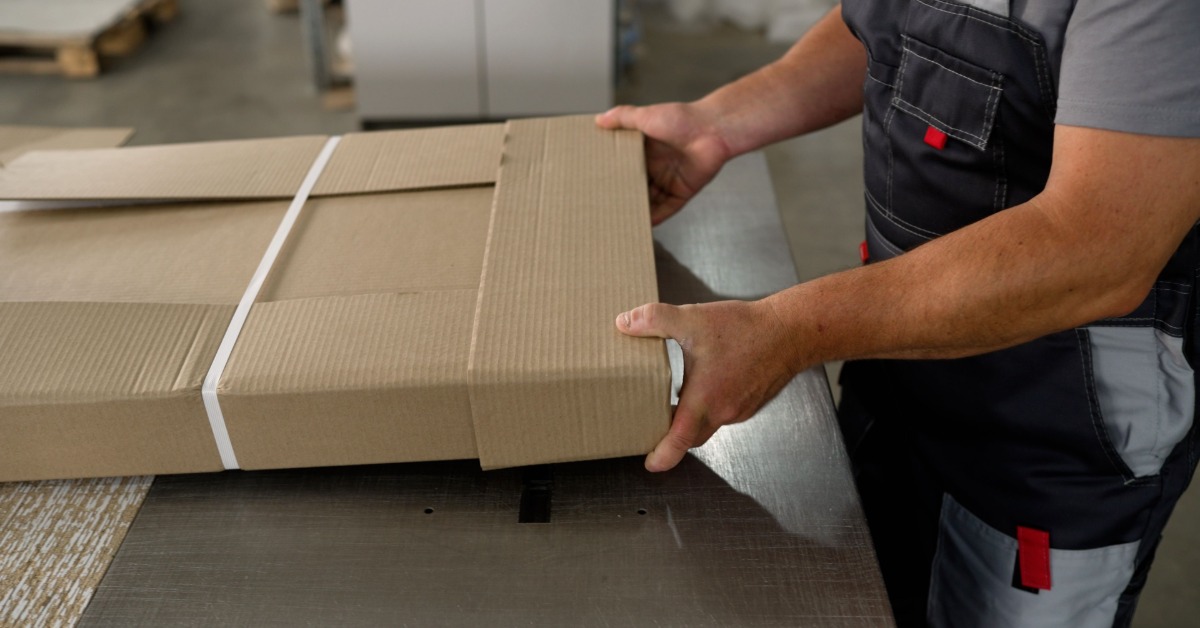
A factory worker is picking up a small stack of folded cardboard from a larger stack of cardboard.

Efficient storage and staging of bulk cardboard box supplies are critical for businesses relying on packaging materials to protect their products. With cardboard playing a key role in shipping and storage operations, ensuring its proper care can save costs, enhance operational efficiency, and prevent damage. Learn the best practices to store and stage bulk cardboard boxes effectively while maintaining organization in your facility.

(more…)

Interesting Facts About Cardboard You May Not Have Known

Posted by Jeff Doroh
A pile of cardboard boxes stacked on top of each other. The boxes are in a white void with no other features.

Cardboard is an unassuming yet indispensable material that plays a significant role in our daily lives. While it’s often used for packaging, crafting, and storage, cardboard often gets overlooked despite its versatility and sustainability. Beyond its practical uses, there’s so much more to this simple material than meets the eye. Let’s explore some interesting facts about cardboard you may not have known.

(more…)

6 Sealing Methods for a Loaded Cardboard Box

Posted by Jeff Doroh
A man wearing a high visibility vest seals a cardboard box. There are conveyor belts behind him with more boxes.

When it comes to packaging, properly sealing a cardboard box is crucial for safeguarding its contents during transportation or storage. Whether you’re shipping valuable items, moving to a new home, or simply organizing, how you secure a box can directly affect the protection of its contents. We’ll teach you the best sealing methods for a loaded cardboard box to prevent damage to the product and guarantee safe travel.

(more…)

11 Reasons You Need Custom Shipping Containers

Posted by Jeff Doroh
A person in a blue shirt is holding a tablet in their right hand and a package in their left. There are more packages next to them.

The shipping experience serves as an extension of your business, connecting customers to your brand from the moment your product leaves the warehouse. While standard packaging might perform the functional job of delivering items safely, custom shipping packages offer a strategic and impactful way to elevate your brand, set yourself apart from competitors, and ensure a remarkable unboxing experience for your customers. Here, we’ll examine the core reasons why investing in custom shipping containers is essential for businesses seeking to grow and thrive in today’s competitive marketplace.

(more…)

8 Safety Tips About the Handling of Used Gaylord Totes

Posted by Jeff Doroh
Two workers in a warehouse are standing alongside a stack of boxes on the ground and on a pallet while looking at a laptop.

Used gaylord totes are essential for efficient bulk material handling, storage, and shipping across countless industries. Their value comes from their strength, reusability, and cost-effectiveness.

(more…)

Gaylord Boxes vs. FIBC Bulk Bags: A Storage Comparison Guide

Posted by Jeff Doroh

Selecting the proper storage and transportation solution is an important choice for businesses managing high product volumes, particularly in the manufacturing, agriculture, and retail industries. The range of available options can complicate decision-making, especially when comparing two popular choices on the market: gaylord boxes and flexible intermediate bulk containers (FIBCs), also known as bulk bags.

(more…)

4 Ways To Protect Corrugated Containers From Contamination

Posted by Jeff Doroh
A worker wearing a hard hat and yellow vest is looking at boxes on a shelf in a warehouse. She is holding a tablet.

Protecting corrugated containers from contamination is vital for safeguarding products, maintaining hygiene, and ensuring the smooth operation of your business. Contaminants such as moisture, dust, pests, and improper handling can compromise container integrity and potentially affect the goods inside.

By using these four ways to protect corrugated containers from contamination, you can protect your investment and deliver quality goods. Knowing the best practices for storage, handling, and maintenance is crucial.

(more…)

Should You Choose a Solid or Vented Bulk Produce Bin?

Posted by Jeff Doroh
A large cardboard box with many types of squash and small pumpkins, all different shapes, sizes and colors, inside of it.

When handling fresh produce at the farm, in transit, or in storage facilities, the type of bulk produce bin you choose can have an impact on the quality and durability of your goods. Deciding whether you should choose solid or vented bulk produce bins depends on several factors tied to the produce itself, the storage environment, and specific logistical needs. Each option serves distinct purposes, offering particular advantages suited to different scenarios.

Understanding the functions and benefits of these bins is important to make sure they perform well and prevent losses. By evaluating your produce-handling process within these parameters, you can ensure freshness throughout every phase of the supply chain.

(more…)
ORDER ONLINE! SAVE ON NEW BOXES NOW.

Need new, plain shipping boxes? We have them for you in stock and ready for immediate shipment. Just place your order online now. The more you order, the more you’ll save! But even one bale will beat U-line’s best catalog pricing. Plus, those other online shipping guys can’t compete with our low, low, low everyday prices! And we’ll deliver your new boxes to you fast!

Should You Choose a Solid or Vented Bulk Produce Bin?
UNITED CONTAINER COMPANY
St. Joseph, Michigan 49085
Philadelphia, Pennsylvania 19154
Memphis, Tennessee 38127
800-253-2840
Hours: 8AM-5PM Eastern Time, M-F
Copyright © 2025 United Container Company. | Sitemap

Southshore Enterprises, Inc., Southshore Distribution, LLC, Southshore Development Company, United Container Co., Red Marlin Logistics, LLC, United Recycling Company, LLC and JK Energy Services, LLC Websites Terms of Use
Southshore Enterprises, Inc., Southshore Distribution, LLC, Southshore Development Company, United Container Co., Red Marlin Logistics, LLC, United Recycling Company, LLC and JK Energy Services, LLC Websites Privacy Policy
Illinois Biometric Information Privacy Act (“BIPA”) Policy