

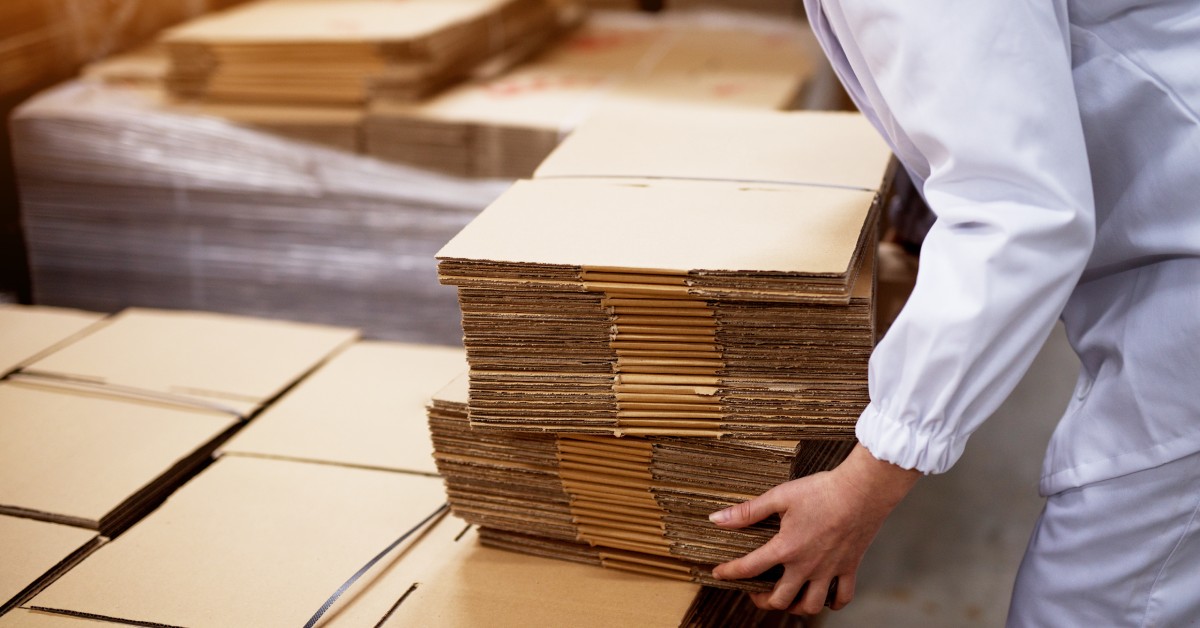
Efficient storage and staging of bulk cardboard box supplies are critical for businesses relying on packaging materials to protect their products. With cardboard playing a key role in shipping and storage operations, ensuring its proper care can save costs, enhance operational efficiency, and prevent damage. Learn the best practices to store and stage bulk cardboard boxes effectively while maintaining organization in your facility.
Understanding the Importance of Proper Storage
Storing cardboard boxes improperly can lead to serious drawbacks for businesses, from damaged inventory to operational inefficiencies. Cardboard is highly susceptible to environmental factors such as moisture and excessive heat, which can weaken its structure and compromise its functionality. Left unprotected, boxes may lose their durability, creating costly setbacks for packaging and shipping. Proper storage conditions not only preserve the structural integrity of boxes but also boost employee productivity, as they won’t waste time dealing with disorganized supplies.
When your facility maintains organized and appropriate storage, it reduces the risks of delays and accidents. Employees can access materials faster, and you can streamline workflows and minimize unnecessary replacements for damaged boxes. Businesses can avoid financial losses and time-consuming disruptions with simple, effective preventative measures dedicated to storage.

Key Factors To Consider When Storing Bulk Cardboard Boxes
The conditions where cardboard boxes are stored significantly impact their longevity and usability; one essential consideration is keeping the storage area clean, dry, and well-ventilated. Cardboard absorbs moisture easily, which can weaken its fibers and make boxes prone to collapsing. High humidity levels must be avoided by either placing storage areas in dry locations or utilizing dehumidifiers to control the environment.
Temperature is another factor that requires attention. Storing boxes in temperature-controlled environments prevents warping or other changes caused by excessive heat or cold. You should also avoid placing boxes in direct sunlight, as it can deteriorate the cardboard’s surface and lead to discoloration or brittleness.
Boxes should be carefully stacked to prevent excessive pressure, which could deform them. Organizing boxes by size and purpose can further enhance accessibility and prevent damages caused by disorganized piles. Strong, sturdy shelving systems or pallets help maximize vertical storage space while reducing risks of crushing or collapse.
Efficient Staging for Optimal Performance
Once you properly handle storage, staging cardboard boxes for operational use is the next fundamental step. Staging refers to preparing boxes for immediate access and use during production or shipping workflows. Improper staging can significantly slow down packing processes, particularly in high-volume industries where time is critical.
Strategically design your staging area to minimize the distance between box storage and where packing or assembly occurs. Staging zones should be located in close proximity to workstations to reduce time spent retrieving supplies. A systematic labeling or inventory system ensures that employees can quickly find the exact type and size of boxes they need without confusion.
Rotation of stock is another key practice in staging. By implementing the “first in, first out” (FIFO) method, businesses can ensure older boxes are used before newer shipments, preventing unnecessary waste due to aging or environmental degradation of materials over time.
Preventing Common Problems in Cardboard Box Maintenance
Despite best efforts, improper storage and staging practices can introduce problems that affect efficiency and quality. Boxes exposed to water or humidity may develop mold or foul odors, making them unsuitable for packaging. To prevent this, consider investing in waterproof covers or storage bins for added protection.
Pests, such as rodents and insects, also pose a potential threat when storing cardboard boxes. These pests are attracted to cardboard for nesting or feeding, which could jeopardize the cleanliness and safety of your supplies. Regular pest control measures and airtight storage can help mitigate this risk.
Overloading shelving units or pallets with heavy stacks of boxes is another common issue that can lead to safety hazards and reduce the structural integrity of your storage system. Ensuring weight limits are respected, and distributing heavier loads evenly, maintains safe and organized storage spaces.
Benefits of Proper Organization
Organizing bulk cardboard box supplies provides long-term benefits for businesses of all sizes. When your cardboard supplies are stored and staged efficiently, labor costs are reduced as workers spend less time searching for what they need. This leads to smoother workflows, higher packing speeds, and better overall productivity.
Maintaining cardboard in optimal condition ensures your products and brand image are protected. Delivering packages in sturdy and undamaged boxes builds customer trust, while damaged packaging creates poor impressions even before the product is unboxed.
Proper storage and staging also help reduce waste, ensuring that your business minimizes unnecessary expenditures on replacing damaged or degraded packaging materials. These practices highlight your commitment to cost-efficiency and sustainability, both of which can serve as selling points for your organization.
Investing in the Right Tools and Strategies
To achieve and sustain effective storage and staging, investing in the right tools and strategies is essential. Adjustable shelving units, racks, and pallets offer scalable solutions for organizing supplies in warehouses of any size. Bins or covers designed specifically for protecting cardboard from environmental factors like moisture are equally important.
For larger facilities, digital inventory systems or warehouse management software can provide an additional layer of efficiency. These systems enable easy tracking of box quantities, locations, and rotation schedules, eliminating guesswork and improving forecasting accuracy. Training your workforce to follow established protocols for storing and staging will further solidify good practices and promote an efficient working environment.

Store Your Boxes Efficiently
The proper storage and staging of bulk cardboard box supplies go a long way in optimizing your operations. By understanding the environmental needs of cardboard, implementing organization practices such as intentional stacking and FIFO rotation, and investing in necessary tools and training, businesses can avoid common issues like damaged boxes, wasted time, or safety risks. Maintaining high standards in this essential area ensures your packaging materials are ready when needed, protecting not only the products they contain but also your bottom line.
Many businesses require cardboard boxes in bulk to facilitate their daily operations. If your company is in need of boxes in large quantities, United Container can provide you with the materials you need to keep your workflow going. If you have any questions about the boxes we have available, don’t hesitate to contact us for further information.
Posted by