

Bulk packaging performance comes down to more than just box size. Strength, stacking capability, and floor load rating all determine whether your operation runs smoothly or risks product damage and wasted costs. Bulk box tier configurations by floor load rating is a critical concept for businesses moving high volumes of goods, especially in industrial and retail supply chains.
Understanding how tier configurations align with floor load ratings allows companies to maximize storage space, maintain safety standards, and protect inventory throughout transit and warehousing. For organizations operating at scale, these decisions directly impact operational efficiency and bottom-line performance.
What Floor Load Rating Means in Bulk Packaging
Floor load rating refers to the maximum weight a bulk box can safely support when stacked. This rating is influenced by the material strength, wall construction, and overall design of the box. In high-volume environments, ignoring this factor leads to crushed packaging, compromised products, and costly disruptions.
For businesses handling large shipments, selecting the correct floor load rating ensures that stacked boxes maintain their structural integrity over time. Warehouses often stack bulk boxes multiple tiers high, making it essential that each unit can support the cumulative weight placed on it.
Bulk boxes used in industrial environments are engineered with specific compression strength levels. These ratings determine how many boxes can be stacked vertically without failure. When aligned correctly with your storage and transportation strategy, floor load ratings help create a stable and efficient system.
Understanding Tier Configurations in Bulk Storage
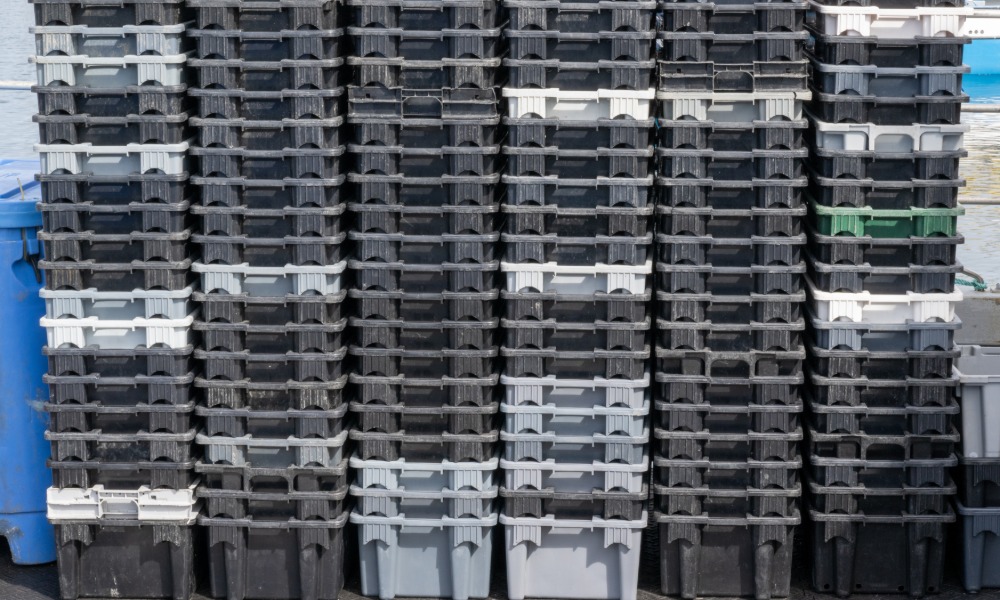
Tier configuration refers to how many boxes are stacked vertically in a storage or shipping setup. The number of tiers directly correlates with the floor load rating of each box. A mismatch between these factors can result in structural collapse or underutilized space.
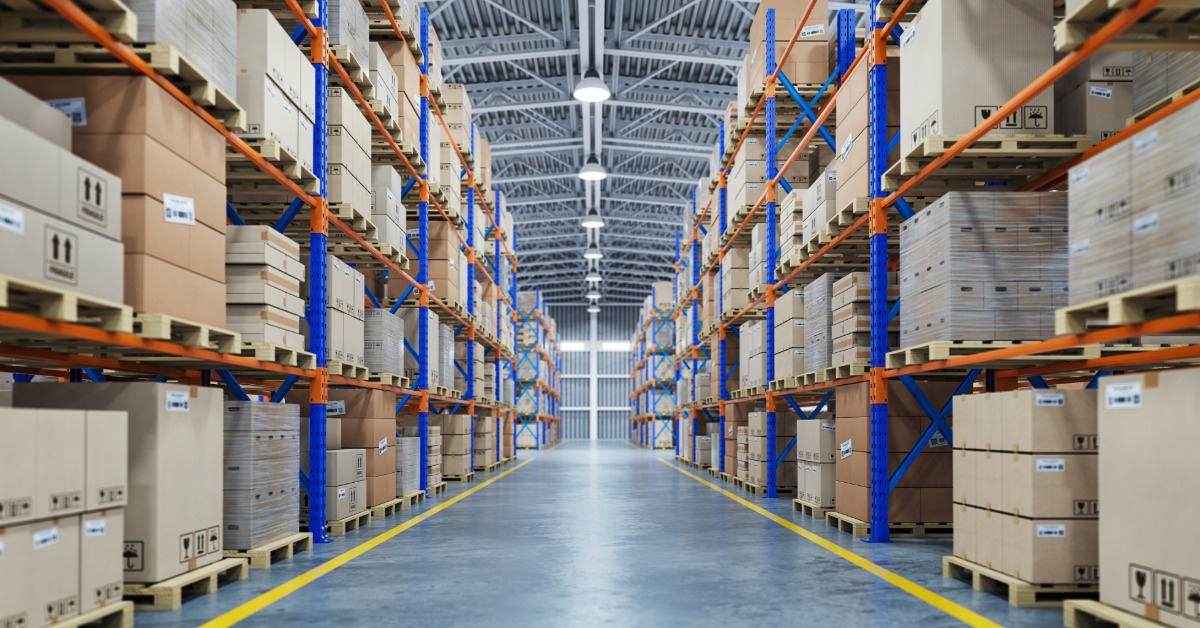
In a warehouse setting, optimizing tier configurations allows businesses to increase storage density without compromising safety. For example, a box with a higher load rating can support more tiers, reducing the need for additional floor space. This becomes especially valuable in facilities where space is limited and demand is high.
Tier configurations also influence handling efficiency. Properly stacked boxes are easier to move, reduce the risk of accidents, and improve workflow consistency. Companies that prioritize correct stacking strategies often see measurable improvements in productivity.

Matching Box Strength to Operational Needs
The right configuration depends on the weight of the contents and environmental conditions. Moisture, temperature, and handling frequency all play a role in determining the appropriate box strength.
For heavier products, higher floor load ratings are essential. These boxes are designed with reinforced walls and stronger materials to handle increased pressure. Lighter goods may not require the same level of strength, but proper configuration is still necessary to avoid instability.
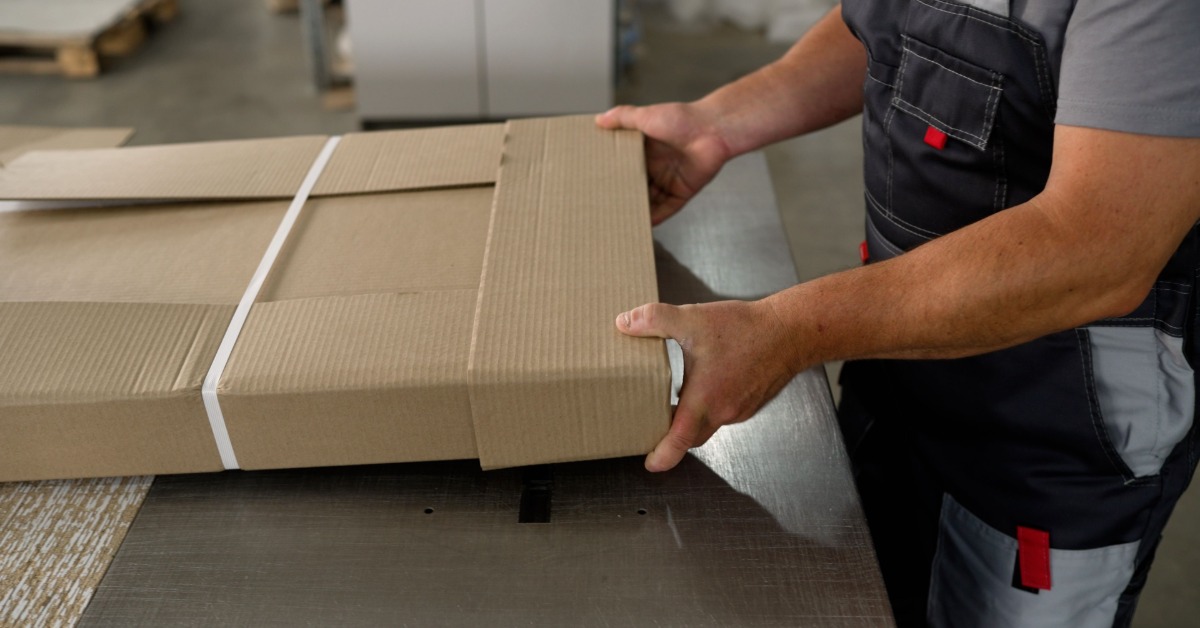
Businesses that rely on industrial cardboard boxes benefit from flexibility in design and cost efficiency. These boxes can be tailored to meet specific load requirements while maintaining durability. Choosing the right balance between strength and cost ensures optimal performance without overspending on unnecessary materials.
The Impact of Palletization on Tier Configurations
Palletization plays a major role in how bulk boxes are stacked and transported. The type of pallet used, along with its condition, affects the overall stability of the load. Strong pallets support higher tier configurations, while weaker pallets limit stacking potential.
When bulk boxes are placed on pallets, weight distribution becomes critical. Uneven loads can lead to tipping or collapsing stacks. Ensuring that boxes are aligned properly and evenly loaded helps maintain structural integrity throughout handling and transit.
Pallet size and design also influence how many boxes can be stacked efficiently. Standardizing pallet and box dimensions allow for better space utilization and more predictable stacking patterns. This consistency simplifies logistics and reduces the risk of damage.
Transportation Considerations for Bulk Box Stacking
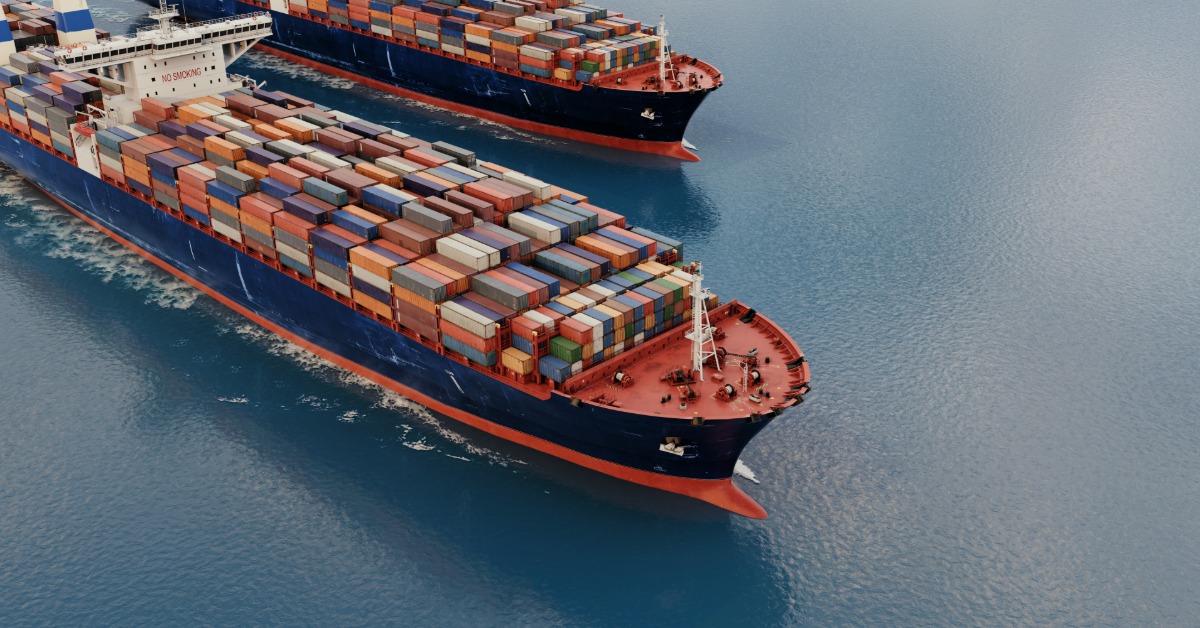
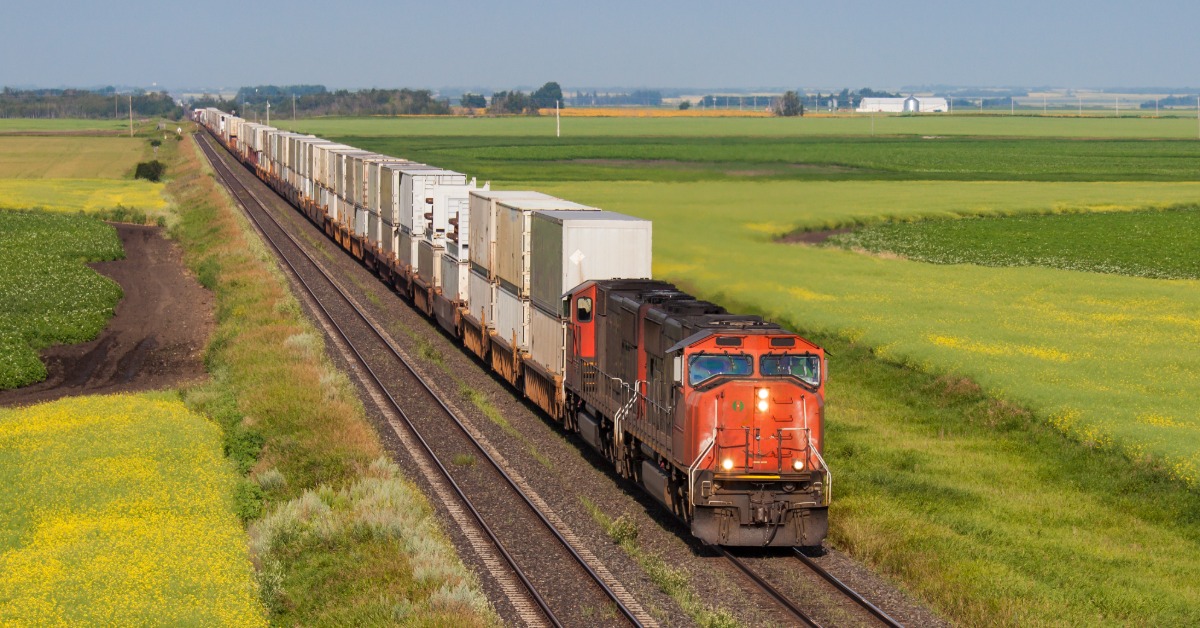
Shipping bulk boxes requires careful attention to stacking configurations. During transit, boxes are subjected to movement, vibration, and shifting loads. Proper tier configurations ensure that boxes remain stable and intact throughout the journey.
Floor load ratings must account for these dynamic conditions. A box that performs well in a static warehouse environment may require additional strength for transportation. Reinforced designs help prevent deformation and maintain product protection.
Transportation efficiency also depends on maximizing trailer space. Higher tier configurations allow for more products to be shipped in a single load, reducing transportation costs. However, this must be balanced with safety considerations to avoid overloading and potential damage.
Safety and Compliance in Industrial Environments
Safety is a critical concern in any industrial setting. Improper stacking of bulk boxes can lead to accidents, injuries, and regulatory issues. Ensuring that tier configurations align with floor load ratings helps maintain a safe working environment.
Compliance with industry standards often requires adherence to specific load and stacking guidelines. Businesses that prioritize proper configurations are better positioned to meet these requirements and avoid potential penalties.
Training employees on correct stacking practices is equally important. Clear guidelines and consistent implementation reduce the risk of errors and improve overall safety. A well-structured approach to bulk box usage supports both operational efficiency and workplace safety.
Selecting the Right Supplier for Bulk Boxes
The quality of bulk boxes plays a significant role in their performance. Working with a reliable supplier ensures that boxes meet required specifications and deliver consistent results. Suppliers with experience in industrial packaging can provide guidance on selecting the right configurations.
A strong supplier relationship also offers flexibility. Businesses can adjust their packaging strategy as needs change, ensuring that they always have the right solution in place. This adaptability is essential in dynamic industries where demand can shift quickly.
United Container Co has built its reputation on providing high-volume packaging solutions tailored to business needs. With a focus on efficiency, cost savings, and fast delivery, the company supports organizations looking to optimize their packaging operations.

Reframing the Strategy for Long-Term Success
Successfully managing bulk packaging requires a clear understanding of how stacking strength and load capacity interact. Bulk box stacking strategies based on load-bearing capacity provide a framework for improving efficiency, reducing costs, and maintaining product integrity.
Businesses that invest in proper configurations gain a competitive advantage. They can move products more efficiently, reduce waste, and create a safer working environment. Over time, these benefits contribute to stronger operational performance and increased profitability.
Build a Stronger Packaging System
Bulk box tier configurations are not just a technical detail. They are a foundational element of efficient supply chain management. By aligning floor load ratings with tier configurations, businesses can create a packaging system that supports growth and reliability.
Organizations that take a strategic approach to bulk packaging see measurable improvements in storage, transportation, and cost efficiency. The right configuration ensures that every box performs as expected, protecting products and supporting smooth operations.
If your business is ready to improve packaging performance, now is the time to evaluate your bulk box strategy. Partnering with an experienced supplier can help you implement solutions that deliver immediate and long-term value.