


The increasing awareness about environmental issues and sustainability has significantly impacted consumer behavior across industries, including agriculture and food storage. Bulk produce storage, a vital aspect of the farm-to-table pipeline, is no exception. The demand for eco-friendly solutions in this domain has grown rapidly as businesses strive to meet consumer expectations and reduce environmental impact. This shift marks an important step forward in creating a sustainable food supply chain. Take a look at your own production workflow and determine where and how to best incorporate sustainable practices. The rise of eco-friendly demand in bulk produce storage is something you must consider to remain competitive in a developing industry.
Understanding Bulk Produce Storage and Its Environmental Impact
Bulk produce storage involves the handling, preservation, and organization of large quantities of fruits, vegetables, and other perishables. While traditional methods have hinged on efficiency and cost-saving measures, they often carry a heavy environmental toll.
Conventional storage solutions rely on plastic packaging, energy-intensive refrigeration units, and non-biodegradable materials that contribute to pollution and waste. The drive for eco-friendly alternatives is part of a larger effort to decrease greenhouse gas emissions, reduce plastic usage, and adopt waste-conscious practices.
Why Sustainability Matters in Produce Storage
Sustainability in produce storage is not just a trend; it is a necessity. Agriculture is intimately tied to environmental health, and unsustainable practices risk depleting vital resources such as soil and water. For producers and distributors, adopting greener methods allows for improved energy efficiency, reduced waste, and alignment with consumer values.
The Environmental Protection Agency (EPA) estimates that millions of tons of food waste occur annually, highlighting the need for innovative solutions that both lengthen the shelf life of fresh produce and minimize loss.
Reducing carbon footprints in the agricultural supply chain is also essential in mitigating climate change effects. Eco-friendly bulk storage solutions that rely on renewable energy sources or minimize refrigeration needs address these challenges while providing long-term economic benefits.
What’s Driving the Rise in Eco-Friendly Demand?
Several factors are fueling the rise in demand for eco-conscious bulk produce storage methods. One of the primary drivers is shifting consumer preferences, with sustainability becoming a key consideration in purchasing decisions. People are more aware of the environmental consequences of their choices and increasingly select brands that demonstrate a strong commitment to green practices. Transparency in supply chains has also contributed to this trend, as customers demand accountability at every step of production and distribution.
Legislation is another powerful catalyst, as governments and policymakers around the world are imposing stricter environmental regulations on industries, including agriculture and packaging. Incentivizing the use of renewable energy, banning single-use plastics, and promoting waste-reduction frameworks have all pushed organizations to rethink their strategies and invest in environmentally friendly solutions.
Innovations in Eco-Friendly Produce Storage
Eco-friendly innovations in bulk produce storage have emerged as game-changers for the industry. One prominent trend is the adoption of biodegradable and compostable packaging that significantly reduces the reliance on plastic. Materials such as plant-based films and fully recyclable containers provide sustainable alternatives without diminishing functionality or produce freshness.
Energy-efficient refrigeration systems are another crucial advancement. Modern cooling units harness renewable energy sources like solar or wind power, cutting down the carbon emissions typically associated with large-scale cold storage facilities. Innovations in temperature regulation, such as dynamic controlled-atmosphere storage, help maintain optimal conditions for produce using less energy.
Technology plays an essential role in improving bulk storage sustainability as well. Smart sensors, artificial intelligence, and IoT-enabled systems streamline storage logistics, reduce spoilage, and optimize inventory management. These digital solutions help address inefficiencies while ensuring compliance with eco-friendly standards.
Benefits for Businesses and the Environment
The advantages of transitioning to eco-friendly produce storage go beyond environmental conservation. Businesses that adopt sustainable practices often enjoy cost savings over time. For example, reduced energy consumption and longer-lasting storage equipment translate to lower operational costs. At the same time, reducing food waste enhances profitability by ensuring more produce reaches consumers.
From a branding perspective, eco-conscious businesses benefit from increased consumer loyalty and stronger reputations. Modern customers are drawn to companies with values aligned with sustainability, turning environmentally friendly practices into a competitive edge. Highlighting green efforts in marketing strategies can also attract environmentally minded investors, further aiding company growth.
Environmental benefits include conserving resources, reducing landfill contributions, and mitigating climate change effects. By incorporating circular economic principles, such as redesigning systems to eliminate waste, producers and suppliers can minimize their impact on the planet, ensuring a healthier ecosystem for future generations.
Challenges in Implementing Sustainable Storage Solutions
Despite its many advantages, the shift to eco-friendly bulk produce storage presents several challenges. Initial costs of adopting new systems and technologies can deter smaller businesses with limited budgets. Upgrading refrigeration units, investing in biodegradable packaging, or implementing IoT technologies often requires considerable capital expenditure, which may take time to recoup.
The availability of eco-friendly materials and systems varies globally. Developing countries or regions with limited access to green technology may struggle to match the pace of innovation. This gap creates disparities within the supply chain, making it harder for the worldwide adoption of uniform sustainable practices.
Resistance to change can also hamper progress. Adjusting to new methods and technologies requires education, training, and collaboration across stakeholders. Without proper support from governments and industry leaders, adoption rates may falter, slowing the momentum of the eco-friendly movement.
The Future of Eco-Friendly Bulk Produce Storage
Looking ahead, the demand for sustainable storage solutions is poised to grow stronger. Companies that invest in research and development for greener technologies will likely lead the charge, setting an example for the rest of the industry. Collaboration between governments, businesses, and environmental organizations will also play a pivotal role in driving widespread adoption.
The future lies in integrating even more innovative practices, such as vertical farming that reduces transportation needs and climate-controlled facilities powered entirely by renewable energy. Stronger incentives and subsidies for sustainable practices could also encourage smaller businesses to overcome financial barriers and join the eco-friendly movement.
Improve Your Practices
The rise of eco-friendly demand in bulk produce storage marks an important shift toward sustainability in the agricultural supply chain. By adopting greener solutions, businesses not only address urgent environmental concerns but also position themselves as leaders in an evolving market. Although challenges remain, the increasing availability of innovative technologies and the growing awareness of sustainability’s importance set the stage for a future where bulk produce storage is both efficient and environmentally responsible.
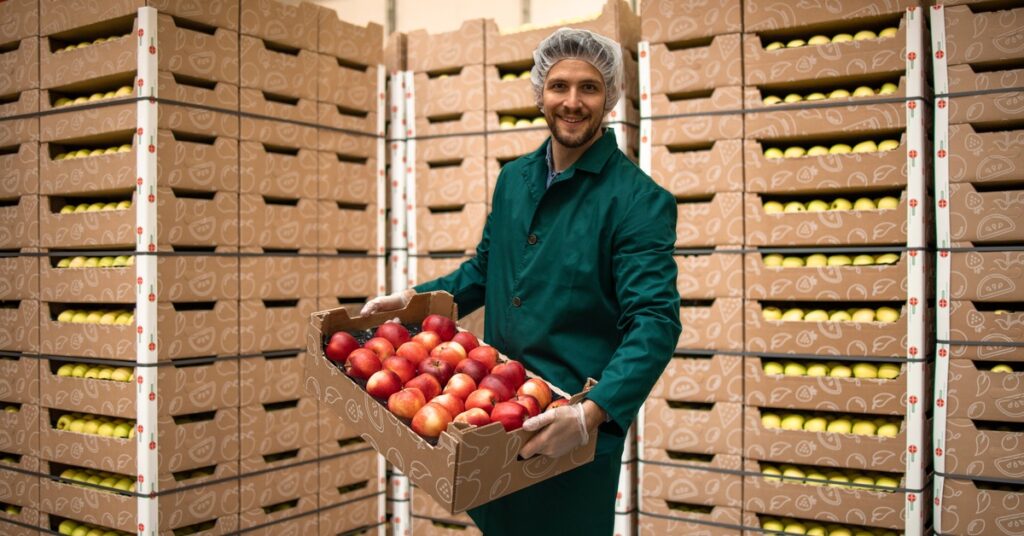
If your company requires cardboard produce boxes for wholesale to meet your sustainability goals, United Container is here to provide you with the storage options you need. We’re happy to help you improve your workflows and take your company to the next level when it comes to growth and eco-friendly solutions.
Posted by