

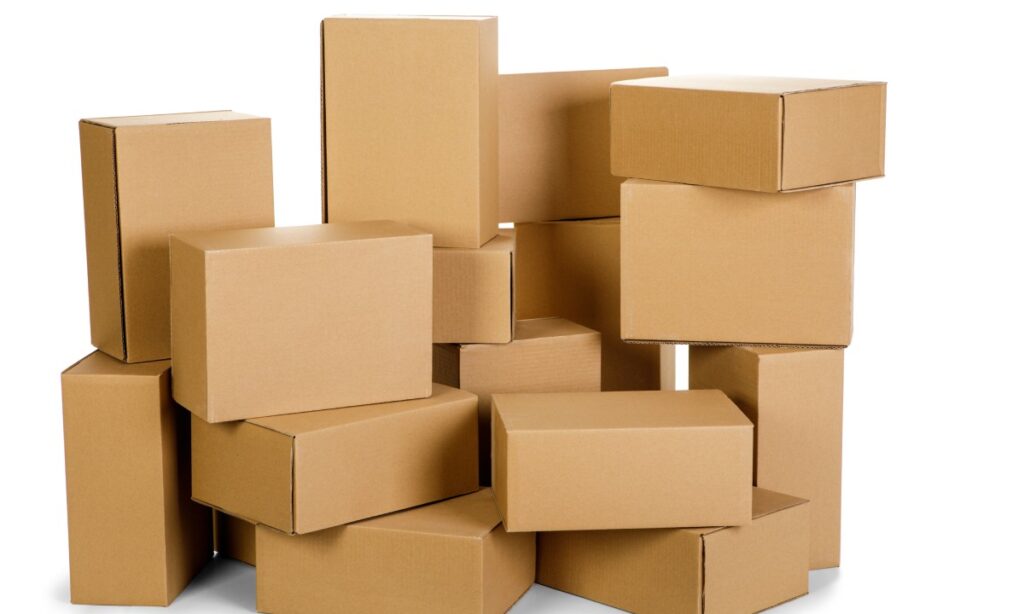
Cardboard is an unassuming yet indispensable material that plays a significant role in our daily lives. While it’s often used for packaging, crafting, and storage, cardboard often gets overlooked despite its versatility and sustainability. Beyond its practical uses, there’s so much more to this simple material than meets the eye. Let’s explore some interesting facts about cardboard you may not have known.
Cardboard Has Been Around for Centuries
Contrary to popular belief, cardboard isn’t a modern invention. Its roots can be traced all the way back to the early 17th century in China, where early forms of cardboard were used to package items. However, process advancements over time made cardboard much more durable and adaptable.
The corrugated cardboard that we see today was invented in the 19th century by Englishmen Edward Allen and Edward Healy as a solution to protect delicate items in transit. The evolution of cardboard has transformed it from a rudimentary material into a key player in industrial and commercial sectors.
It Revolutionized E-Commerce and Consumer Goods
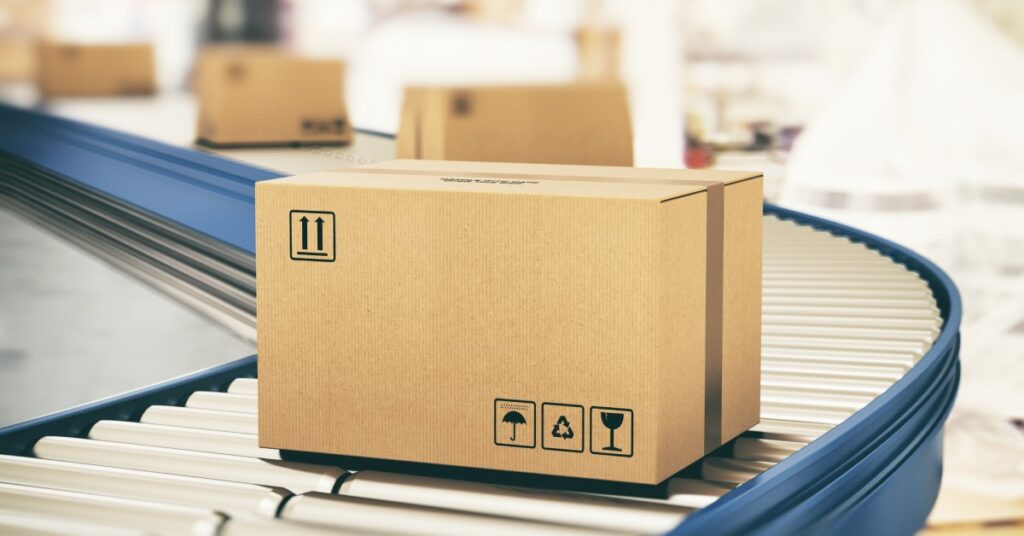
Imagine a world without cardboard; e-commerce as we know it would not exist. Cardboard boxes are the backbone of the global online retail industry, helping companies like Amazon, eBay, and countless others fulfill millions of orders efficiently.
Without this lightweight, durable, and cost-effective material, the smooth delivery of goods would be a logistical nightmare. Cardboard packaging ensures that items arrive safely to consumers while keeping shipping costs low. It’s a driving force behind the convenience we enjoy today when ordering products online.
It’s Surprisingly Strong for Its Weight
One of the things that makes cardboard extraordinary is its strength-to-weight ratio, and corrugated cardboard, in particular, is a marvel of engineering. The fluted layer between two flat panels of cardboard adds structural integrity, making it able to bear significant weight despite being lightweight.
This property makes it an excellent choice for packaging fragile items, food products, and even bulky merchandise. The design of corrugated cardboard has inspired the creation of other materials that prioritize strength, efficiency, and sustainability.
Cardboard Plays a Key Role in Recycling
Cardboard is one of the most recyclable materials on the planet, and its contribution to sustainability cannot be overstated. Each year, millions of tons of cardboard are recycled, significantly reducing the demand for virgin raw materials.
Recycling cardboard saves water, energy, and trees, which directly benefits the environment. Did you know that it only takes about two weeks to transform old cardboard into new products? This rapid turnaround further highlights its importance in minimizing waste in landfills and promoting a circular economy.
Cardboard Has Creative Applications
Beyond its conventional uses in packaging and shipping, cardboard is a favorite material among artists, architects, and creatives worldwide. Its flexibility and ease of use make it an ideal choice for sculptures, furniture, and temporary structures.
Cardboard furniture is a popular trend for those seeking functional, eco-friendly, and stylish designs. Architects have even constructed pop-up buildings and shelters using corrugated cardboard due to its portability, affordability, and strength under certain conditions.
It’s Cost-Effective Yet Durable
One of the reasons for cardboard’s wide use is its low manufacturing cost. Producing cardboard requires minimal advanced technology, which makes it affordable for businesses and individuals alike. Despite being cost-effective, cardboard does not compromise on durability.
It can withstand wear and tear, protect items from environmental factors, and remain intact under varied conditions. This blend of affordability and durability has allowed cardboard to solidify its place as a leading packaging solution worldwide.
It Was Once Used as a Food Container
Believe it or not, at one point in history, cardboard found its purpose in food packaging solutions long before the age of plastic containers. One memorable example of this was the creation of cereal boxes in the late 1800s.
The Kellogg brothers, pioneers in the marketing of breakfast cereals, were among the first to use cardboard packaging to keep their food products fresh and convenient to distribute. Today, cardboard continues to be commonly used in food packaging, from pizza boxes to cartons for eggs and beverages.
Cardboard Has Been Sent to Space
Another fascinating fact is that cardboard has been used in surprising sectors, including space exploration. Its insulating properties have made it useful in experimental projects for outer space. Cardboard’s heat-resistant and energy-absorbing capabilities are leveraged in innovative ways by engineers to test components and equipment.
While it might not be a material that’s directly used in spacecraft, its characteristics make it an invaluable tool during development phases. It’s incredible to think that something so simple has contributed to cutting-edge technology.
Its Endurance Might Surprise You
While cardboard is commonly associated with short-term use, it can actually last for years if stored properly, away from moisture and direct sunlight. Many people repurpose old cardboard boxes for storage, crafting, or organizational purposes, sometimes keeping them for decades.
The longevity of cardboard showcases just how durable the material can be, even when it’s not treated with special coatings or chemicals. With proper care, cardboard remains a highly reliable material for extended use.
Innovations Are Expanding Its Capabilities
Even though cardboard is deeply rooted in tradition, advancements in technology are continuing to improve its capabilities. Modern scientists and engineers are working on increasing cardboard’s water resistance, enhancing its sturdiness, and even integrating smart technologies to include RFID (radio frequency identification) in packaging.
These developments will help businesses adopt more sustainable practices while maintaining the efficiency that cardboard provides. The future of cardboard is sure to include exciting innovations, blending eco-consciousness with state-of-the-art technology.
Cardboard Made History in Art
Cardboard is not only a functional material but also a medium embraced by world-famous artists. Pablo Picasso was one of the first to incorporate cardboard into his artwork, particularly during the cubism movement.
His use of this material added depth and texture to his creations, breaking traditional boundaries and expanding the possibilities for artistic expression. Today, galleries and exhibitions worldwide display works that incorporate cardboard in creative ways, proving that this humble material can transcend its practical roots.
It’s the Ultimate Example of Sustainability in Motion
Cardboard’s lifecycle embodies the principles of sustainability. From its beginnings as a paper product to its role as a recycled material that can be reused multiple times, cardboard minimizes environmental impact at every stage.
Its widespread use has also replaced less sustainable alternatives like plastic in many industries. By using biodegradable and easily recyclable cardboard, companies and individuals alike contribute to building a greener, more sustainable future.
A Material That’s Here To Stay
Despite rapid advancements in materials science, cardboard remains a staple of modern life. Its adaptability, affordability, and renewable nature ensure that it will continue to be relevant for decades to come. Whether it’s for packaging, art, construction, or everyday activities, cardboard proves time and time again to be a remarkable material that deserves recognition.
From its humble origins to its vast array of modern applications, there are many fascinating facts about cardboard that many may not give it credit for. Its environmental benefits, role in innovation, and surprising versatility demonstrate its resilience and utility. The next time you unbox a package or use a cardboard container, take a moment to appreciate the hidden complexities and history of this extraordinary material. Cardboard isn’t just a simple product; it’s an integral part of our lives, quietly supporting countless industries and paving the way for a sustainable future.
If you or your company requires industrial cardboard boxes for commercial use, United Container is happy to provide you with the best cardboard boxes in the industry. Contact us today for more information.
Posted by