

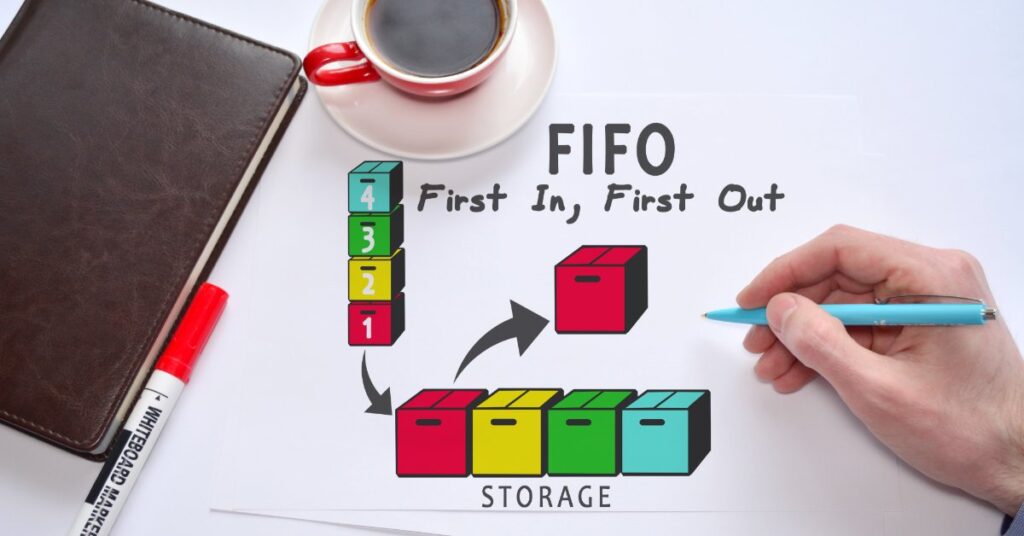
Food storage and distribution facilities rely on organization, consistency, and product rotation to maintain quality standards. One of the most effective inventory management methods used in industrial food handling is First In, First Out, commonly known as FIFO. This method ensures older inventory is used before newer inventory, reducing spoilage, waste, and compliance risks.
When operations scale across warehouses and retail distribution centers, storage systems must support FIFO procedures without slowing down productivity. That is where food tote FIFO tray stacking configurations become important. Proper stacking layouts help facilities maintain accurate rotation schedules while maximizing floor space and reducing handling errors.
Understanding FIFO Tray Stacking Systems
FIFO tray stacking systems are designed to support continuous inventory movement. In these systems, products are loaded from one side of the storage area and retrieved from another side. This creates a natural rotation process that prevents older inventory from remaining in storage too long.
Food totes used in these environments must support stable stacking patterns that allow employees and equipment operators to safely move inventory. Stack height, weight distribution, tray alignment, and aisle accessibility all influence how successful a FIFO system becomes in a warehouse setting.
Facilities that rely on poorly designed stacking arrangements often encounter product compression, unstable pallet loads, and slower picking times. Proper tray stacking configurations eliminate many of these issues by creating predictable storage structures that support both safety and efficiency.
How Tray Stacking Configurations Improve Warehouse Efficiency
Well-designed tray stacking configurations help warehouses optimize every stage of inventory movement. Workers spend less time locating products because inventory flows in a predictable sequence. Forklift operators can access loads more efficiently, reducing congestion in high-traffic areas.
Vertical stacking systems also improve warehouse density. Facilities can store more product within the same footprint without sacrificing accessibility. This is especially important for businesses operating in regional distribution centers where storage costs continue to rise.
Stacking configurations must account for product weight and tote dimensions. Heavy loads placed unevenly create instability that can damage packaging or increase workplace hazards. Proper tray alignment distributes weight consistently and reduces stress on lower containers.
Selecting the Right Food Totes for FIFO Operations
The effectiveness of a FIFO stacking system depends heavily on the containers used throughout the process. Durable containers help facilities maintain consistent stacking patterns without collapsing under repeated use.
Many industrial operations choose reusable plastic containers or reinforced corrugated options depending on storage conditions and transportation needs. The right tote design supports airflow and easy handling while protecting food products from contamination.
Operations handling frozen or refrigerated goods often prioritize moisture-resistant materials that maintain structural integrity in changing temperatures. Dry storage facilities may focus more heavily on stack compression strength and load capacity.
Businesses looking to reduce operational costs frequently invest in reusable food totes that support repeated stacking and transportation cycles. These containers help reduce waste while supporting consistent FIFO management throughout the facility.
Common FIFO Tray Stacking Configurations
Different warehouse environments require different tray stacking approaches. The best configuration depends on product type, turnover rate, storage space, and equipment access.
Straight lane FIFO systems are commonly used in high-volume operations. Products enter from one side and move toward retrieval zones through gravity-fed or manually rotated systems. These configurations work well for packaged foods and fast-moving inventory.
Block stacking configurations allow facilities to maximize floor space while maintaining designated rotation zones. Products are grouped by production date, allowing teams to identify older inventory quickly. This method works well in warehouses with limited racking infrastructure.
Rack-supported FIFO systems provide additional stability for heavier products. These configurations improve accessibility and reduce pressure on lower totes. Facilities handling bulk ingredients or dense packaged goods often benefit from reinforced rack systems.
Preventing Product Damage Through Proper Stacking
Improper stacking remains one of the leading causes of product damage in industrial food storage operations. Uneven weight distribution can crush lower containers, damage packaging, and create contamination risks.
Facilities should establish clear stacking height limits based on tote strength and product weight. Exceeding load capacity compromises stability and increases workplace safety hazards. Consistent stacking procedures help reduce shifting during transportation and warehouse movement.
Tray alignment also plays a critical role in protecting products. Misaligned stacks create pressure points that weaken containers over time. Standardized placement procedures improve stack integrity while supporting easier forklift handling.
Warehouse managers should regularly inspect stacking conditions to identify damaged totes, leaning stacks, or overloaded pallets. Preventive inspections reduce accidents and improve long-term operational efficiency.
FIFO Systems and Food Safety Compliance
Food safety regulations require facilities to maintain clear inventory tracking and proper stock rotation procedures. FIFO systems support compliance efforts by making product movement easier to document and verify.
Organized tray stacking configurations reduce the likelihood of expired inventory remaining in storage. Employees can quickly identify older stock and prioritize it during order fulfillment or production runs.
Cleanliness also improves when storage systems remain organized. Cluttered warehouse layouts create obstacles for sanitation teams and increase contamination risks. FIFO configurations help maintain cleaner aisles and more accessible storage areas.
Facilities operating under FDA, USDA, or third-party food safety audits benefit from structured storage systems that demonstrate consistent inventory management practices. Clear rotation procedures strengthen accountability throughout the supply chain.
Businesses serving retail, grocery, and food manufacturing sectors often view FIFO systems as essential components of broader quality assurance programs.

Improving Workflow With Strategic Warehouse Layouts
FIFO stacking configurations work best when integrated into an overall warehouse design strategy. Facilities should evaluate receiving docks, picking zones, and shipping lanes to create uninterrupted inventory flow.
Wide access aisles improve forklift movement and reduce bottlenecks during peak production periods. Dedicated rotation zones help employees maintain consistent handling procedures without confusion.
Label visibility also improves workflow efficiency. Clearly marked inventory allows workers to identify product age, batch numbers, and destination information quickly. Barcode systems and warehouse management software further strengthen FIFO accuracy.
Businesses experiencing rapid growth often redesign storage layouts to accommodate increased inventory volume while maintaining efficient product rotation. Strategic layouts help operations scale without sacrificing safety or organization.
Facilities that invest in optimized warehouse flow frequently experience lower labor costs, faster fulfillment speeds, and fewer inventory errors.
Long-Term Benefits of FIFO Tray Stacking Configurations
Implementing FIFO tray stacking setups for food totes provides long-term operational advantages for industrial food storage facilities. Businesses improve inventory accuracy while reducing spoilage, product loss, and workplace inefficiencies.
Structured stacking systems also support scalability. As operations grow, standardized storage procedures make it easier to onboard employees, expand warehouse capacity, and maintain consistent product handling practices.
Cost savings become noticeable through reduced product waste, lower damage rates, and improved labor productivity. Facilities can move inventory more efficiently while maintaining compliance with food safety standards.
For companies handling large-scale food distribution, organized FIFO storage systems contribute directly to customer satisfaction. Products move through the supply chain faster and arrive in better condition, strengthening reliability across retail and manufacturing partnerships.
Industrial businesses that prioritize efficient stacking configurations position themselves for stronger operational performance and long-term growth in increasingly competitive markets.
Posted by