

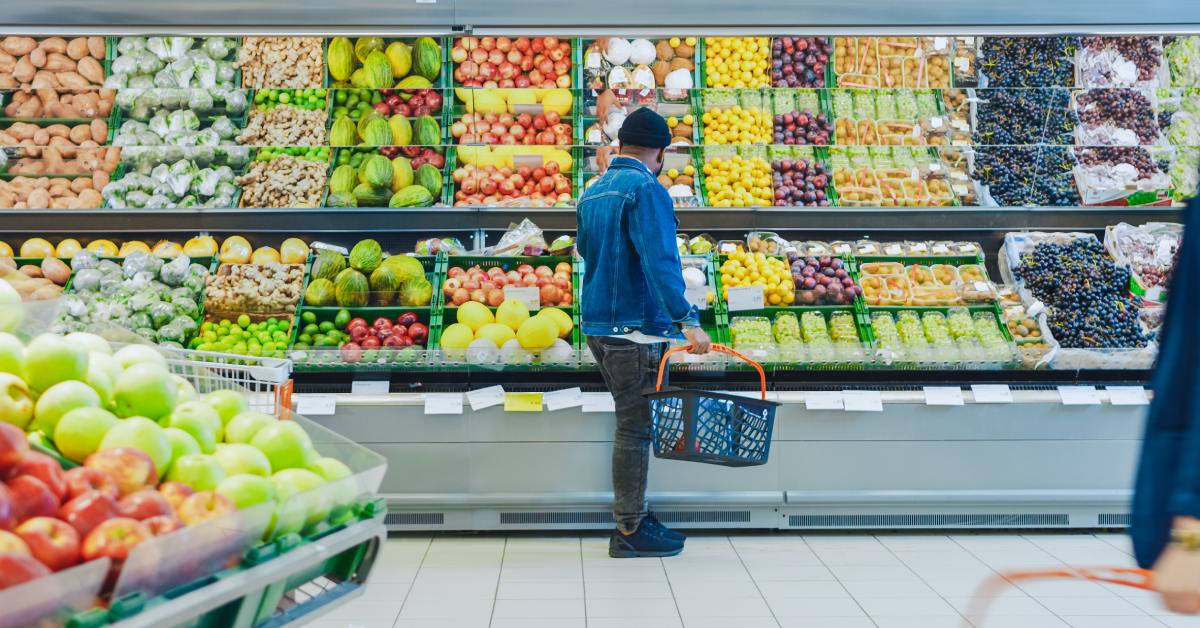
Food co-ops play a vital role in fostering healthy communities by making fresh and affordable produce available to their members. However, distributing bulk produce efficiently and sustainably can be an intricate process that requires thoughtful planning and well-organized systems. With proper strategies, food co-ops can streamline their operations, reduce waste, and ensure equitable access to high-quality produce for all members. If you find that you’re struggling to maintain your produce, then be aware of some tips for food co-ops to distribute bulk produce efficiently.
Understanding Member Needs and Preferences
The success of any food co-op begins with a deep understanding of its members’ needs, preferences, and values. Conducting regular surveys or holding community meetings can provide insights into the types of produce members use most frequently and what quantities are in demand. Some members may prefer staple items such as potatoes, onions, and carrots, while others might seek seasonal fruits and greens. Having a detailed understanding of these preferences allows co-ops to make informed purchasing decisions, minimizing overstock and reducing food waste.
Evaluating members’ capacity to store and use bulk produce should be considered. Not all members have the means to handle large quantities of perishable goods, so offering varied packaging options, such as quarter- or half-sized shares, can accommodate different needs. Creating a feedback loop where members can voice concerns or suggest improvements further strengthens the co-op’s ability to align its offerings with community demands.
Establishing Efficient Packing and Sorting Processes
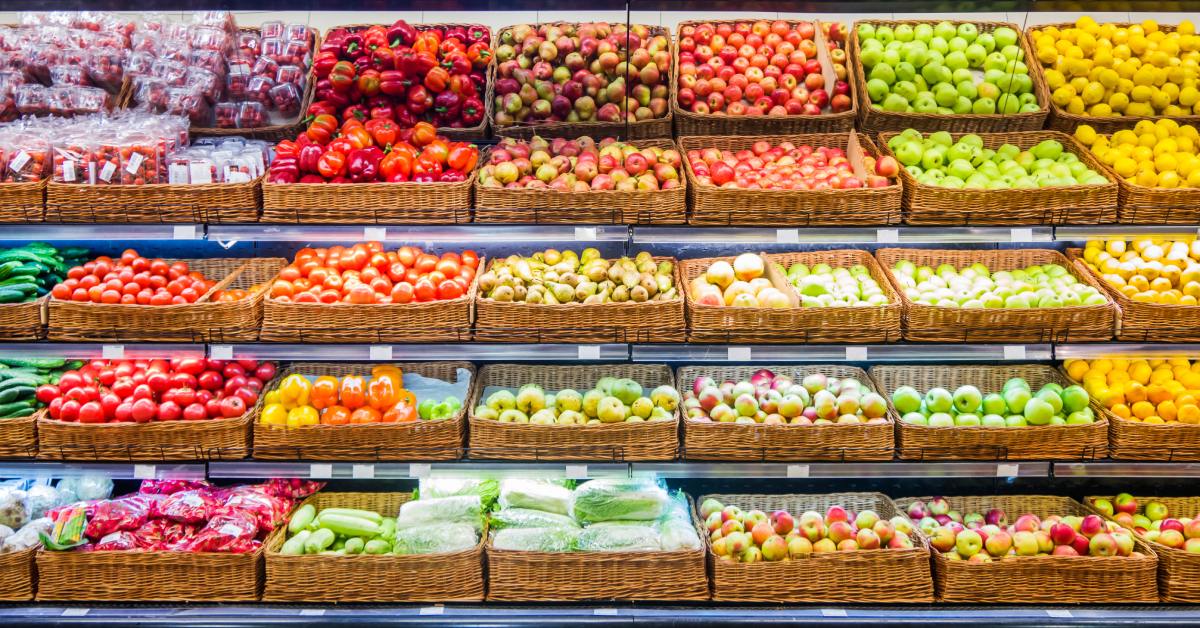
Handling bulk produce requires an organized and efficient system for sorting, packing, and distribution. Setting up a well-structured workspace is a crucial step in this process. Organizing the space with designated areas for unpacking bulk deliveries, inspecting produce quality, and re-packing into smaller portions can help streamline workflow and minimize disruption.
Carefully planned sorting processes can also be a game-changer. Assign dedicated team members or volunteers to inspect produce upon arrival, sorting out any damaged or spoiling items before they reach distribution. Using simple labeling systems for storage and packaging can help keep track of inventory and ensure that perishable items are distributed promptly. Investing in sturdy containers or compostable packaging options not only promotes sustainability but also ensures the produce remains safe and fresh during transportation to members.
Building Strong Relationships With Local Suppliers
A food co-op’s relationship with its suppliers significantly impacts the quality and consistency of its bulk produce distribution. Partnering with local farmers or regional suppliers can ensure access to fresh produce while supporting local agriculture and reducing the carbon footprint associated with longer supply chains. Open communication with suppliers allows co-ops to negotiate flexible terms for bulk purchasing, such as splitting larger orders or arranging delivery schedules that align with the co-op’s needs.
Frequent collaboration with farmers can also open up opportunities to coordinate seasonal harvests or rescue surplus produce that would otherwise go to waste. By establishing trust and mutual understanding, food co-ops and their suppliers can work together to create a reliable pipeline for sustainable and high-quality produce.
Educating Members About Bulk Produce Usage
One challenge that co-ops often face when distributing bulk produce is ensuring that members know how to store and use it effectively. Providing education and resources can empower members and reduce food waste. Hosting workshops on topics like meal planning, preserving produce, and understanding seasonality can be an engaging way to build knowledge and community spirit.
Another helpful strategy is sharing recipes and storage tips tailored to the current season’s bulk items. A monthly newsletter or an online forum where members can exchange recipes and advice provides a consistent flow of information, fostering a sense of collaboration. By equipping members with the knowledge to make the most of their bulk produce, co-ops can maximize the value of their offerings while inspiring healthier eating habits across the community.
Implementing a Fair Distribution Model
Equitability is at the heart of any successful food co-op. Establishing a fair distribution model ensures all members have access to the produce they need without creating unnecessary competition or resource scarcity. Consideration should be given to pricing structures that reflect sustainability and inclusivity. Some co-ops operate on sliding-scale membership fees or offer discounts to low-income families, ensuring that anyone who wants access to fresh, bulk produce can afford it.
Another equitable practice involves coordinating distribution schedules thoughtfully. Offering multiple pickup times throughout the week or providing home delivery services for members with mobility challenges can improve accessibility. Additionally, implementing reservation systems for high-demand items can alleviate rushes and ensure that everyone gets a fair share of the best-quality produce.
Reducing Waste Through Proactive Planning
Efficient bulk distribution is inherently tied to minimizing waste. Food co-ops can take proactive measures to reduce waste at every stage of the process, from supplier orders to member use. Establishing accurate inventory tracking and adopting predictive analytics can help co-ops avoid overstocking while still meeting demand. Partnering with composting organizations or developing in-house compost programs can also help manage vegetable trimmings and spoiled goods sustainably.
Creative solutions such as donating excess produce to local food banks or incorporating unsold items into prepared-food offerings for members can further reduce waste. Transparency about the co-op’s waste reduction efforts also builds trust within the community and encourages members to adopt similar habits.
Leveraging Technology for Better Management
Technology is an invaluable tool for food co-ops aiming to streamline bulk produce distribution. Investing in software solutions designed for co-op management can simplify inventory tracking, member communication, and sales transactions. Platforms that allow members to pre-order their shares or track availability in real-time add significant convenience while reducing logistical challenges.
Mobile apps or online member portals can serve as a hub for information sharing, event coordination, and feedback collection. Such tools not only enhance operational efficiency but also strengthen the sense of connection and engagement among members.
Cultivating a Community-Centered Mindset
Ultimately, a food co-op thrives when it fosters a strong sense of community. Bulk produce distribution is not just a logistical process; it’s an opportunity to build deeper relationships among members. Organizing collaborative events such as volunteer days, seasonal celebrations, or farm visits fosters a sense of shared ownership and pride in the co-op’s mission.
By prioritizing open communication and inclusivity, co-ops can ensure every member feels valued and heard. Creating committees or working groups focused on improving distribution practices can also empower members to take an active role in the co-op’s continued success. When everyone is encouraged to contribute, the co-op’s operations remain dynamic and rooted in collective effort.
Looking Toward the Future
The challenges and opportunities of bulk produce distribution for co-ops provide a unique learning experience. By applying strategies that prioritize efficiency, sustainability, and member engagement, co-ops can continue to provide valuable services to their communities. A forward-looking approach that embraces innovation and collaboration ensures that these organizations can grow and thrive while staying true to their mission of supporting accessible and equitable food systems.
United Container is here to provide food co-ops with the means necessary to properly store and distribute bulk produce items. We sell used gaylord boxes, allowing co-ops to efficiently store their produce items. If you have any questions about what we supply or how we can help your business, please reach out to us for more information.
Posted by