

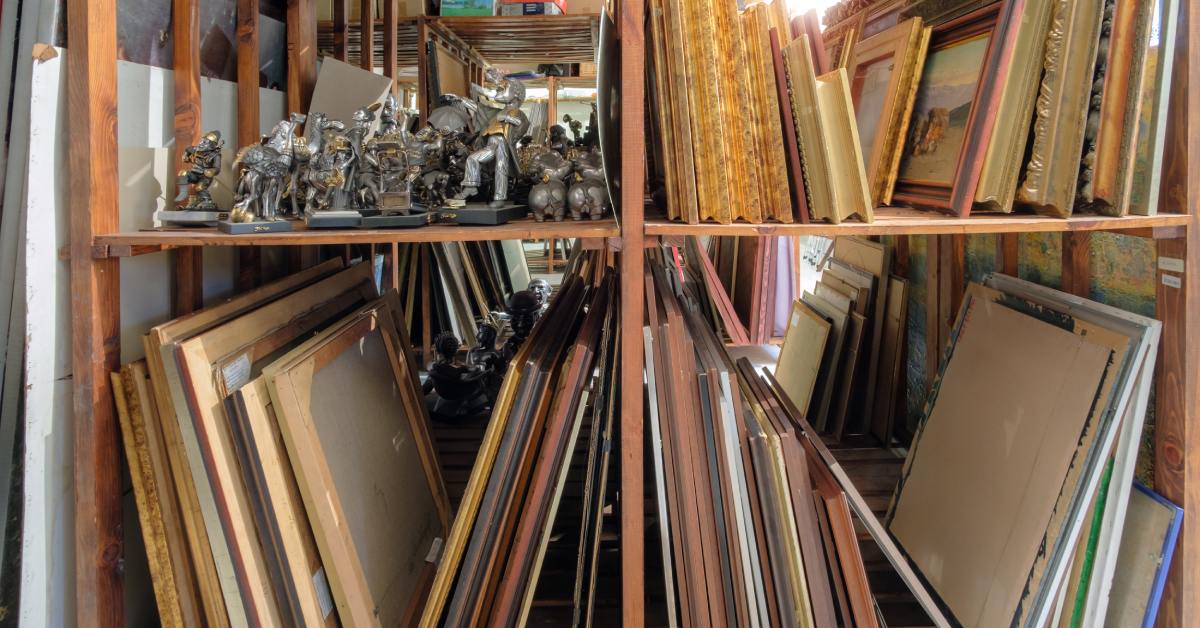
Artwork and collectibles hold financial value, brand equity, and long-term investment potential for many businesses. Whether you manage gallery inventory, retail décor stock, framed prints, or promotional display pieces, proper storage protects your bottom line. Damage during storage or transit leads to unnecessary replacement costs, insurance claims, and lost customer confidence.
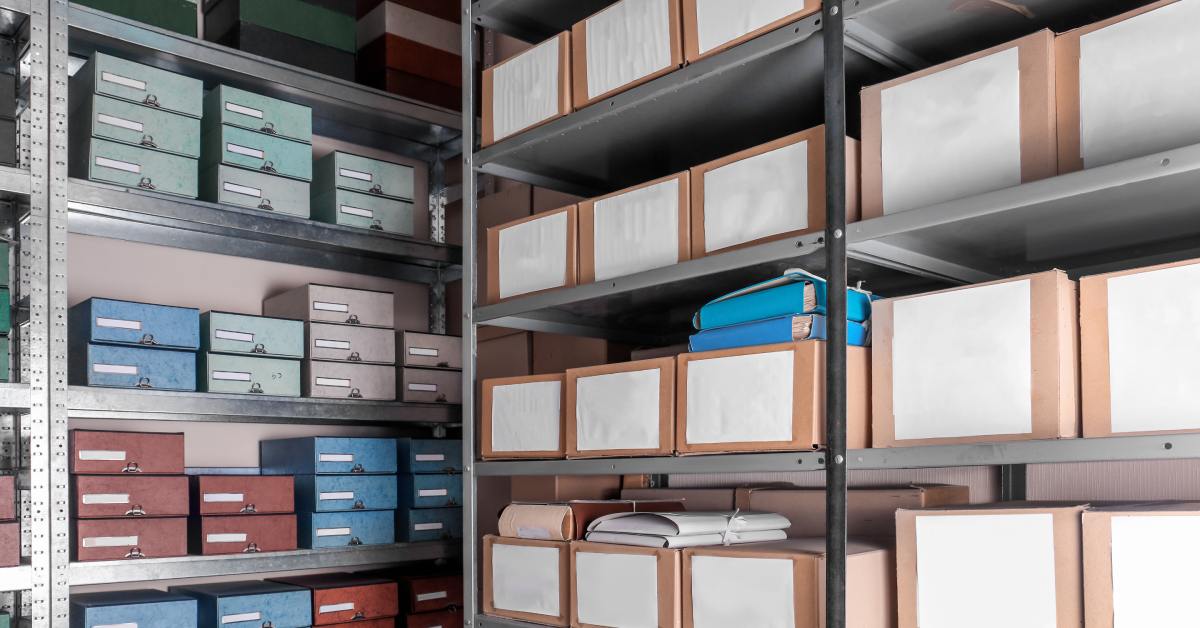
Plain corrugated boxes offer a practical, cost-effective solution for safeguarding valuable items. When storing artwork and collectibles safely in plain boxes correctly, they provide structure, cushioning, and stack strength without driving up packaging expenses. Businesses that standardize their storage approach improve efficiency, reduce waste, and streamline operations.
Why Proper Storage Matters for Businesses
For commercial operations, artwork and collectibles are not personal keepsakes; they are assets. Improper storage exposes them to crushing, moisture, surface abrasion, and corner damage. Even minor dents or scratches can significantly reduce resale value. For retail and industrial businesses operating at scale, repeated small losses compound quickly.
A consistent storage strategy prevents avoidable damage and protects margins. Plain boxes support organized, stackable, and labeled storage systems. They allow warehouse teams to move inventory safely and efficiently without unnecessary complexity.
Choosing the Right Box Materials
Not all boxes offer the same level of protection. Businesses storing artwork and collectibles must prioritize materials that prevent deterioration over time. Acid-free, archival-quality cardboard is often the preferred choice for paper-based artwork, photographs, and documents. Acidic materials can cause yellowing, brittleness, and long-term damage.
For heavier or fragile items such as sculptures, ceramics, or framed artwork, double-walled corrugated boxes provide additional strength and impact resistance. Reinforced corners and sturdy construction help prevent crushing when boxes are stacked.
In some cases, specialty boxes designed for specific artwork dimensions may be necessary. Custom-fit boxes minimize internal movement, which reduces the likelihood of scratches, chipped frames, or other damage during handling or storage.

Internal Protection and Cushioning
The box itself is only one part of a safe storage system. Interior cushioning plays an equally important role. Businesses should use archival tissue paper, bubble wrap, foam inserts, or padded corner protectors to stabilize items within the box.
Artwork such as paintings and prints should be wrapped in acid-free tissue before adding protective layers. For framed pieces, corner guards prevent pressure damage to frames and glazing. Sculptures and three-dimensional collectibles benefit from foam padding that absorbs shock and prevents shifting.
It is important to avoid overpacking boxes. Excessive pressure can cause warping or stress fractures, particularly with delicate items. At the same time, empty spaces should be filled with appropriate cushioning to eliminate movement.
Labeling Without Compromising Security
While plain boxes provide discretion, businesses still require efficient identification systems. Clear labeling is essential for inventory management, yet it must be done carefully to maintain security.
Avoid labeling boxes with detailed descriptions of valuable contents. Instead, use coded inventory numbers or internal tracking systems that correspond to secure digital records. This approach ensures staff can quickly locate items without advertising what is inside.
Barcoding systems and digital asset management software further enhance tracking accuracy. When businesses handle high volumes of artwork or collectibles, these tools reduce human error and support seamless audits.
Climate Control Considerations
Even the best plain boxes cannot protect artwork if environmental conditions are not controlled. Temperature, humidity, and light exposure significantly affect long-term preservation.
Most artwork and collectibles should be stored in environments with stable temperatures between 65 and 75 degrees Fahrenheit and relative humidity levels between 40 and 55 percent. Excess moisture can cause mold growth, while dry conditions may lead to cracking or brittleness.
Plain boxes should be stored off the ground on shelving or pallets to prevent water damage in case of leaks or flooding. Storage areas should also be free from direct sunlight, which can fade pigments and weaken materials.
Protecting During Transport and Handling
Businesses frequently move artwork between offices, galleries, exhibitions, or storage facilities. Plain boxes are particularly effective for transport because they provide sturdy containment while maintaining discretion.
Before moving items, ensure boxes are securely sealed with high-quality packing tape. Reinforce seams and corners for heavier contents. Clearly mark boxes with handling instructions such as “Fragile” or “This Side Up” without detailing the contents.
Train staff on proper lifting techniques and handling protocols. Mishandling during loading or unloading can cause more damage than long-term storage conditions. Using dollies, carts, and padded moving blankets further reduces risk.
Inventory Management and Documentation
Effective storage is closely tied to accurate documentation. Businesses should maintain detailed records of every stored piece, including photographs, condition reports, dimensions, and storage location codes.
Before placing artwork into plain boxes, conduct a condition assessment and document any existing imperfections. This record protects the business in case of future disputes or insurance claims.
Regular inventory checks confirm that items remain accounted for and undamaged. Digital databases streamline record-keeping and allow quick retrieval of information when needed.
Insurance and Risk Mitigation
Even with proper storage practices, businesses must prepare for unforeseen events. Insurance coverage tailored to artwork and collectibles is essential. Review policies carefully to ensure they cover damage during storage, transport, and display.
Plain boxes can support risk mitigation efforts by reducing visibility and lowering the chance of theft. However, businesses should also consider surveillance systems, restricted access controls, and alarm systems in storage areas.
Long-Term Preservation Strategies
For businesses storing artwork or collectibles for extended periods, periodic inspections are crucial. Even in climate-controlled environments, materials can shift or degrade over time. Schedule routine checks to monitor humidity levels, assess packaging integrity, and examine items for signs of mold, pests, or discoloration. Replace boxes or internal cushioning if they show wear or structural weakness.
Long-term storage should never be a “set it and forget it” process. Ongoing oversight ensures that valuable pieces remain in excellent condition year after year. Additionally, consider rotating items out of storage when appropriate to prevent prolonged stress on specific materials. Thoughtful planning extends the lifespan of valuable collections.
The Business Case for Safe Storage
Protecting artwork and collectibles is not solely about preservation; it directly impacts a company’s financial health and reputation. Damaged artwork can lead to significant financial losses, insurance complications, and reputational harm.
Clients, collectors, and stakeholders expect businesses to treat valuable items with the highest level of care. Demonstrating organized, secure storage practices builds trust and reinforces professionalism.
Plain boxes may appear simple, but when used strategically, they form the foundation of an effective storage system. They offer discretion, consistency, and compatibility with archival preservation techniques.
In industries where value can hinge on condition and authenticity, safe storage practices become a competitive advantage.
Protect Your Company’s Assets
Storing artwork and collectibles safely in plain boxes is a smart, practical solution for businesses committed to preservation and security. By selecting high-quality materials, incorporating proper internal protection, maintaining climate control, and implementing strong inventory systems, companies can safeguard valuable assets with confidence.
Plain boxes provide discretion and uniformity while supporting long-term conservation goals. When combined with careful handling, documentation, and risk management strategies, they become a powerful tool in protecting artistic and collectible investments.
For businesses entrusted with valuable pieces, thoughtful storage is not optional. It is an essential component of responsible stewardship and long-term success.
Posted by