

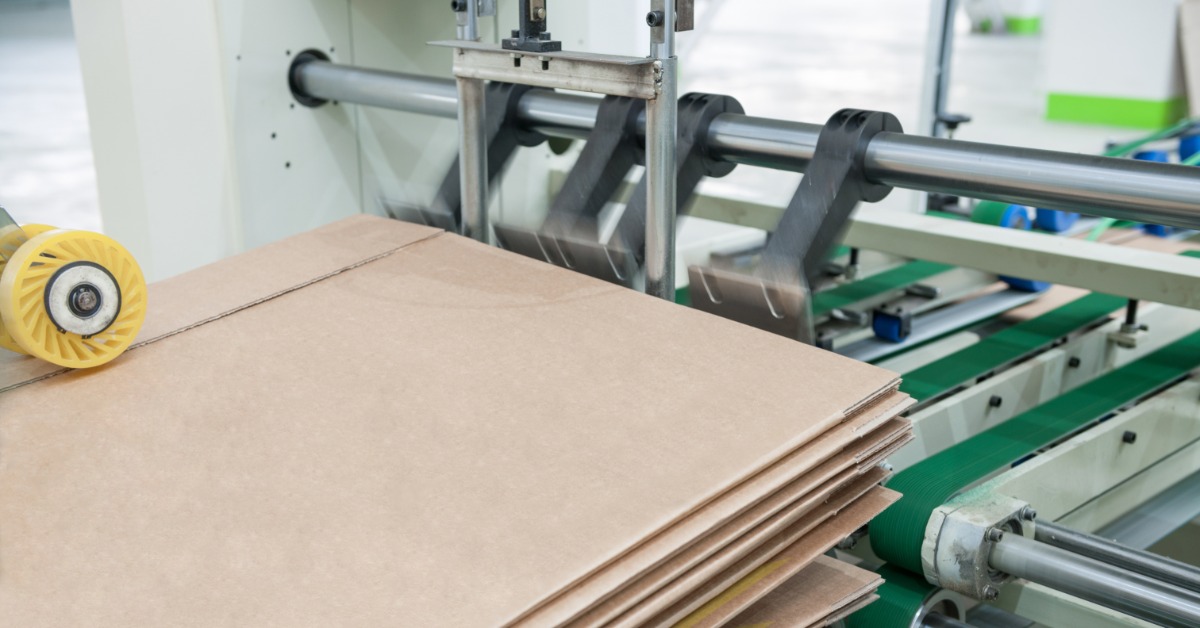
Automation continues to reshape modern packaging operations, helping manufacturers, distributors, and fulfillment centers improve efficiency while reducing labor-intensive tasks. As packing lines become faster and more sophisticated, every component of the packaging process must perform consistently. One often overlooked factor is box scoring, which plays a critical role in how corrugated containers fold, form, and move through automated equipment. Plain box scoring for automated packing lines is more than a manufacturing detail; it is a key element in achieving smooth, uninterrupted production.
Understanding Box Scoring in Corrugated Packaging
Box scoring refers to the process of creating controlled creases in corrugated board. These creases allow the material to fold precisely along predetermined lines during box assembly. Without proper scoring, corrugated containers may crack, fold unevenly, or resist automated forming equipment.
In automated environments, box scores must be consistent from one box to the next. Packing machines are designed to operate at high speeds and rely on predictable material behavior. Even slight variations in score depth, placement, or quality can create operational issues that slow production and increase waste.
The scoring process must account for the type of corrugated board, flute profile, box dimensions, and intended application. When these factors are properly balanced, packaging equipment can reliably erect, fill, and seal boxes with minimal intervention.
Why Automated Packing Lines Depend on Accurate Scoring
Automated packing equipment is engineered for precision. Carton erectors, case packers, and sealing systems all require boxes to fold uniformly every time they enter the line.
When scoring is inaccurate, problems can occur throughout the packaging process. Boxes may fail to open correctly, flaps may not align, and sealing equipment may struggle to close containers properly. These disruptions can result in product damage, machine stoppages, and reduced productivity.
Accurate scoring allows automated systems to maintain consistent operating speeds. It also reduces the likelihood of jams and decreases the need for manual adjustments by operators. For facilities processing thousands of packages daily, these improvements can translate into significant cost savings.
As automation investments continue to grow, businesses increasingly recognize the value of properly engineered corrugated packaging that supports reliable machine performance.
The Relationship Between Board Strength and Score Quality
Corrugated board strength and scoring quality must work together to create packaging that performs effectively on automated lines. Stronger board grades often require carefully calibrated scoring techniques to ensure clean folds without damaging the material structure.
When scores are too shallow, the board may resist folding. When scores are too deep, the board can lose strength and become vulnerable to crushing. Either scenario can create difficulties during automated handling.
Manufacturers must carefully evaluate the intended use of the container when determining scoring specifications. Factors such as product weight, stacking requirements, transportation conditions, and automation speeds all influence the optimal score design.
Achieving the right balance helps preserve structural integrity while ensuring smooth performance throughout the packaging process.
How Score Consistency Impacts Production Efficiency
Consistency is one of the most important goals in automated packaging environments. High-speed machinery performs best when every component entering the system behaves identically.
Variations in scoring can create inconsistencies that disrupt workflow. Boxes that fold differently from one another may require operators to intervene, slowing production and increasing labor costs. Repeated interruptions can also place additional wear on machinery.
Consistent scoring improves line efficiency by allowing equipment to operate as designed. Uniform folds lead to better box formation, cleaner sealing, and more predictable package dimensions. These benefits help support continuous production while minimizing downtime.
For companies managing large packaging volumes, even small improvements in consistency can generate substantial operational gains over time.
Common Challenges Associated With Poor Scoring
Several issues can arise when corrugated boxes are not scored correctly for automated systems. One common problem is board cracking along fold lines. Cracks can weaken the container and reduce its ability to protect products during storage and shipment.
Another challenge involves improper flap alignment. Misaligned flaps may interfere with sealing equipment and create poorly sealed packages. This can compromise package integrity and increase the likelihood of transit damage.
Poor scoring can also contribute to machine jams. When boxes fail to erect properly, automated systems may stop unexpectedly, creating bottlenecks throughout the production process.
Addressing these challenges requires close collaboration between packaging suppliers and customers to ensure boxes are engineered specifically for automated applications.
Selecting the Right Corrugated Packaging Partner
Choosing a packaging supplier with experience supporting automated operations is an important step toward maximizing efficiency. Packaging requirements for automated environments are often more demanding than those for manual packing processes.
A knowledgeable supplier understands how board grades, flute profiles, score placement, and manufacturing tolerances affect machine performance. They can recommend packaging solutions that align with production goals while maintaining product protection.
Many businesses also benefit from working with suppliers that provide testing and performance evaluations. These assessments can identify opportunities for optimization before packaging enters full-scale production.
Organizations that prioritize quality packaging often experience fewer operational disruptions and greater long-term reliability.
The Role of Plain Boxes in Automated Systems
Many automated packaging operations rely on standardized corrugated containers because they simplify inventory management and streamline machine setup. Plain boxes are particularly valuable in high-volume environments where consistency and efficiency are primary concerns.
Without complex printing requirements, manufacturers can focus on producing containers with highly accurate dimensions and scoring characteristics. This attention to structural performance helps ensure compatibility with automated equipment.
Standardized packaging also allows businesses to maintain flexibility across multiple production lines and distribution facilities. As operational demands change, properly scored boxes can adapt more easily to evolving packaging requirements.
The combination of simplicity, reliability, and cost-effectiveness makes plain corrugated containers a practical choice for many automated applications.
Engineering Packaging for High-Speed Automation
As packing equipment continues to evolve, packaging design must keep pace. Modern automated systems often process hundreds or even thousands of packages per hour, creating little room for packaging inconsistencies.
Engineers increasingly evaluate how corrugated containers interact with equipment throughout the entire packaging cycle. This includes box erection, product loading, sealing, palletizing, and transportation.
Proper scoring remains one of the most influential factors in overall packaging performance. When score lines are engineered to match machine capabilities and product requirements, businesses can achieve greater operational stability and improved throughput.
Packaging that supports automation not only enhances productivity but also contributes to a more predictable and scalable operation.
Efficient Scoring Processes
Automated packaging lines depend on consistency, precision, and reliability at every stage of operation. While machinery often receives the most attention, corrugated packaging plays an equally important role in overall system performance.
Plain box scoring for automated packing lines helps ensure boxes fold correctly, move smoothly through equipment, and support uninterrupted production. Accurate scoring reduces downtime, improves sealing performance, and contributes to greater operational efficiency.
For businesses seeking to maximize the return on their automation investments, partnering with an experienced packaging supplier is essential. The right scoring specifications can help create a packaging solution that supports productivity, protects products, and delivers long-term value throughout the supply chain.
Posted by