

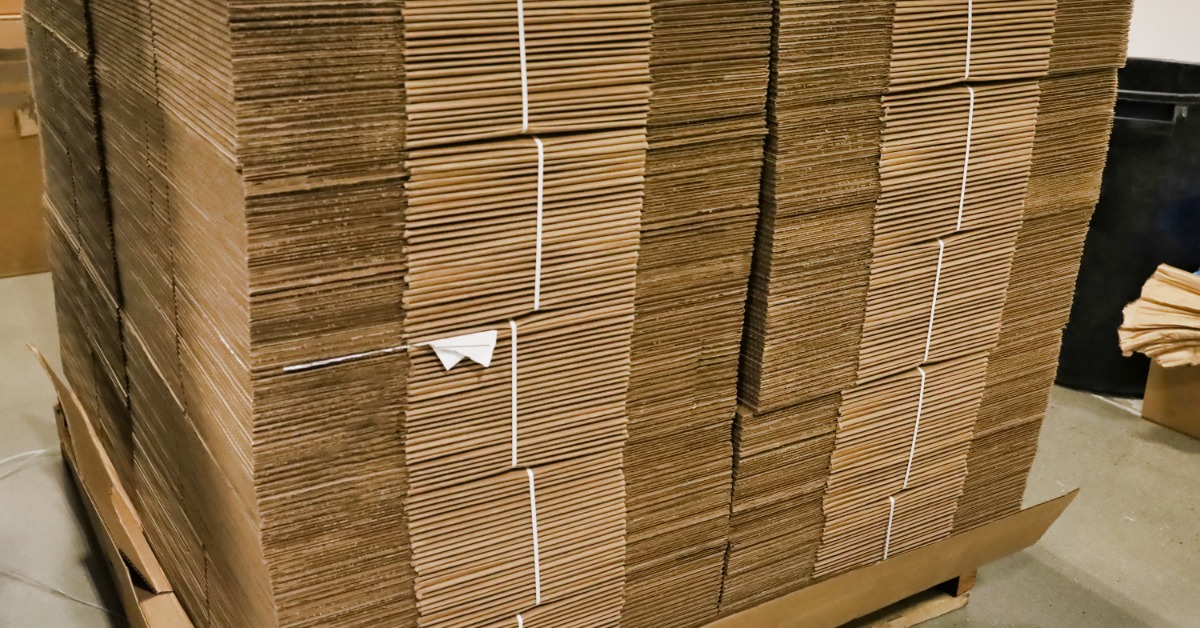
Gaylord boxes, also known as bulk bins or pallet boxes, play a vital role in shipping and storage across a wide range of industries. From agriculture and food processing to manufacturing and recycling, these heavy-duty corrugated containers are designed to hold large volumes of products while maintaining structural integrity. Their strength, size, and stackability make them a practical solution for transporting bulk goods safely and efficiently. Understanding how gaylord boxes are made offers insight into the engineering and craftsmanship behind these reliable containers.
Selecting and Preparing Raw Materials
The process begins with selecting the right raw materials. Gaylord boxes are typically made from corrugated fiberboard, which consists of layers of paperboard combined to create strength and durability. The main components include linerboard and medium.
Linerboard forms the flat outer surfaces of the box, while the medium is the fluted or wavy layer sandwiched between the liners. This fluted layer provides cushioning and structural support. The paper used to create these layers is often made from a blend of virgin and recycled fibers, depending on the strength requirements and sustainability goals of the manufacturer.
Before production begins, the paper rolls are carefully inspected to ensure they meet quality standards for thickness, moisture content, and consistency. Maintaining uniformity at this stage is critical to producing boxes capable of handling heavy loads.
Creating the Corrugated Sheets
Once the raw paper materials are approved, they move to the corrugator. This large industrial machine is responsible for forming the corrugated sheets that will later be cut and assembled into gaylord boxes.
The medium is fed through heated rollers that shape it into the signature fluted pattern. As it passes through the rollers, heat and steam are applied to make the paper pliable. The fluted medium is then bonded to a sheet of linerboard using a starch-based adhesive. Depending on the required strength of the final box, additional layers may be added.
For gaylord boxes, manufacturers often use double-wall or triple-wall corrugated board. Double-wall board contains two layers of fluted medium and three layers of linerboard, while triple-wall construction adds another fluted layer and liner. These additional layers significantly increase compression strength and stacking capacity, making the boxes suitable for bulk shipping.
After bonding, the corrugated board passes through drying and cooling sections to ensure the adhesive sets properly. The finished sheets are then cut to the appropriate size for the specific box design.
Designing and Customizing the Box Structure
Gaylord pallet boxes come in various sizes and configurations to meet different industry needs. Before cutting and shaping the corrugated sheets, engineers and designers determine the dimensions, load capacity, and structural reinforcements required.
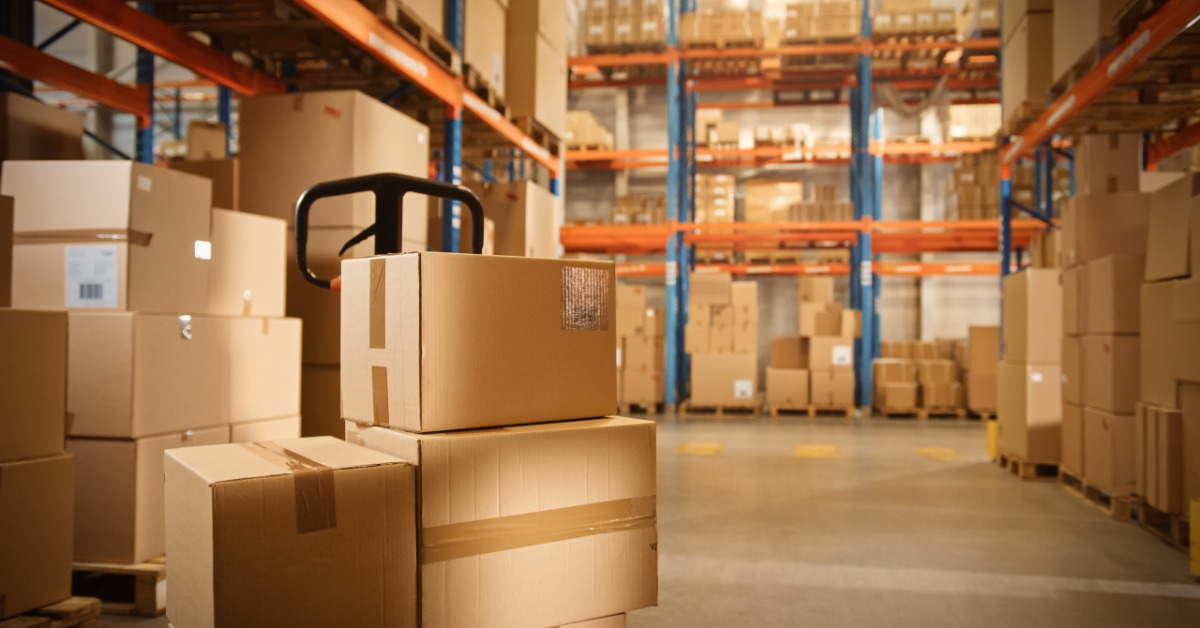
Design considerations include the weight of the intended contents, stacking height during storage, shipping conditions, and pallet compatibility. Most gaylord boxes are designed to fit standard pallet dimensions, allowing for easier handling with forklifts and pallet jacks.
Some designs incorporate additional features such as reinforced corners, internal partitions, or flaps that improve stability. The design phase may also involve testing prototypes to verify compression strength and durability under real-world conditions. This ensures the final product meets performance standards and safety requirements.
Cutting and Scoring the Corrugated Board
After the corrugated sheets are produced and approved, they move to the cutting and scoring stage. Specialized machines precisely cut the large sheets into flat blanks that will later be folded into box shapes.
Scoring lines are added to the blanks to indicate where folds will occur. These creases allow the thick corrugated material to bend cleanly without cracking or compromising structural integrity. Precision is crucial at this stage because even minor inaccuracies can affect the box’s final shape and strength.
In addition to scoring, slots and die-cut features may be incorporated. For example, some gaylord boxes include hand holes for easier lifting or ventilation holes for agricultural products. Die-cutting machines use custom blades to create these features with consistent accuracy.
Printing and Labeling
Depending on customer requirements, printing may occur before or after cutting. Many gaylord boxes are printed with branding, handling instructions, recycling symbols, or product information.
Flexographic printing is commonly used in corrugated packaging production. This method employs flexible printing plates and fast-drying inks, allowing for high-speed application on large surfaces. The printing process must be carefully calibrated to ensure alignment with the box design and structural features.
In some cases, labels are applied instead of direct printing. Labels may include barcodes, shipping details, or compliance information required for certain industries. Proper labeling ensures traceability and efficient logistics management throughout the supply chain.
Folding and Assembly
Once the blanks are cut, scored, and printed, they move to the assembly stage. For standard gaylord boxes, assembly involves folding the scored panels into a square or rectangular shape and securing the seams.
Manufacturers often use heavy-duty staples, adhesive bonding, or stitching to secure the vertical seams. The chosen method depends on the box’s intended load capacity and customer specifications. Triple-wall boxes, for example, require particularly strong seam reinforcement to withstand high weight loads.
The bottom flaps are designed to interlock or overlap securely, providing a stable base for heavy contents. Some gaylord boxes include a separate bottom tray or reinforced pad for added support. These reinforcements help distribute weight evenly across the pallet and reduce the risk of failure during transport.
Quality Control and Strength Testing
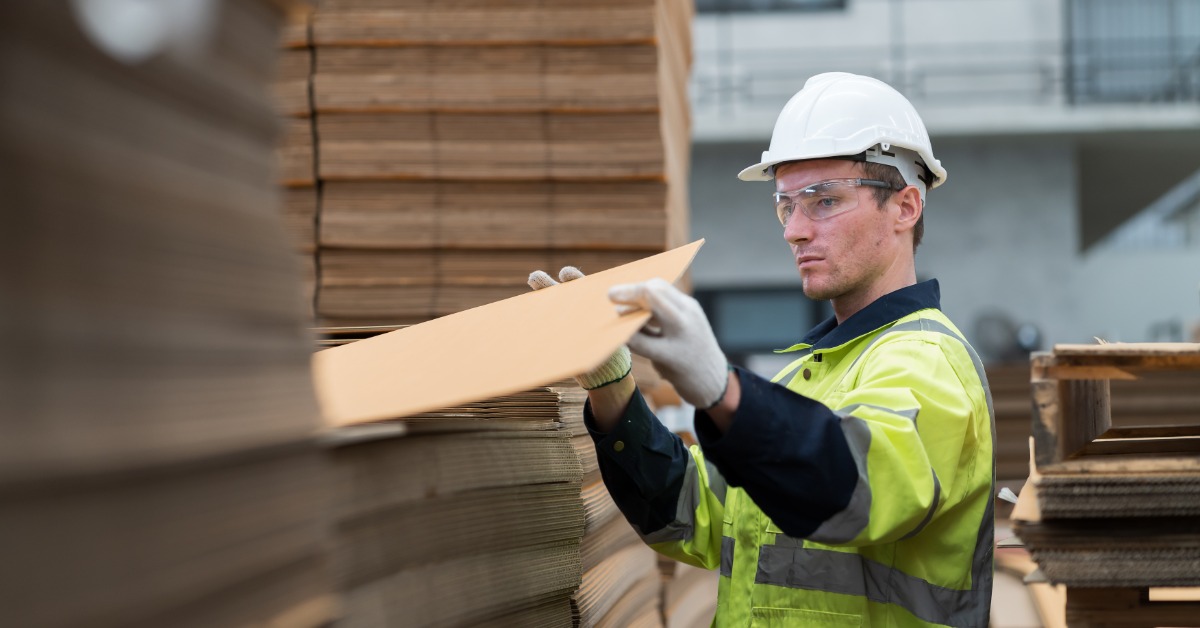
Before shipment, each batch of gaylord boxes undergoes quality control inspections. Manufacturers test for factors such as compression strength, edge crush resistance, and dimensional accuracy.
Compression testing measures how much weight the box can support when stacked. This is especially important for warehouses where boxes are often stacked multiple layers high. Edge crush tests evaluate the strength of the corrugated board when force is applied to its edges, ensuring the material can handle pressure during handling and transport.
Inspectors also check for visual defects, including improper bonding, misaligned seams, or printing errors. Consistent quality control ensures that customers receive boxes capable of protecting their products throughout storage and distribution.
Bundling and Shipping to Customers
After passing inspection, the finished gaylord boxes are bundled and prepared for shipment. Many boxes are shipped flat to save space and reduce transportation costs. Shipping flat also allows customers to assemble the boxes on-site as needed.
Bundles are stacked on pallets and secured with stretch wrap or straps to prevent shifting during transit. Clear labeling on each bundle helps warehouse teams identify box sizes and specifications quickly.
From the manufacturing facility, the boxes are transported to distribution centers, warehouses, or directly to customers. Their durable construction ensures they remain intact even before assembly.
Sustainability in Gaylord Box Manufacturing
Sustainability plays an increasingly important role in the production of gaylord boxes. Corrugated fiberboard is widely recognized as one of the most recyclable packaging materials available. Many manufacturers incorporate a high percentage of recycled content into their linerboard and medium.
The starch-based adhesives used in corrugation are biodegradable, and the production process is designed to minimize waste. Scrap corrugated material generated during cutting and trimming is typically collected and recycled back into the paper-making process.
Additionally, gaylord boxes are often reused multiple times before recycling. Their sturdy construction allows them to withstand repeated use in closed-loop supply chains, further reducing environmental impact.
The Engineering Behind Bulk Strength
What sets gaylord boxes apart from standard corrugated boxes is their ability to handle significant weight and volume. This strength comes from thoughtful engineering at every stage of production. The choice of flute size, the number of wall layers, and the quality of adhesives all contribute to the box’s performance.
Larger flutes provide cushioning and stacking strength, while multiple wall layers increase rigidity. Careful calibration of moisture levels during production ensures the paper maintains its strength without becoming brittle.
By combining material science with precision manufacturing, producers create containers capable of safely transporting everything from plastic resins and automotive parts to fresh produce and recyclable materials.
The Manufacturing Process
Manufacturing gaylord boxes may appear simple on the surface, but their production involves a carefully coordinated sequence of steps. From selecting high-quality paper fibers to engineering multi-wall corrugated sheets and conducting rigorous strength tests, every stage contributes to the final product’s reliability.
These bulk containers serve as an essential component of modern logistics, offering durability, efficiency, and sustainability in one practical design. Understanding how gaylord boxes are made highlights the craftsmanship and innovation behind a packaging solution that supports industries worldwide.
Whether used for storage, shipping, or recycling, gaylord boxes represent a thoughtful blend of engineering and functionality, built step by step to handle the demands of heavy-duty applications.
Posted by