

Sustainability is no longer an optional pursuit; it has become a collective responsibility across industries. Many businesses are finding innovative ways to align their operations with eco-conscious practices, and the dry-cleaning industry is no exception. A growing trend in this sector is the use of recycled boxes for garment storage, showcasing an exciting intersection of practicality, customer service, and environmental responsibility. Knowing how dry-cleaners use recycled boxes for garment storage allows you to enhance your own operations practically and sustainably.
The Importance of Going Green in the Dry-Cleaning Industry
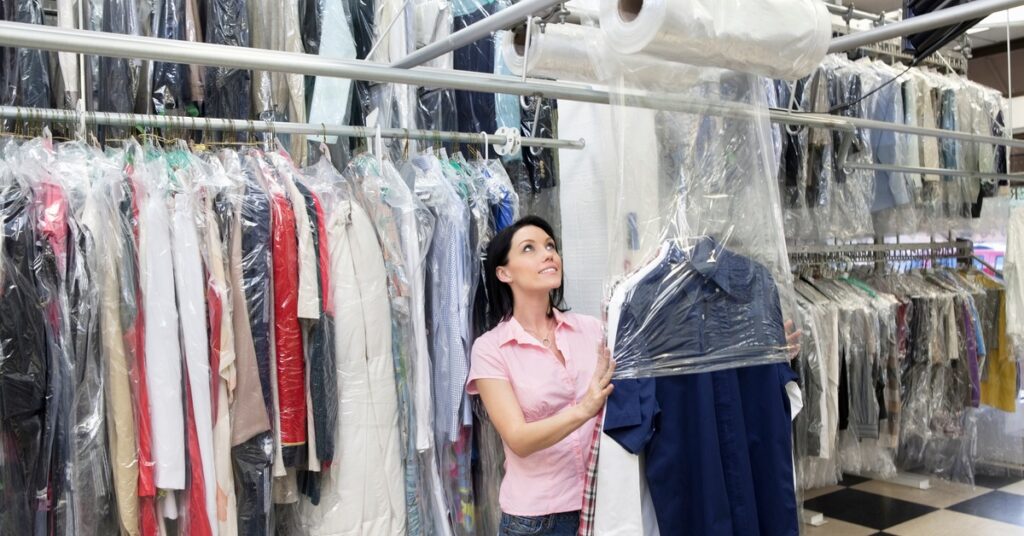
The dry-cleaning industry relies heavily on processes and materials that can have an environmental footprint. From chemical-based cleaning agents to single-use plastic covers for protecting garments, the traditional model often generates significant waste. With consumers increasingly prioritizing businesses that adopt green practices, dry-cleaners are finding themselves under pressure to innovate. By using recycled boxes for garment storage, these businesses are not only reducing their carbon footprint but also demonstrating a commitment to sustainability that resonates with today’s socially conscious customers.
Integrating sustainable materials into their workflow also positions dry-cleaners as industry leaders who aren’t just focused on profit but are genuinely invested in creating a healthier planet. This shift goes a long way in fostering trust and customer loyalty, as individuals are more likely to support businesses that align with their values.
How Recycled Boxes Are Used for Garment Storage
Recycled boxes have emerged as an eco-friendly alternative to traditional garment packaging solutions. These boxes, made from repurposed cardboard or other recyclable materials, offer a sturdy and practical way to store freshly cleaned clothing. Once garments are treated and pressed, they are carefully folded and placed within these recycled containers. The boxes are designed to keep the garments in impeccable condition, shielding them from dust and dirt while maintaining structural integrity.
These boxes are especially useful for bulk storage. For customers who have large batches of clothing cleaned, recycled boxes provide an efficient way to package and transport their items. Many dry-cleaners also customize the boxes with branding or labels to enhance the overall customer experience. This functional yet eco-friendly method demonstrates how sustainability can coexist with practical business needs.
Benefits for the Environment
One of the most significant benefits of using recycled boxes in dry-cleaning operations is the positive impact on the environment. Traditional garment storage often involves the use of plastic garment bags, which contribute to long-term pollution as they rarely get recycled and can take hundreds of years to break down. Transitioning to recycled boxes reduces the reliance on plastic, thereby mitigating waste and curbing harmful environmental effects.
Additionally, opting for recycled materials diverts waste away from landfills. Instead of creating new cardboard or packaging, manufacturers repurpose used materials, conserving natural resources like trees and water. This circular approach to production minimizes the strain on the environment, aligning with global efforts to promote sustainability and reduce carbon emissions.
Aligning with Consumer Values
Modern consumers are increasingly aware of the environmental impact of their choices and are actively seeking out businesses that prioritize sustainability. By adopting recycled boxes, dry-cleaners can position themselves as environmentally responsible partners in their customers’ efforts to make eco-conscious purchasing decisions. This sense of shared responsibility fosters a deeper connection between the business and its clientele.
Customers experience the difference firsthand when receiving their clothes in eco-friendly packaging. The sight of a sturdy, recycled box can serve as a reminder that their dry-cleaner cares about the planet as much as they do. Such moments of alignment allow businesses to build loyalty while standing out in a competitive industry.
Cost Efficiency for Dry-Cleaners
Beyond the environmental benefits, using recycled boxes can also help dry-cleaners reduce costs. Producing new materials requires significant energy and resources, often translating into higher production expenses. Recycled boxes, on the other hand, are more affordable to manufacture due to the lower raw material requirements.
For dry-cleaners, this cost-efficiency can lead to long-term savings. With fewer expenditures on new packaging, businesses can allocate resources to other areas like improving equipment, training staff, or enhancing customer service. This dual advantage of sustainability and cost savings makes recycled boxes a smart investment for forward-thinking dry-cleaners.
Challenges in Implementation
While the shift to recycled boxes offers numerous benefits, it’s not without its challenges. One of the primary obstacles is sourcing reliable suppliers who can provide high-quality recycled materials. It’s critical for dry-cleaners to purchase cardboard boxes wholesale to accommodate the volume of business they conduct.
Additionally, there may be initial costs associated with transitioning from traditional storage methods to sustainable alternatives. This includes redesigning workflows, retraining employees, and addressing potential customer concerns about the switch. However, these challenges are often short-term and can be overcome with proper planning and communication.
The Role of Innovation in Sustainable Packaging
Innovation has played a crucial role in making recycled boxes a viable option for garment storage. Advances in material science have ensured that recycled boxes are as durable and dependable as their non-recycled counterparts. Manufacturers have also developed creative designs to enhance the usability and aesthetic appeal of these boxes. From compartmentalized boxes that allow for separation of garments to foldable models that save space during transportation, innovation continues to drive the adoption of sustainable packaging solutions.
Some dry-cleaners have taken the initiative to work with local artists and designers to create visually appealing boxes that customers appreciate and even reuse. This not only reduces waste but also adds a unique element to the customer experience, reflecting the business’s commitment to creativity and sustainability.

Inspiring Broader Change
The use of recycled boxes in the dry-cleaning industry is a small but impactful example of how businesses can contribute to environmental sustainability. By incorporating green practices into their operations, dry-cleaners serve as role models for other industries grappling with similar challenges. The collective adoption of eco-friendly alternatives has the potential to create a ripple effect, inspiring innovations and reforms across multiple sectors.
For customers, seeing such efforts at their local dry-cleaner can also prompt reflection on their personal sustainability practices. It raises awareness about the importance of making more conscious choices, both as consumers and as stewards of the planet.
A Future Rooted in Sustainability
As more businesses recognize the importance of sustainability, practices like using recycled boxes for garment storage are likely to gain momentum. Dry-cleaners stand at the forefront of this change, proving that industries traditionally considered less eco-friendly can still make meaningful contributions toward a sustainable future. By combining innovation, dedication, and community engagement, the industry is paving the way for lasting environmental and social impact.
The trend towards recycled packaging underscores a critical truth; the road to sustainability is paved with small, consistent actions. While the switch to recycled boxes might seem straightforward, its implications are far-reaching, setting the stage for a future in which businesses and customers alike prioritize environmental health without compromising on quality or service.
Posted by