


Businesses throughout the food supply chain rely on corrugated packaging to move packaged products and other materials efficiently. Reusing corrugated boxes can provide a practical alternative to purchasing new packaging for every application, but boxes intended for food-related environments require careful consideration.
That makes recycled box sorting for food-grade applications an important part of selecting appropriate used packaging. Sorting helps businesses separate usable boxes from containers that show signs of contamination, moisture exposure, structural damage, or other conditions that could make them unsuitable for a particular operation.
A consistent sorting process can also help businesses get more value from used packaging while maintaining their own handling and quality requirements.
Why Sorting Matters for Recycled Corrugated Boxes
Used corrugated boxes can come from many different sources and previous applications. Two boxes with the same dimensions and construction may have experienced very different storage, shipping, and handling conditions.
One box might remain clean, dry, and structurally sound after its original use. Another might have been exposed to moisture, dirt, odors, spills, pests, or rough material handling. Visual similarity alone does not establish that the boxes are in comparable condition.
Sorting gives businesses an opportunity to identify those differences before recycled packaging enters their operation. Instead of treating all recovered boxes as interchangeable, companies can organize boxes according to condition, construction, previous use, and suitability for the intended application.
Understanding Food-Grade Packaging Requirements
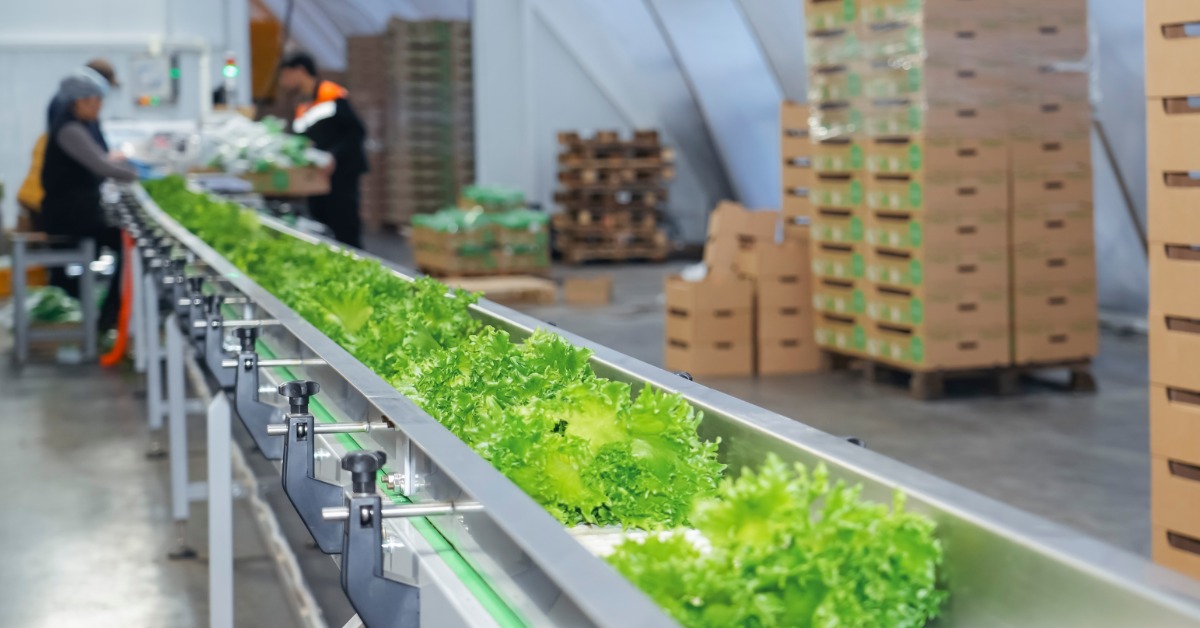
Food-related packaging needs can vary substantially depending on how a box will be used. A corrugated container holding individually packaged products has different requirements from packaging that could come into direct contact with food.
Businesses should determine the requirements of their specific operation before choosing recycled packaging. Internal quality standards, customer specifications, sanitation programs, applicable regulations, and the type of product being handled can all affect whether a used box is appropriate.
Recycled packaging should not automatically be considered suitable for direct food contact simply because it is clean or appears to be in excellent condition. Businesses need to confirm that packaging meets the requirements associated with its intended use.
Start With the Box’s Previous Use
Knowing what a recycled box previously contained can provide valuable context during sorting. Packaging that previously held clean, dry, individually packaged products may present different considerations from a box used around liquids, chemicals, loose materials, or substances that could leave residue.
Previous use can also help businesses determine whether additional evaluation is necessary. When the history of a box cannot be adequately established for a sensitive application, businesses may choose a different packaging option based on their own requirements.
This is particularly important in food-related environments, where preventing unwanted material from entering a handling or storage process can be a priority. Sorting according to known previous use creates another level of control when managing recovered packaging.
Check Boxes for Visible Contamination
Visual inspection is one of the most important steps in sorting used corrugated packaging. Boxes should be examined for dirt, stains, residue, mold-like growth, pest activity, unusual discoloration, and other signs that could indicate contamination or improper storage.
Inspection should cover more than the exterior panels. The inside of the box, bottom panels, seams, corners, flaps, and other areas where debris can collect also deserve attention.
Odors can provide another reason to remove a box from consideration. Corrugated material can be affected by the environment in which it is stored, so boxes with unusual or persistent odors may not be appropriate for food-related operations.
Evaluate Moisture Exposure
Corrugated packaging depends on its material and construction to maintain strength. Excess moisture can soften fibers, distort panels, weaken seams, and reduce the box’s ability to perform as expected.
Water stains, warped panels, softened areas, delamination, or other evidence of moisture exposure should receive attention during sorting. A box that has dried after becoming wet may still have experienced a loss of structural integrity.
Dry storage is therefore important both before and after sorting. Keeping recycled boxes away from leaks, excessive humidity, wet floors, and outdoor exposure can help preserve their condition while they await use.
Examine Structural Condition
A recycled box also needs sufficient structural integrity for its intended job. Creased walls, crushed corners, torn flaps, punctures, damaged seams, and heavily worn panels can all affect performance.
The importance of these defects depends partly on the application. A box used for lightweight secondary packaging may experience different stresses than one that will be stacked, palletized, stored, or transported with heavier contents.
Sorting boxes by condition helps operations reserve stronger packaging for more demanding uses. It also makes it easier to remove boxes that have reached the end of their practical service life instead of allowing them to create problems during packing or transportation.
Match Recycled Boxes to the Application
Effective sorting goes beyond deciding whether a box is usable. Businesses should also determine where each usable box fits within their packaging operation.
Dimensions, wall construction, condition, closure style, and expected load are all relevant. A structurally sound box is not necessarily the right choice if its size or construction does not match the product or handling process.
For applications requiring a specific configuration, custom cardboard shipping boxes may provide a more suitable option than attempting to adapt available recycled inventory. New and used packaging can serve different purposes within the same facility, allowing businesses to choose packaging according to operational requirements.
Create Consistent Sorting Standards
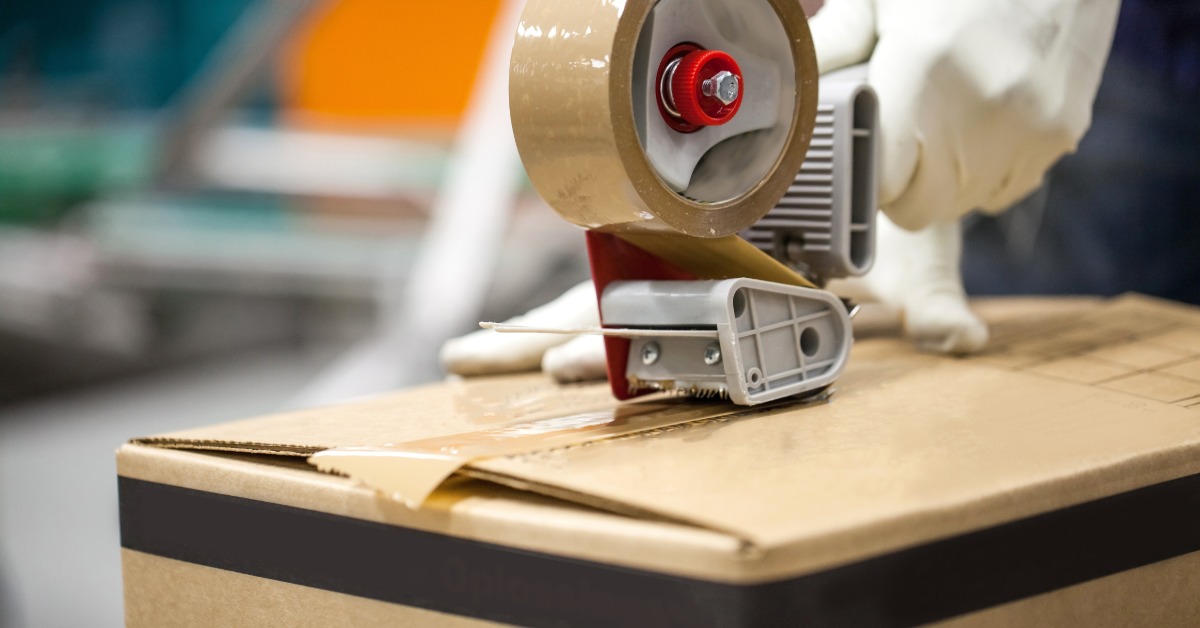
Consistency becomes increasingly important when a business handles large quantities of recycled boxes. Employees need clear criteria for determining which boxes can remain in inventory and which should be removed.
Standards can address cleanliness, dryness, odors, visible damage, structural condition, previous-use information, and acceptable wear. The exact criteria should reflect the company’s products, processes, customers, and applicable packaging requirements.
Documented procedures can also reduce variation between employees or shifts. When everyone evaluates boxes using the same basic standards, businesses can maintain a more predictable supply of usable recycled packaging.
Build a More Reliable Recycled Box Sorting Process
A structured approach to sorting recycled boxes for food-grade applications helps businesses make more informed decisions about where used corrugated packaging belongs in their operation. Previous use, cleanliness, moisture exposure, physical condition, storage, and intended application should all factor into the selection process.
For food-related businesses, packaging decisions should always reflect the requirements of the specific product and process. Used boxes can provide practical value in appropriate applications, while new packaging may be necessary when tighter specifications or different performance characteristics are required.
United Container Co. can help businesses evaluate bulk corrugated packaging options for their storage, handling, and shipping needs. Contact the team to discuss box quantities, specifications, and packaging requirements for your operation.
Posted by