

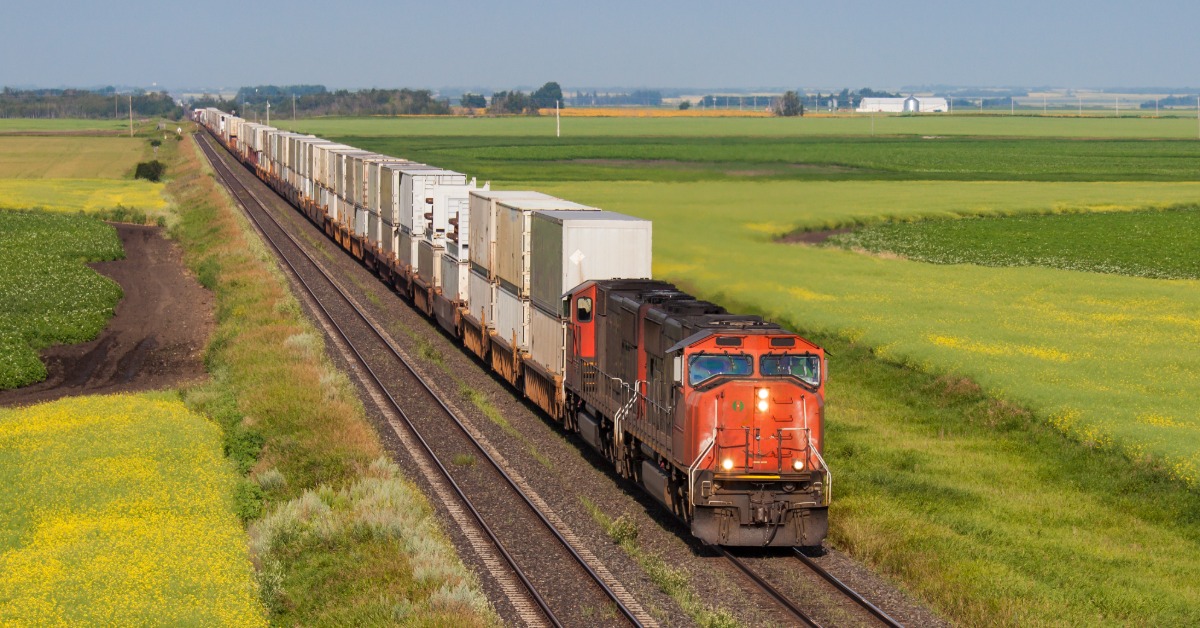
Shipping products over long distances exposes packaging to constant vibration, repeated impacts, and shifting loads. Trucks, railcars, and intermodal transportation all create movement that can weaken packaging and increase the risk of product damage. Selecting the right corrugated construction helps businesses protect their shipments while reducing replacement costs and customer complaints.
One of the most effective ways to improve packaging performance is by selecting flute profiles that match transportation demands. Custom flutes for vibration-heavy freight routes allow manufacturers and distributors to engineer shipping containers that absorb energy, maintain structural integrity, and provide dependable protection throughout the supply chain.
Why Freight Vibration Creates Packaging Challenges
Every shipment experiences vibration from the moment it leaves the warehouse until it reaches its destination. Highways generate continuous road vibration, while rail transport introduces repetitive oscillations that can loosen products inside containers. Forklifts, loading docks, and distribution centers add another layer of stress through repeated handling.
Unlike a single drop or impact, vibration is cumulative. Thousands of small movements gradually weaken packaging materials, loosen closures, and cause products to rub against each other. Even properly stacked pallets can shift slightly over extended transportation distances.
Without packaging designed for these conditions, products become more vulnerable to cosmetic damage, broken components, crushed corners, and compromised seals. Businesses shipping valuable or fragile goods often find that transportation vibration becomes one of the leading causes of product loss.
Understanding Corrugated Flute Profiles
Corrugated flutes are the wave-shaped medium positioned between linerboards. Their size, shape, and spacing determine much of a box’s performance characteristics.
Different flute types provide varying combinations of cushioning, compression strength, stacking performance, and printability. Larger flutes generally offer greater cushioning, while smaller flutes provide smoother surfaces and improved resistance to crushing.
Instead of selecting a standard configuration for every shipment, businesses can tailor flute combinations to match transportation conditions. Freight traveling across multiple states, crossing rough roadways, or moving through several distribution centers often benefits from engineered flute selections rather than standard packaging designs.
The proper flute configuration becomes even more valuable when products must withstand repeated movement without compromising their condition.
Matching Flutes to Transportation Conditions
Shipping environments vary significantly depending on freight routes. Regional deliveries may involve relatively smooth highways and limited handling, while cross-country shipments often experience numerous transfers between trucks, warehouses, and carriers.
Packaging engineers evaluate transportation factors such as shipment duration, pallet stacking height, trailer conditions, product weight, and handling frequency before recommending flute configurations.
Products shipped on vibration-intensive routes frequently benefit from flute profiles that increase cushioning while maintaining adequate compression strength. This balance allows boxes to absorb repeated movement without collapsing under pallet loads.
Rather than relying on one-size-fits-all packaging, manufacturers can optimize corrugated construction for specific shipping environments, reducing unnecessary material while improving product protection.

Combining Multiple Flute Types
Many high-performance shipping containers utilize double-wall or triple-wall corrugated construction. These designs combine multiple flute sizes to capitalize on the advantages of each profile.
Larger flutes contribute cushioning and energy absorption, while smaller flutes improve rigidity and surface stability. Together, these combinations create packaging that performs well under both vibration and compression.
Double-wall construction is particularly useful for industrial products, heavy components, automotive parts, and equipment that travels long distances. The combination helps prevent flexing while maintaining overall package strength throughout the transportation cycle.
Proper flute combinations can also improve pallet stability by reducing deformation during stacking and shipment.
Product Cushioning Starts Inside the Box
Flute selection works alongside interior packaging to minimize movement. Even a strong corrugated container performs better when products remain securely positioned during transportation.
Engineered inserts, partitions, pads, and protective dividers help distribute vibration across the package rather than allowing individual products to absorb repeated impacts.
When the outer box and internal packaging are designed together, vibration forces become less concentrated. This integrated approach helps reduce damage rates while maintaining efficient packaging operations.
Businesses shipping sensitive equipment, electronics, industrial components, or precision-manufactured products often benefit from coordinated packaging systems that consider both internal protection and corrugated flute performance.
Strength Without Excess Weight
Increasing packaging strength does not always require heavier materials. Intelligent flute selection allows companies to improve protection while managing material usage and shipping costs.
Custom flute designs can provide better performance using optimized geometry rather than simply adding more paperboard. This approach helps companies balance durability with transportation efficiency.
Reducing unnecessary packaging weight may also contribute to lower freight expenses across high-volume shipments. Over time, these efficiencies create measurable operational savings while maintaining product protection.
Companies seeking custom shipping boxes wholesale often work with packaging specialists to develop box designs that match both product requirements and transportation conditions.
Improving Pallet Performance During Transit
Packaging performance extends beyond individual boxes. Entire pallet loads must remain stable throughout shipping to prevent shifting, leaning, or collapsing.
Boxes designed with appropriate flute configurations resist compression while maintaining consistent dimensions. Stable packaging helps pallets remain square, improves stretch wrapping performance, and reduces load movement during transit.
This becomes increasingly important for businesses shipping multiple pallet loads over long distances or through shared freight networks. Better pallet stability improves warehouse handling, loading efficiency, and overall shipment reliability.
Packaging that maintains its structural integrity throughout transportation also supports safer storage upon arrival at distribution centers.
Industry Applications for Custom Flute Designs
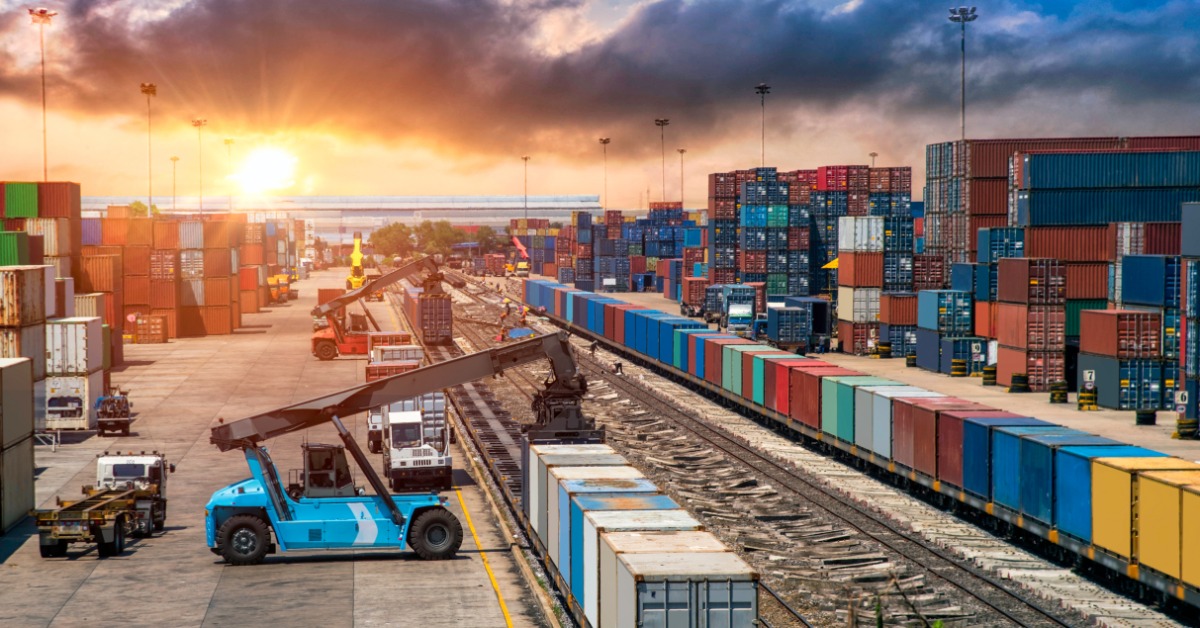
Many industries benefit from flute configurations designed specifically for vibration-intensive shipping environments.
Industrial manufacturers frequently ship heavy machinery components that require exceptional compression strength and vibration resistance. Automotive suppliers rely on durable packaging to protect precision parts during regional and national distribution.
Consumer goods manufacturers also face vibration challenges, particularly when products move through multiple fulfillment centers before reaching retailers. Electronics companies depend on packaging that minimizes movement around sensitive components during transportation.
Food packaging suppliers transporting non-perishable products likewise benefit from corrugated containers engineered to maintain their strength despite extended freight routes and repeated handling.
Each application requires evaluating product characteristics alongside shipping conditions to determine the most appropriate flute combination.
Testing Packaging Before Full Production
Successful packaging development involves testing before large-scale implementation. Laboratory evaluations simulate transportation conditions using vibration tables, compression testing equipment, and environmental chambers.
These tests help engineers determine how corrugated packaging responds to repeated movement, stacking pressure, and handling cycles. Identifying weaknesses during development allows companies to refine designs before products enter distribution.
Field testing also provides valuable insight. Shipping pilot loads through actual freight routes helps validate laboratory results while identifying opportunities for additional improvements.
Companies that invest in packaging validation often experience fewer damaged shipments and greater confidence in long-distance transportation performance.
Working With an Experienced Packaging Supplier
Selecting the right corrugated construction requires understanding both packaging materials and transportation environments. Experienced suppliers evaluate shipment characteristics, product dimensions, freight methods, and storage conditions before recommending solutions.
Rather than supplying standard boxes for every application, knowledgeable packaging providers help businesses develop packaging systems that support operational efficiency while protecting valuable products.
This collaborative approach often results in lower damage rates, improved customer satisfaction, and reduced packaging waste over time. Businesses also gain access to packaging expertise that can support future product launches and evolving shipping requirements.
As freight networks continue growing more complex, customized corrugated solutions become an increasingly valuable investment for manufacturers and distributors alike.
Choosing the Right Custom Flutes for Freight
Freight vibration is an unavoidable part of modern transportation, but product damage does not have to be. Carefully engineered corrugated packaging helps absorb repeated movement, maintain stacking strength, and protect products throughout long shipping cycles.
Businesses that invest in specialized corrugated flute configurations for demanding transportation corridors can improve shipment reliability while reducing replacement costs and operational disruptions. Working with an experienced packaging supplier ensures every corrugated solution is designed to match the specific demands of the products being shipped and the routes they travel.
By aligning flute design with transportation conditions, companies can build stronger packaging strategies that support efficient logistics, safer deliveries, and long-term business success.
Posted by