

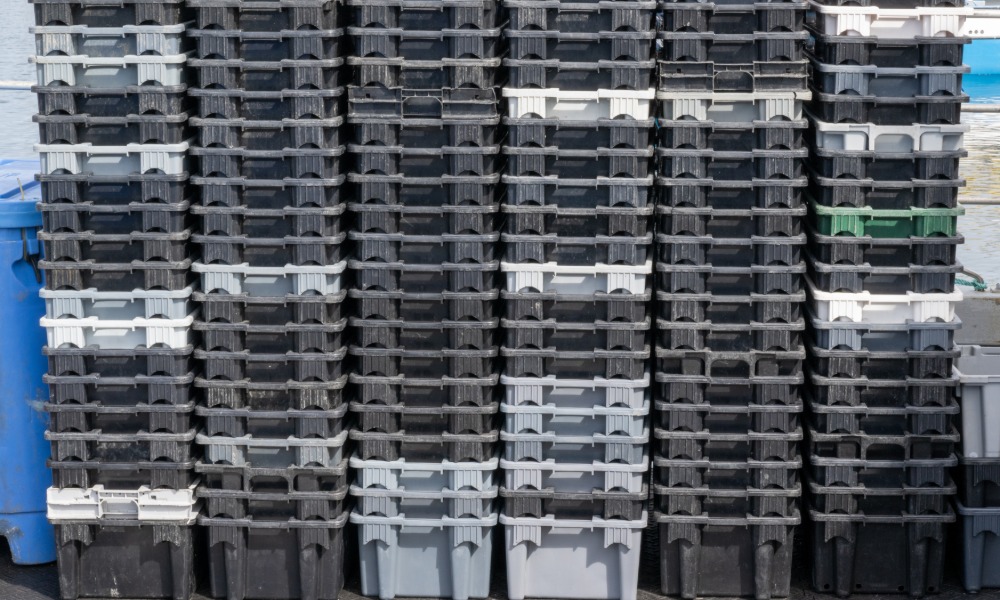
In warehouse operations, every palletized load must remain stable from the loading dock to its final destination. Product movement during storage or transportation can lead to damaged goods and unnecessary replacement costs. Companies that rely on reusable food totes understand the importance of stacking systems that maintain their integrity throughout the supply chain.
One of the most effective ways to improve load security is through food tote tray interlocking for pallet stability. Interlocking designs help distribute weight evenly while reducing movement between trays, allowing businesses to maximize efficiency and minimize damage. Proper pallet building techniques combined with compatible tote designs create dependable loads that withstand transportation and warehouse storage.
Why Pallet Stability Matters
Pallet stability directly affects operational efficiency across manufacturing, food processing, distribution, and retail environments. A poorly stacked pallet increases the likelihood of shifting loads, damaged inventory, and workplace accidents. Even minor movement can weaken a pallet over time, making it more susceptible to collapse during transport.
Stable pallet loads also improve equipment performance. Forklift operators can move secure loads with greater confidence, reducing handling time while minimizing product loss. Warehouse teams spend less time restacking unstable shipments and more time maintaining productive workflows.
Food distribution often involves multiple transfer points before products reach their destination. Every transfer creates another opportunity for stacked trays to shift. A properly interlocked pallet significantly reduces this risk by creating a more unified load that behaves as a single structure instead of separate stacked containers.
Understanding Interlocking Food Tote Trays
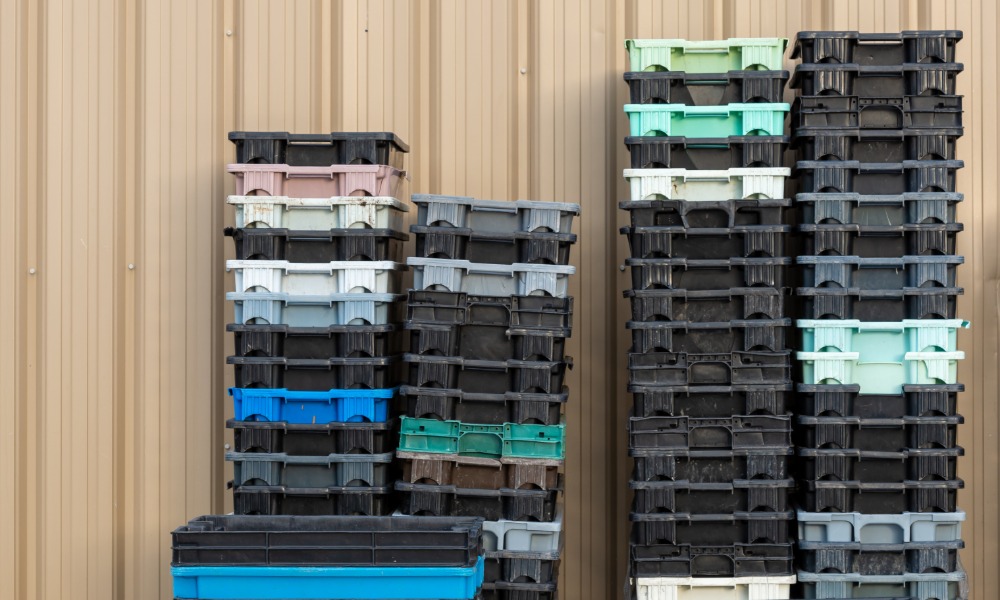
Interlocking tote trays feature molded designs that allow one tray to securely nest or lock into another during stacking. Rather than relying solely on the weight of the containers to remain stable, the trays physically engage with each other to resist movement.
This design provides several operational benefits. Vertical alignment remains consistent throughout the stack, reducing the chance of leaning or tipping. Lateral movement between trays becomes significantly more difficult, especially during forklift acceleration, braking, or turning. As a result, the pallet maintains its structural integrity throughout transportation.
Interlocking systems also improve consistency between loads. Warehouse employees can build pallets using standardized procedures, knowing each layer will align properly with the previous one.
How Interlocking Improves Load Distribution
Proper weight distribution plays a major role in pallet performance. When trays shift independently, pressure concentrates in certain areas instead of spreading evenly across the pallet. This uneven loading can damage packaging materials, weaken pallet boards, or create unstable stacks.
Interlocking trays help transfer weight more uniformly from the top layer down through the entire load. Each tray supports the one above it while maintaining alignment across the stack. This balanced distribution minimizes pressure points and reduces the risk of pallet failure.
Even during long-distance transportation, consistent weight distribution helps prevent settling. Loads remain more uniform after extended periods in trailers or warehouse storage, allowing products to arrive in better condition.
Reducing Product Damage During Shipping
Transportation subjects palletized products to constant vibration, sudden stops, acceleration, and road impacts. Without adequate stability, these forces gradually shift containers, increasing the likelihood of damaged products.
Interlocked trays resist these forces by limiting independent movement between stacked units. Instead of sliding across one another, the trays remain aligned throughout transit. This added stability protects delicate food products while reducing crushed packaging and spilled contents.
Reduced product damage benefits every part of the supply chain. Manufacturers experience fewer rejected shipments, distributors spend less time processing claims, and customers receive products in better condition. These improvements contribute to stronger supplier relationships while lowering overall logistics costs.
Supporting Food Industry Requirements
Food handling environments demand packaging systems that support cleanliness, efficiency, and repeatable processes. Interlocking food tote trays fit naturally into these operations because they simplify handling while protecting packaged products throughout distribution.
Many reusable food totes are manufactured using materials designed for repeated cleaning and sanitizing. Their durable construction allows companies to establish reusable packaging programs that reduce waste while maintaining operational consistency.
Proper pallet stability also minimizes unnecessary handling. When loads remain secure, employees spend less time correcting shifted products and more time moving inventory efficiently through production and distribution facilities.
These advantages make interlocking systems valuable for food manufacturers, processors, distributors, and large-scale retailers seeking dependable material handling solutions.
Best Practices for Building Stable Pallets
Even with interlocking trays, proper pallet construction remains essential. Consistent stacking begins with quality pallets that provide a flat, undamaged foundation. Broken deck boards or uneven surfaces reduce the effectiveness of any stacking system.
Load weight should remain evenly balanced across the pallet footprint. Heavy trays belong near the bottom, while lighter products should occupy upper layers whenever possible. Uniform layer patterns further improve stability by maintaining balanced weight distribution from corner to corner.
Stretch wrap should be applied tightly enough to secure the load without crushing containers. Proper wrapping reinforces the interlocking structure by holding the entire pallet together as a single unit.
Warehouse personnel should also avoid exceeding recommended stack heights. Excessive vertical loads increase center-of-gravity issues regardless of tray design. Following manufacturer recommendations helps maintain optimal performance throughout transportation.
Choosing the Right Packaging Partner
Selecting the proper packaging supplier involves more than purchasing containers. Businesses benefit from working with experienced providers that understand warehouse operations, transportation requirements, and product protection challenges.
A knowledgeable supplier can recommend tote designs that integrate with existing pallet systems while supporting operational goals. They can also provide guidance on pallet configurations, stacking techniques, and packaging solutions that improve shipping performance.
Many companies also utilize complementary packaging products alongside reusable food totes. For example, Gaylord pallet boxes may be used for bulk material handling in warehouse operations, creating a complete packaging system that addresses multiple shipping and storage needs.
Reliable suppliers maintain consistent inventory levels and deliver packaging solutions quickly, helping businesses avoid production delays caused by material shortages.
Long-Term Cost Savings Through Better Stability
Improving pallet stability often produces measurable financial benefits over time. Reduced product damage lowers replacement costs while minimizing customer complaints and freight claims. Employees spend less time rebuilding unstable loads, increasing labor productivity across warehouse operations.
Stable pallet loads also extend the life of reusable containers. Less shifting means fewer impacts between trays, reducing wear and helping businesses maximize the return on their packaging investment.
Transportation efficiency improves as well. Carriers experience fewer damaged shipments, while customers receive products in better condition. These operational improvements contribute to stronger supplier relationships and more dependable delivery performance.
Over time, businesses that prioritize interlocking food tote tray systems for improved pallet stability often experience fewer disruptions throughout their distribution network. Better packaging practices create smoother workflows, improved inventory protection, and greater confidence that products will arrive safely.
Keep Your Pallets Stable
Effective pallet stability begins with selecting packaging systems designed for dependable performance. Interlocking food tote trays provide a practical solution by minimizing movement, distributing weight evenly, and supporting consistent stacking throughout storage and transportation.
Companies focused on warehouse efficiency, product protection, and operational reliability benefit from investing in well-designed packaging solutions that improve every stage of the supply chain. When combined with proper pallet building techniques and experienced packaging support, interlocking tote trays help reduce costs, improve safety, and deliver better results across daily operations.
Posted by