

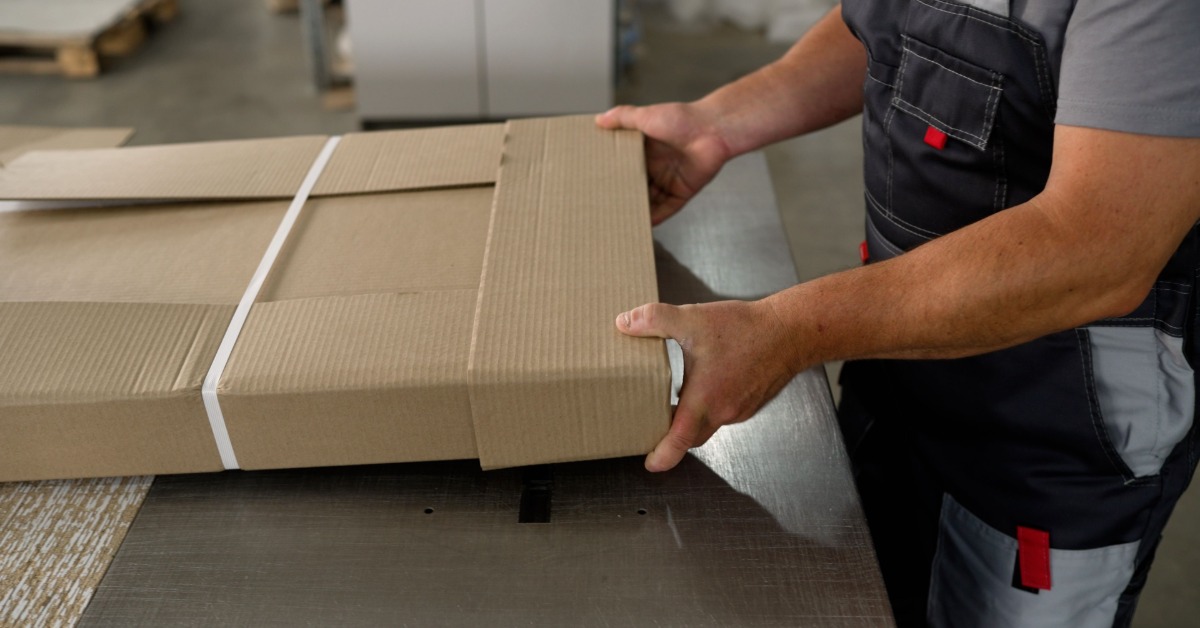
Businesses that rely on bulk packaging need confidence that their containers can handle demanding storage and transportation conditions. Double-wall Gaylord boxes are designed for heavier loads than standard corrugated containers, but their performance depends on more than material thickness alone. Manufacturers and suppliers use a variety of testing procedures to verify that these boxes can withstand compression, stacking pressure, and repeated handling throughout the supply chain.
Double-wall Gaylord box collapse test methods provide measurable data that helps businesses select packaging capable of protecting valuable products. These testing procedures reduce the risk of damaged goods, warehouse accidents, and costly shipping failures. Understanding how these evaluations work helps purchasing managers, warehouse supervisors, and logistics professionals choose packaging solutions that meet their operational requirements.
Why Collapse Testing Matters
Large corrugated bulk containers often carry thousands of pounds of products ranging from automotive components to recycled materials. During storage, these boxes may remain stacked for weeks or months before being moved. Transportation introduces additional stress from vibration, shifting loads, and repeated handling by forklifts.
Without proper testing, even a well-designed container can fail under unexpected conditions. A collapsed Gaylord box can damage products, interrupt production schedules, and create workplace safety hazards. Testing allows manufacturers to identify weaknesses before boxes enter service.
Reliable performance also improves warehouse efficiency. Boxes that maintain their structural integrity throughout storage reduce the need for repacking, product inspections, and replacement packaging. Businesses benefit from lower operating costs while maintaining consistent product protection.
Understanding Double-Wall Construction
Double-wall Gaylord boxes consist of two corrugated mediums bonded between three linerboards. This layered construction creates significantly greater strength than single-wall corrugated packaging while remaining lighter than many alternative bulk containers.
The combination of multiple corrugated layers distributes weight more evenly across the container. Instead of concentrating stress in a few locations, double-wall construction helps absorb compression forces throughout the box structure.
Material quality also influences performance. Corrugated flute profiles, linerboard strength, adhesive quality, and manufacturing precision all contribute to the finished container’s ability to withstand stacking pressure. Testing evaluates how these combined elements perform under real-world conditions rather than relying solely on material specifications.
Box Compression Testing
One of the most common evaluation methods is the box compression test. This procedure measures how much vertical force a Gaylord box can withstand before structural failure occurs.
During testing, an empty assembled box is placed between two large compression plates. The upper plate gradually applies downward pressure while specialized equipment records the amount of force being exerted. As pressure increases, technicians observe the container for signs of deformation, corner failure, or wall buckling.
The highest force achieved before collapse becomes the box’s compression strength rating. Manufacturers compare these results against expected warehouse stacking conditions to determine whether the container meets required performance standards.
Compression testing provides valuable information because warehouse stacking loads primarily create vertical pressure. A properly tested box gives buyers confidence that it can safely support additional containers placed above it.
Edge Crush Testing and Material Strength
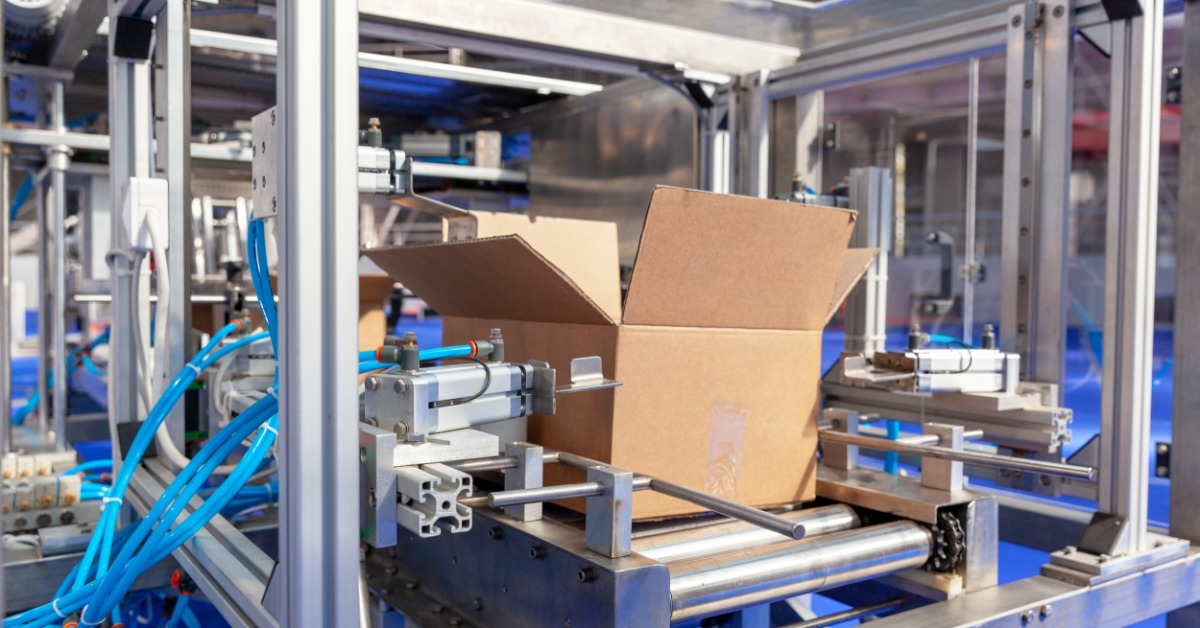
While box compression evaluates the finished container, Edge Crush Testing focuses on the corrugated board itself. Often referred to as ECT, this standardized test measures how much force the board edges can resist before crushing.
Small samples of corrugated material are placed vertically into testing equipment that applies increasing pressure until failure occurs. The resulting ECT rating helps estimate the overall stacking strength of finished containers.
Higher ECT ratings generally indicate stronger corrugated material capable of supporting heavier loads. However, material strength alone does not guarantee excellent box performance. Manufacturing quality, box dimensions, and design all influence final compression strength.
Many businesses use ECT ratings alongside compression testing results when selecting packaging for demanding industrial applications.
Stack Load Simulation
Warehouse conditions rarely involve a single static load. Boxes often remain stacked for extended periods while supporting significant weight from multiple containers above them.
Stack load simulation attempts to recreate these conditions in a controlled environment. Instead of applying pressure quickly, testing equipment maintains a constant load over extended periods. This allows technicians to evaluate how the box responds to sustained compression.
Long-duration testing helps identify gradual structural weakening that might not appear during short compression tests. Some corrugated materials slowly lose rigidity under continuous pressure, making time-based evaluations especially valuable for long-term warehouse storage.
These simulations provide a better understanding of how containers perform throughout actual distribution cycles rather than only during initial loading.
Environmental Conditioning Tests
Temperature and humidity significantly affect corrugated packaging performance. Moisture softens paper fibers, while changing environmental conditions can reduce compression strength.
Before conducting collapse evaluations, manufacturers often condition test samples under controlled temperature and humidity settings. Some tests expose boxes to elevated moisture levels before compression testing begins.
These procedures help determine whether containers maintain acceptable strength after exposure to realistic warehouse environments. Businesses storing products in humid climates or refrigerated facilities benefit from packaging that has been evaluated under similar conditions.
Environmental testing also assists companies transporting products across multiple geographic regions where climate conditions vary throughout the supply chain.
Dynamic Distribution Testing
Warehouses and shipping operations expose bulk containers to much more than static weight. Forklift handling, trailer vibration, sudden impacts, and repeated movement all contribute to packaging stress.
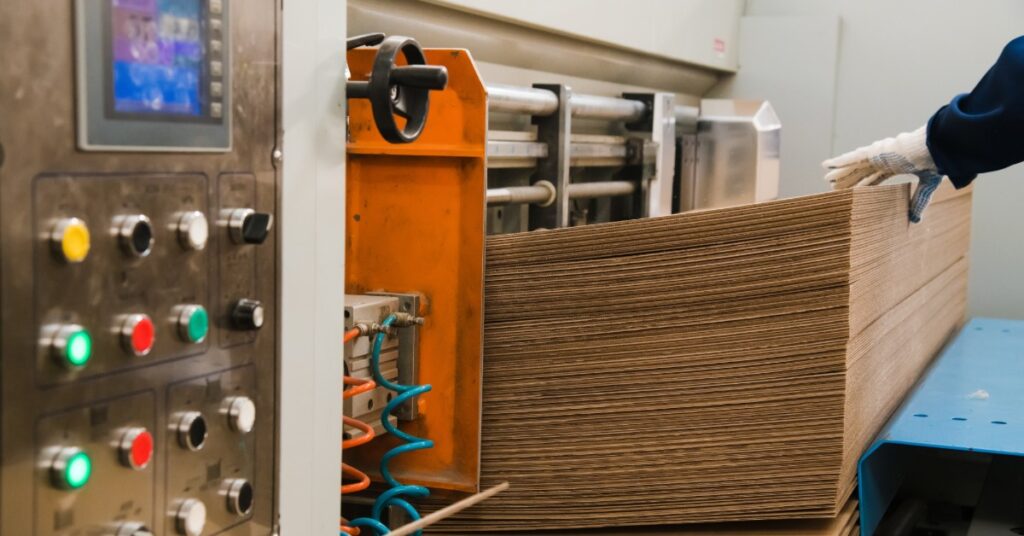
Dynamic distribution testing combines multiple performance evaluations into a comprehensive assessment. Containers may undergo vibration testing, impact testing, incline testing, and compression testing as part of a complete distribution simulation.
These procedures identify weaknesses that individual laboratory tests may overlook. For example, repeated vibration can loosen corrugated fibers, reducing compression strength before stacking even occurs.
Businesses transporting heavy industrial products often benefit from packaging that has successfully completed comprehensive distribution testing programs.
Factors That Influence Collapse Performance
Several variables determine whether a double-wall Gaylord box performs successfully during testing and actual use.
Box dimensions play an important role. Larger containers distribute weight differently than smaller ones, making proper design essential for maintaining strength.
Load distribution also affects performance. Even the strongest container may experience premature failure if heavy products create uneven pressure against sidewalls or corners.
Pallet quality contributes to overall stability as well. Uneven or damaged pallets create stress concentrations that reduce the effective compression strength of bulk containers.
Proper box assembly represents another critical factor. Incorrect folding, poorly secured bottoms, or improper loading techniques can significantly reduce structural performance even when using high-quality packaging.
Finally, selecting the appropriate container for each application remains essential. Businesses using cardboard Gaylord boxes should work with experienced packaging suppliers who understand both product weight requirements and warehouse storage conditions.
Test Your Boxes
Testing methods for evaluating the collapse resistance of double-wall Gaylord boxes play a vital role in ensuring bulk packaging performs reliably throughout storage and transportation. Compression testing, edge crush testing, stack load simulations, environmental conditioning, and dynamic distribution evaluations all contribute valuable insights into container performance.
For businesses handling heavy industrial products, selecting properly tested packaging helps improve safety, reduce product damage, and maintain efficient warehouse operations. Working with an experienced supplier ensures testing data is applied correctly, resulting in packaging solutions that support long-term operational success while controlling overall costs.
Posted by