

The packaging industry depends on efficiency, consistency, and scalability, especially when serving large businesses. The manufacturing process of wholesale bulk cardboard boxes is designed to meet high-volume demand while maintaining structural integrity and cost-effectiveness. From raw material sourcing to final assembly, each step is engineered to deliver reliable packaging solutions for industrial and retail operations.
Understanding this process helps businesses make informed purchasing decisions and optimize their packaging strategies. It also highlights why working with experienced suppliers can directly impact operational efficiency and shipping performance.
Raw Material Sourcing and Preparation
The process begins with sourcing the primary material: corrugated fiberboard. This material is created using a combination of recycled paper and virgin wood pulp, which are blended to achieve the desired strength and durability. The balance between recycled and new fibers depends on the intended use of the boxes and the level of protection required.
Once the raw materials are collected, they are processed into large rolls of paper known as linerboard and medium. Linerboard forms the flat outer layers of the box, while the medium is the inner fluted layer that provides cushioning and strength. These materials are essential for creating boxes that can withstand stacking, shipping, and handling across supply chains.
Manufacturers carefully control the quality of these materials to ensure consistency. This step is critical because any variation can affect the final product’s performance, especially when boxes are produced in large quantities.
Corrugation: Creating the Structural Core
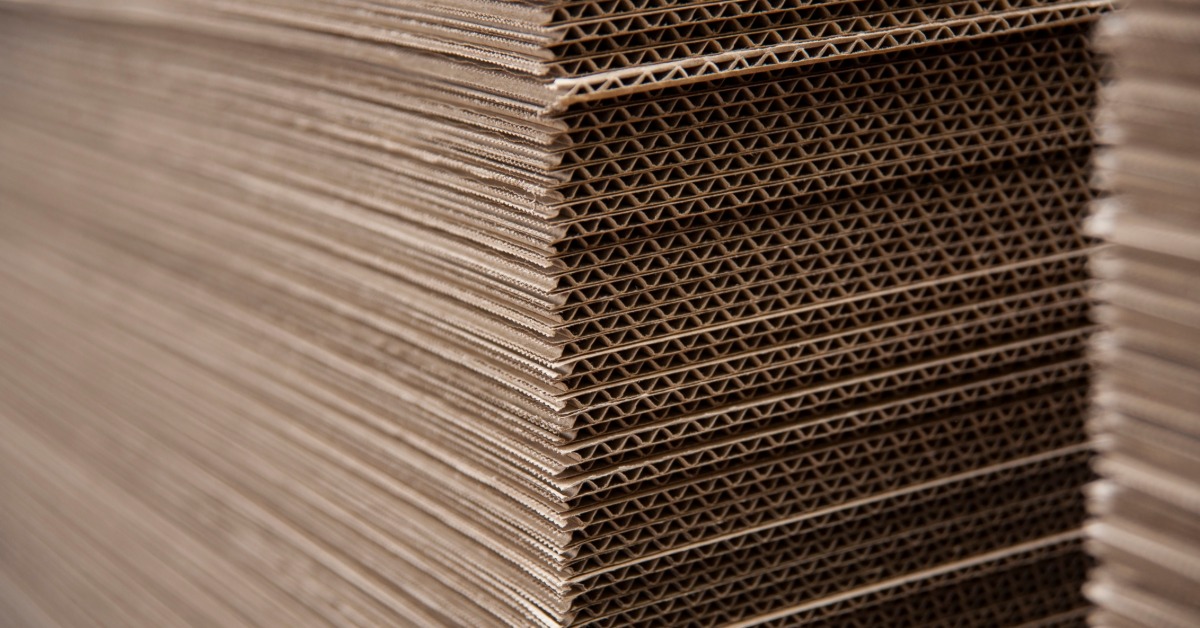
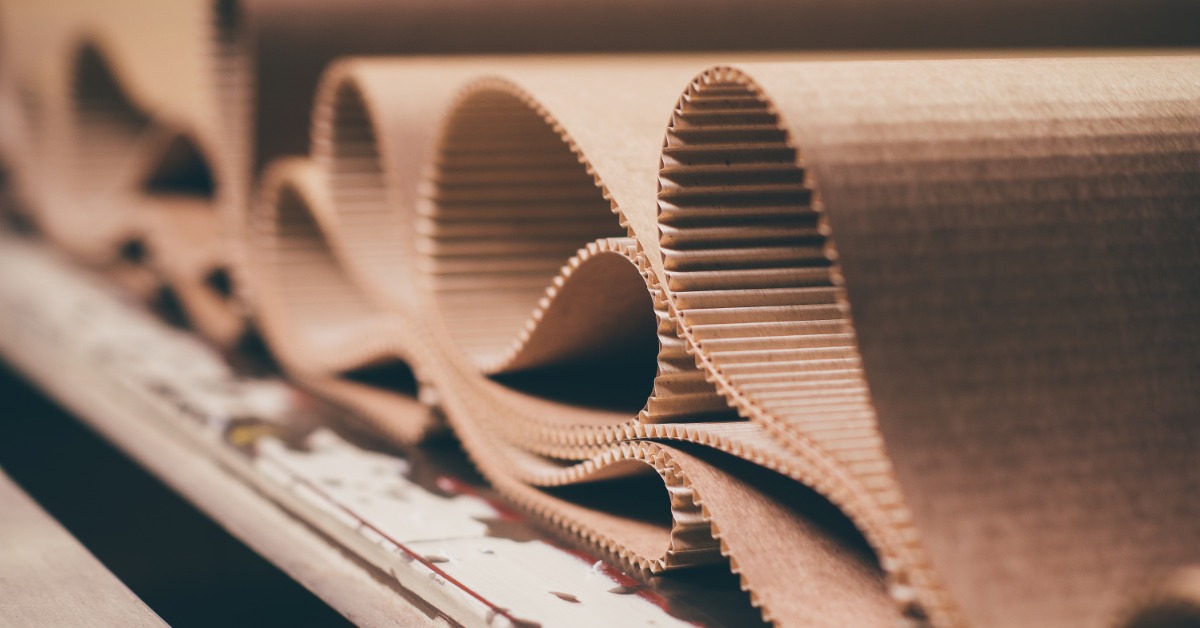
Corrugation is the step where the cardboard gains its signature strength. The medium paper is fed through corrugating rolls, which shape it into a series of arches or flutes. These flutes are then bonded between two sheets of linerboard using adhesives, forming a rigid yet lightweight structure.
The type of flute used can vary depending on the application. Larger flutes provide more cushioning, while smaller flutes offer a smoother surface for printing and branding. For wholesale production, manufacturers often standardize flute types to streamline operations and maintain consistent output.
This stage is highly automated, allowing manufacturers to produce continuous sheets of corrugated board at high speeds. The result is a durable material that balances protection with cost efficiency, making it ideal for bulk packaging needs.
Cutting and Shaping the Sheets
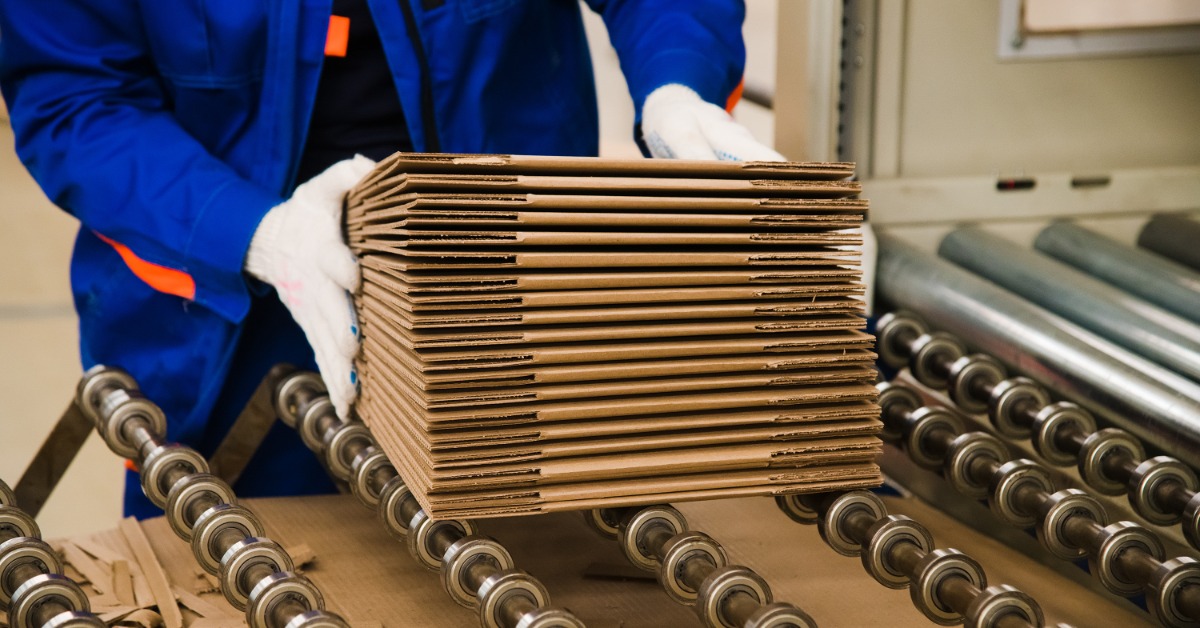
Once the corrugated board is formed, it moves to the cutting and shaping phase. Large sheets are trimmed to specific sizes based on the box dimensions required. Precision is essential here, as even minor deviations can lead to inefficiencies during assembly or issues with product fit.
Die-cutting machines are used to create the box outlines, including flaps, slots, and fold lines. These machines use custom dies to stamp out exact shapes, ensuring uniformity across thousands of units. This consistency is especially important for businesses that rely on standardized packaging for automated packing lines.
At this stage, manufacturers can also incorporate custom features such as handles or specialized inserts. However, for most wholesale bulk orders, the focus remains on producing standard designs that maximize efficiency and reduce costs.
Printing and Branding Applications
For businesses looking to enhance their packaging, printing is integrated into the manufacturing process. Flexographic printing is commonly used for bulk orders because it is fast, cost-effective, and capable of producing clear, durable graphics.
Ink is applied directly to the corrugated surface, allowing for logos, handling instructions, and branding elements to be added without slowing down production. While high-end printing options exist, most wholesale orders prioritize functionality and readability over complex designs.
Printing at this stage ensures that all boxes are ready for immediate use upon delivery. This eliminates the need for additional labeling or customization after production, saving time and labor for businesses managing large inventories.
Folding, Gluing, and Assembly
After cutting and printing, the flat sheets are folded into their final box shapes. Automated folding machines crease the board along pre-scored lines, ensuring clean and accurate folds. Adhesives or stitching are then applied to secure the box structure.
For many wholesale orders, boxes are shipped flat to save space and reduce transportation costs. This approach allows businesses to store large quantities of packaging without requiring excessive warehouse space. When needed, the boxes can be quickly assembled on-site.
The efficiency of this stage is a key factor in the overall manufacturing process. High-speed machinery enables manufacturers to produce thousands of boxes per hour, meeting the demands of businesses that need reliable packaging at scale.
Quality Control and Testing
Quality control is integrated throughout the entire process, but it becomes especially important before the boxes are finalized and shipped. Manufacturers conduct a series of tests to ensure that the boxes meet performance standards.
These tests may include compression testing to evaluate stacking strength, burst testing to measure resistance to pressure, and edge crush testing to assess durability. Each test is designed to simulate real-world conditions, ensuring that the boxes can handle transportation and storage challenges.
Consistent quality is critical for businesses that rely on packaging to protect their products. A single failure can lead to damaged goods, increased costs, and disruptions in the supply chain. This is why reputable suppliers invest heavily in quality assurance processes.
Packaging and Distribution at Scale
Once the boxes pass quality checks, they are bundled and prepared for distribution. For wholesale orders, efficiency in packaging and logistics is just as important as the manufacturing process itself. Boxes are typically stacked and palletized to maximize space and ensure safe transportation.
Distribution networks are optimized to deliver large quantities quickly, especially for businesses operating in high-demand industries. Reliable delivery timelines help companies maintain inventory levels and avoid production delays.
For companies looking to buy boxes in bulk, working with a supplier that understands large-scale logistics is essential. Fast turnaround times and consistent availability can make a significant difference in operational efficiency.
Sustainability Considerations in Manufacturing
Sustainability has become a major focus in the packaging industry, and the manufacturing process reflects this shift. Many manufacturers prioritize the use of recycled materials and environmentally friendly adhesives to reduce their environmental impact.
Corrugated cardboard is inherently recyclable, making it a preferred choice for businesses aiming to meet sustainability goals. Additionally, efficient manufacturing processes help minimize waste, further contributing to eco-friendly practices.
By choosing suppliers that emphasize sustainable production, businesses can align their packaging strategies with environmental initiatives without compromising on performance or cost.
Why the Manufacturing Process Matters for Your Business
The efficiency and precision behind how wholesale bulk cardboard boxes are produced at scale directly impact your business operations. High-quality manufacturing ensures that boxes perform as expected, reducing the risk of product damage and improving overall supply chain reliability.
Understanding this process also highlights the importance of partnering with experienced suppliers. Companies like United Container Co have the expertise and infrastructure to deliver consistent, high-volume packaging solutions tailored to industrial and retail needs.
For businesses in the $50–100 million revenue range, packaging is more than just a necessity. It is a critical component of logistics, branding, and cost management. Choosing the right supplier and understanding how your boxes are made can lead to measurable improvements in efficiency and profitability.
Next Steps
The manufacturing process behind wholesale bulk cardboard boxes is a combination of advanced technology, material science, and logistical expertise. Each step, from raw material preparation to final distribution, is designed to deliver durable and cost-effective packaging at scale.
Businesses that take the time to understand this process are better equipped to make strategic decisions about their packaging needs. Whether the goal is to improve efficiency, reduce costs, or enhance product protection, the right approach starts with knowledge.
If your operation requires dependable packaging solutions, now is the time to evaluate your current supplier and explore options that offer both quality and scalability.
Posted by