

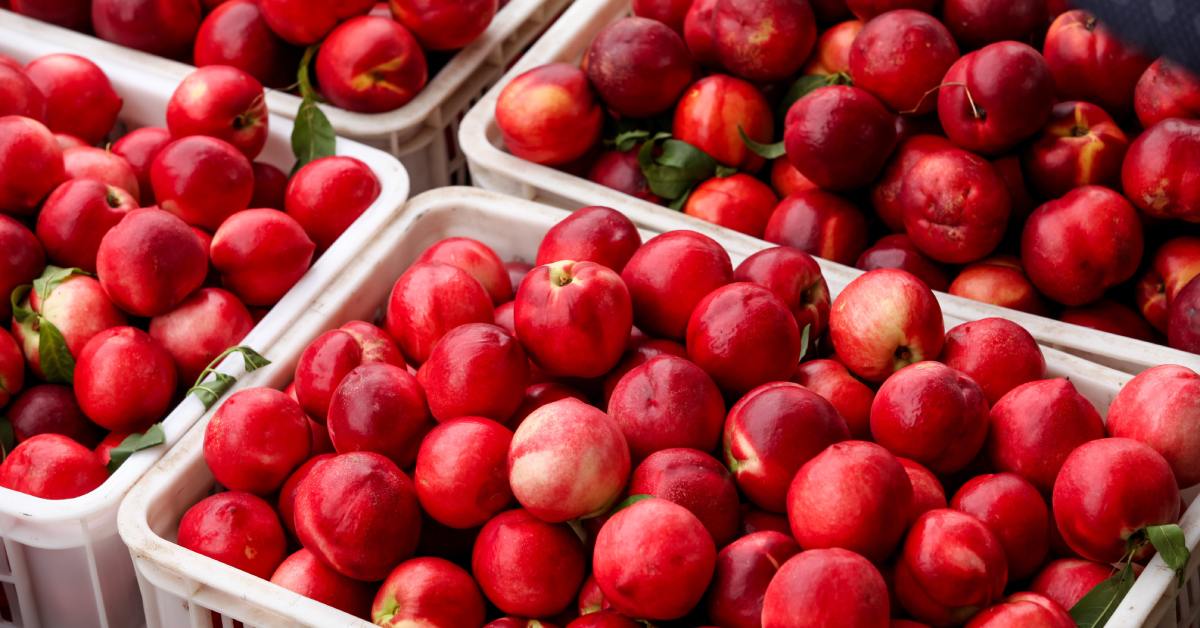
From orchards and vegetable fields to distribution centers and grocery stores, produce bulk bins play a vital role in the agricultural supply chain. These large, durable containers are specifically designed to handle the weight, volume, and sensitivity of fresh fruits and vegetables. While they may appear simple at first glance, the manufacturing process and design features behind produce bulk bins are carefully engineered to protect crops, improve efficiency, and reduce waste.
Understanding produce bulk bins, how they’re made, and the benefits they provide can help growers, distributors, and retailers make informed decisions that support productivity and product quality.
What Are Produce Bulk Bins?
Corrugated produce boxes are large containers used to harvest, store, and transport fresh fruits and vegetables in high volumes. They are commonly used for apples, citrus, potatoes, onions, squash, and other durable crops, though they can also be adapted for more delicate produce with proper handling.
These bins are typically stackable, allowing them to maximize vertical storage space in warehouses and refrigerated facilities. They are designed to withstand heavy loads while maintaining structural integrity, even when stacked multiple units high. Depending on the application, produce bulk bins can be made from wood or plastic, with each material offering unique advantages.
The purpose of these bins goes beyond simple containment. They are built to support airflow, protect against contamination, and withstand repeated use in demanding agricultural environments.
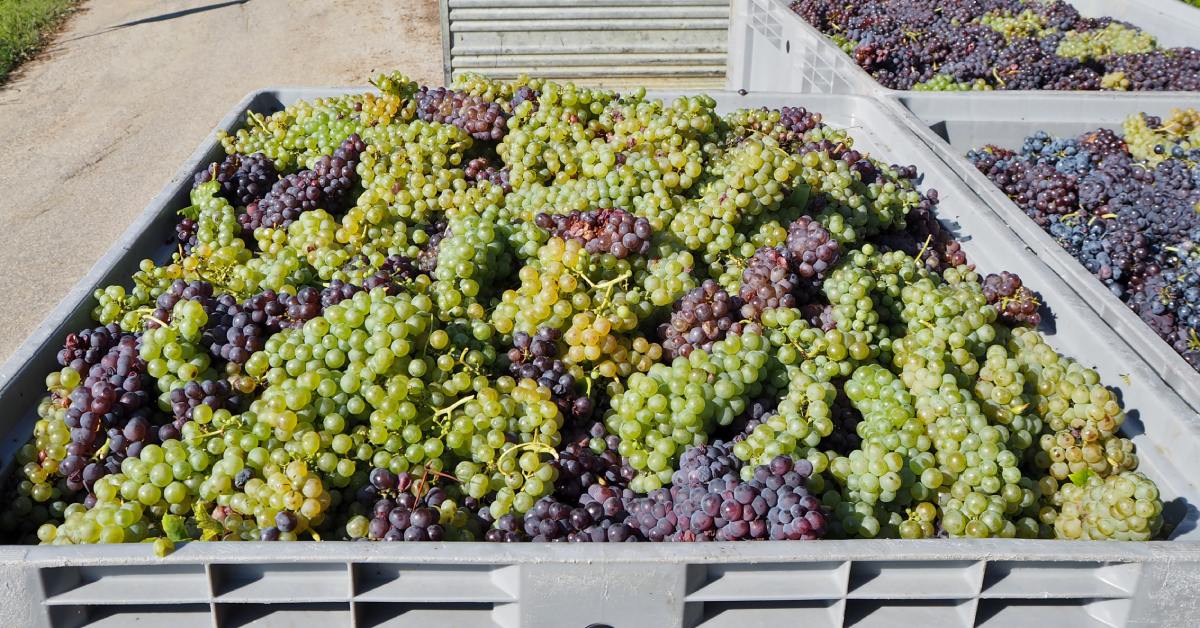
The Manufacturing Process of Wooden Produce Bulk Bins
Wooden produce bulk bins have been a staple in agriculture for decades. Their manufacturing process begins with selecting high-quality lumber, often hardwood or treated softwood, that can withstand moisture and heavy loads.
The wood is cut and shaped into panels, slats, and supports according to precise dimensions. The slatted design is intentional, allowing air to circulate through the bin. This airflow is especially important for produce that continues to respire after harvest, such as apples and onions. Proper ventilation helps regulate temperature and reduce spoilage during storage.
Once the components are prepared, they are assembled using heavy-duty nails or screws. Reinforced corner posts and base supports ensure that the bin can handle the weight of thousands of pounds of produce. Some wooden bins are heat-treated to meet international shipping regulations and reduce the risk of pest transfer.
While wooden bins are durable and cost-effective, they do require maintenance. Over time, exposure to moisture and heavy use can lead to wear, making proper storage and inspection essential.
The Manufacturing Process of Plastic Produce Bulk Bins
Plastic produce bulk bins have gained popularity due to their durability, sanitation benefits, and long lifespan. These bins are typically manufactured using high-density polyethylene or similar food-grade plastics.
The most common manufacturing method is injection molding. In this process, molten plastic is injected into a mold shaped like the bin. Once cooled, the plastic solidifies into a single, seamless structure. This one-piece construction enhances strength and eliminates gaps or joints that could trap debris or moisture.
Some plastic bins are produced using structural foam molding, which creates a thicker, more rigid container while reducing weight. Reinforced bases and walls are incorporated into the mold design to ensure the bin can support heavy loads and repeated stacking.
Ventilation slots can be molded directly into the sides and bottom of the bin. These slots allow air circulation while maintaining structural integrity. The result is a container that is resistant to impact, moisture, and many chemicals commonly used in cleaning and sanitation processes.
Plastic bins often feature smooth interior surfaces, which make them easier to clean and sanitize compared to wood. This is particularly valuable for operations that prioritize food safety and compliance with strict regulations.
The Role of Cardboard Produce Bulk Bins
In addition to wooden and plastic options, cardboard produce bulk bins play an important role in the agricultural supply chain. These bins, typically made from heavy-duty corrugated fiberboard, are designed to handle substantial weight while remaining lightweight and cost-effective. They are widely used for seasonal shipments, export operations, and retail-ready displays.
Cardboard produce bins are manufactured using multiple layers of corrugated board, often double- or triple-wall construction, to provide added strength and durability. The fluted inner layers create cushioning and structural support, allowing the bin to carry hundreds or even thousands of pounds of produce depending on its design. Reinforced corners and thick base panels help distribute weight evenly and maintain stability during stacking and transport.
Design Considerations That Protect Produce
The design of produce bulk bins is carefully engineered to protect crops from damage during harvest and transport. Structural strength is essential, but so is thoughtful detailing.
Rounded interior corners help reduce bruising for delicate fruits. Ventilation openings are strategically placed to promote consistent airflow without compromising strength. Stackability is another critical design feature. Bins must align securely when stacked to prevent tipping or shifting during transport.
Load capacity is also a key consideration. Produce bulk bins are designed to carry substantial weight, sometimes exceeding 1,000 pounds. Reinforced bases ensure that forklifts can lift and move them without causing structural damage.
Temperature control is another factor in bin design. Proper airflow helps maintain consistent cooling in cold storage facilities, which is crucial for extending shelf life and preserving quality.
Operational Benefits for Growers
For growers, produce bulk bins offer immediate operational advantages. During harvest, these bins allow for efficient collection of crops directly from the field. Their large capacity reduces the need for frequent unloading, saving time and labor.
Durability is another major benefit. High-quality bins can withstand rough field conditions, repeated handling, and exposure to weather. This longevity reduces replacement costs over time, making them a practical investment.
The stackable nature of bulk bins also helps optimize storage space in packing houses and cold storage facilities. By maximizing vertical space, growers can store more product in a smaller footprint.
Additionally, standardized bin sizes streamline logistics. When bins are uniform in size and shape, they integrate seamlessly with forklifts, pallet jacks, and automated systems, increasing efficiency throughout the operation.
Advantages for Distributors and Retailers
The benefits of produce bulk bins extend beyond the farm. Distributors rely on these containers to transport large quantities of produce safely and efficiently. The sturdy construction protects goods from crushing and shifting during transit.
Ventilated designs help maintain airflow during transportation, which is essential for temperature-sensitive items. This airflow reduces the risk of spoilage and helps ensure that produce arrives in peak condition.
For retailers, bins can simplify handling in back-of-house operations. Standardized containers allow for quick unloading and organized storage. Plastic bins, in particular, offer sanitation advantages that align with food safety standards.
Some retailers also use bulk bins for display purposes in warehouse-style stores. Their rugged design and large capacity make them suitable for presenting produce in a way that encourages high-volume sales.
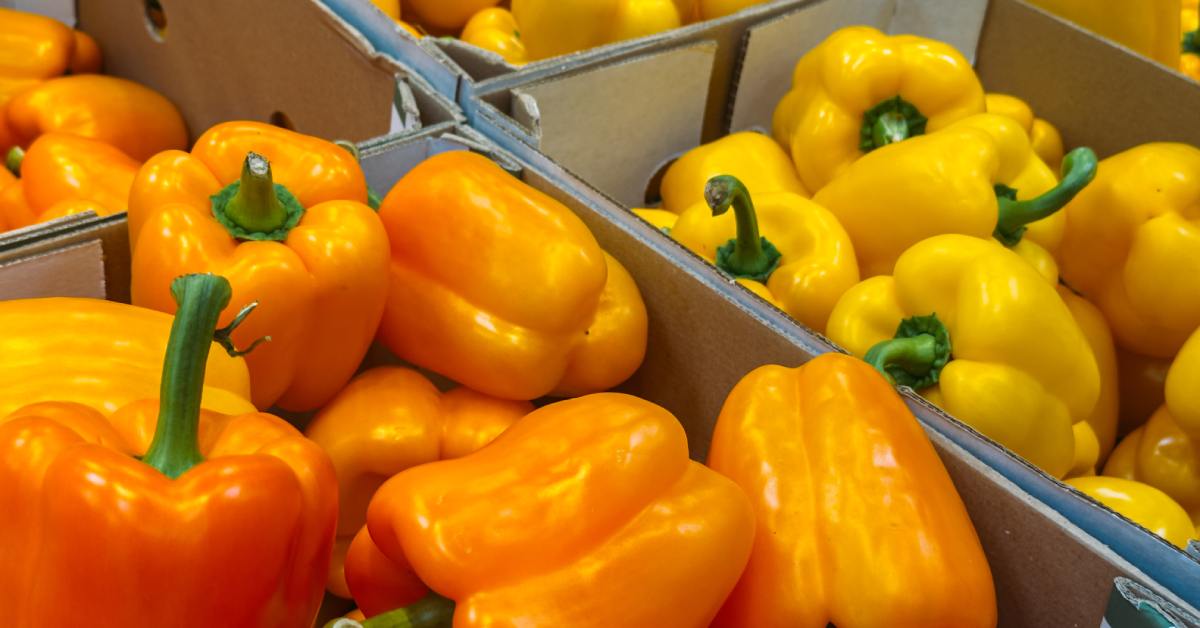
Choosing the Right Produce Bulk Bin
Selecting the right bulk bin depends on several factors, including crop type, storage conditions, sanitation requirements, and budget. Cardboard bins may be suitable for operations that prioritize affordability and traditional handling methods. Plastic bins may be preferred in environments where hygiene, longevity, and minimal maintenance are top priorities.
Consideration should also be given to ventilation needs, load capacity, and compatibility with existing equipment. Investing in high-quality bins that align with operational goals can improve efficiency and protect product quality for years to come.
Working with reputable manufacturers ensures that bins meet industry standards and are constructed with reliable materials. Proper training on handling and maintenance further extends the lifespan of these containers.
The Long-Term Value of Produce Bulk Bins
Understanding produce bulk bins means realizing they’re more than simple storage containers. They are essential tools that support every stage of the agricultural supply chain, from harvest to retail. Thoughtful manufacturing processes ensure strength, durability, and airflow, while smart design features protect crops and streamline operations.
By reducing waste, improving efficiency, and supporting food safety, these bins deliver long-term value to growers, distributors, and retailers alike. Understanding how they are made and the benefits they offer makes it clear why produce bulk bins remain a cornerstone of modern agriculture.
Posted by