


Static electricity creates real risk for electronics manufacturers. A small discharge during packaging or transit can damage sensitive components, increase product failures, and lead to costly returns. Electronics firms address this challenge with purpose-built box inserts designed to control static and stabilize products throughout the supply chain. For manufacturers shipping in volume, static protection is not a nice-to-have; it is a core part of packaging strategy tied directly to quality control, brand reputation, and cost management. If your company struggles with protecting your product, then it’s important to learn how electronics firms reduce static with box inserts.
Why Static Is a Serious Packaging Issue for Electronics
Electronic components are highly susceptible to electrostatic discharge, often called ESD. This discharge can occur through friction, movement, or contact with standard packaging materials. Damage caused by ESD is not always visible, which makes it especially expensive for manufacturers dealing with delayed failures and warranty claims.
As production volumes grow, so does the risk. More handling, more movement, and longer shipping distances increase the chances of static buildup. Electronics firms reduce this exposure by integrating static-control materials directly into their packaging systems.
The Role of Box Inserts in Static Control
Box inserts are internal packaging components designed to hold products in place and create separation between sensitive parts and external surfaces. In electronics packaging, inserts are engineered to dissipate static safely instead of allowing it to build or discharge suddenly.
These inserts work by limiting movement, reducing friction, and using materials that either conduct static away or prevent charge buildup altogether. When paired with the right outer box, inserts become part of a complete ESD-safe packaging solution.
Anti-Static Materials Commonly Used in Inserts
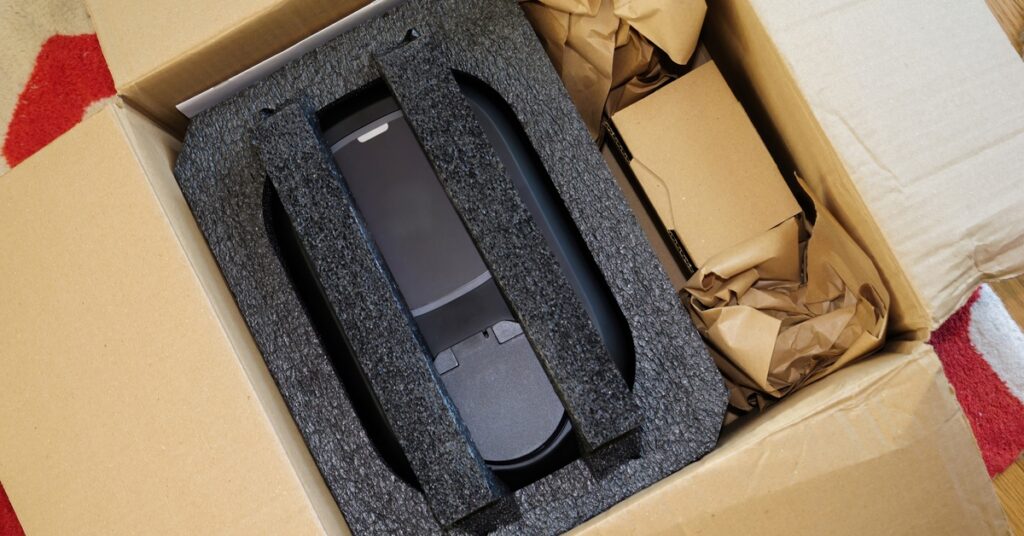
Electronics firms rely on several proven materials to reduce static risk inside shipping boxes. Anti-static foam is widely used because it cushions delicate parts while dissipating electrical charges gradually. Conductive foam goes a step further by channeling static away from components entirely.
Corrugated inserts treated with anti-static coatings are another common solution. These inserts provide structure and separation while remaining compatible with bulk shipping and palletized loads. Each material choice depends on product sensitivity, shipping conditions, and cost targets.
How Inserts Prevent Damage During Transit
Static reduction is only one part of the equation. Inserts also protect electronics by controlling movement during shipping. Vibration, shifting, and impact increase friction, which can generate static even in controlled environments.
Well-designed inserts lock products into position. This stability minimizes contact between components and packaging surfaces, reducing both mechanical damage and static generation. For electronics firms shipping high volumes, this consistency translates into fewer damaged units and more predictable outcomes.
Custom Fit Inserts Improve Static Protection
One-size-fits-all packaging rarely works for electronics. Custom-fit inserts are designed around specific products, which reduces excess space and unnecessary movement inside the box. Less movement means less friction and lower static risk.
Custom inserts also support efficient packing lines. Products load quickly, align correctly, and maintain consistent orientation. That efficiency matters for manufacturers focused on throughput, labor costs, and on-time delivery.
Static Control and Compliance Requirements
Many electronics firms operate under strict quality and compliance standards. Packaging must support internal ESD control programs and align with customer or industry requirements. Box inserts designed for static reduction help maintain those standards from the warehouse to the end user.
Using approved materials and repeatable packaging designs simplifies audits and reduces variability. It also demonstrates a commitment to product integrity, which is increasingly important in competitive B2B markets.
Cost Savings Linked to Better Static Protection
Reducing static damage has a direct financial impact. Fewer damaged components mean fewer returns, less rework, and lower warranty costs. Over time, the savings from improved packaging often outweigh the incremental cost of specialized inserts.
Electronics firms shipping in bulk benefit even more. Small reductions in damage rates compound quickly when volumes are high. Inserts that protect products effectively help stabilize margins and support long-term growth.
The Importance of Packaging at Scale
Electronics manufacturers operating in the industrial and retail space need packaging solutions that scale. Box inserts must perform consistently across thousands of shipments while remaining easy to source and fast to deliver.
Corrugated and foam insert systems are well suited for this environment. They integrate smoothly with standard boxes, support palletized shipping, and align with high-volume logistics operations. That scalability is essential for firms managing regional or multi-state distribution.
Sustainability Considerations in Insert Design
Static control does not have to conflict with sustainability goals. Many electronics firms choose inserts made from recyclable or reusable materials. Corrugated inserts, in particular, offer a balance between protection, performance, and environmental responsibility.
Reusable inserts also support closed-loop systems where packaging returns to the manufacturer for repeated use. This approach reduces waste while maintaining consistent static protection across multiple shipping cycles.
Choosing the Right Packaging Partner
Effective static reduction depends on more than materials alone. Electronics firms benefit from working with packaging partners who understand industrial shipping, bulk volumes, and the realities of fast-moving supply chains.
A knowledgeable partner helps match insert design to product needs, shipping conditions, and budget constraints. That guidance reduces trial and error and shortens the path to reliable, repeatable packaging performance.

Static Protection Supports Brand Confidence
Customers expect electronics to arrive ready for use. Failures tied to shipping damage undermine trust and create friction in B2B relationships. Box inserts that reduce static help protect not just products, but reputations.
Consistent packaging quality signals professionalism and reliability. It reinforces the value of the product and the credibility of the manufacturer behind it.
Moving Forward With Smarter Packaging
Electronics firms continue to face pressure to ship faster, reduce costs, and protect increasingly sensitive components. Box inserts designed to reduce static are a proven tool for meeting those demands.
By investing in the right insert materials and designs, manufacturers strengthen their packaging systems from the inside out. The result is fewer losses, smoother operations, and packaging that supports growth instead of limiting it.
Ready to Improve Static Protection in Your Packaging
Reducing static with box inserts is something electronics firms must consider and works best when it is designed for real-world shipping conditions and real production volumes. The right box inserts make a measurable difference in product protection and operational efficiency.
United Container Co. helps businesses source packaging solutions that perform at scale. Contact our team to discuss our custom cardboard shipping boxes.
Posted by