

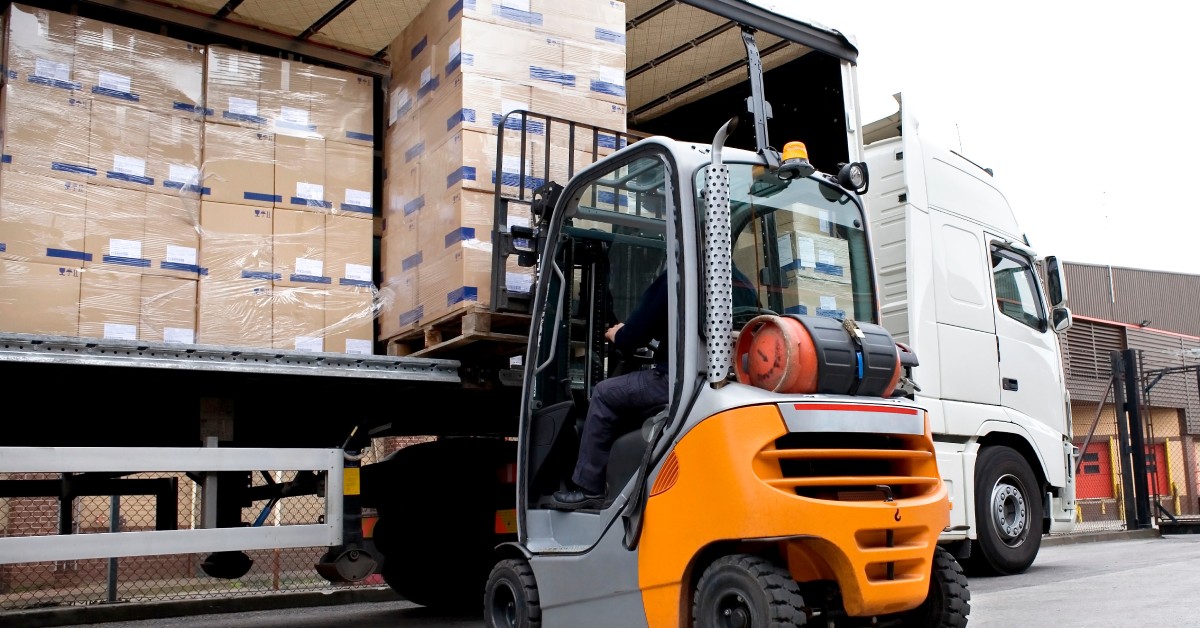
Efficient and secure transportation is a critical concern for chemical suppliers. When dealing with powders, maintaining product integrity while minimizing risks and adhering to regulations becomes challenging. One of the most reliable methods for transporting such materials involves the use of Gaylord boxes. These large, durable boxes ensure safe handling and storage, making them indispensable for the chemical industry. For chemical suppliers, transporting powders in Gaylord boxes is a crucial part of enhancing business operations and safety.
Why Gaylord Boxes Are Ideal for Transporting Powders
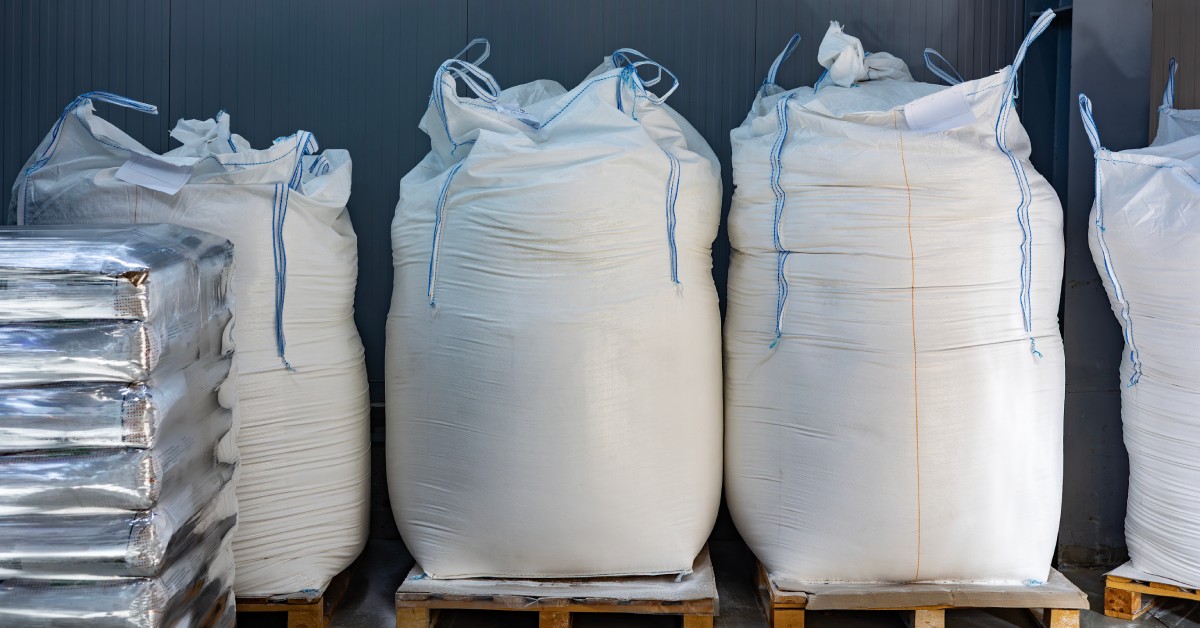
Gaylord boxes, also known as bulk bins, are industrial-grade containers renowned for their durability and adaptability. These boxes are constructed from corrugated cardboard or plastic and are engineered to carry heavy loads, making them particularly suitable for powders that require bulk transport. Unlike smaller containers, corrugated Gaylord boxes provide ample space for large quantities of material, reducing the number of shipments needed and minimizing logistical costs.
Another advantage lies in their protective design. The structure of a Gaylord box is resistant to external pressures, minimizing the likelihood of damage to the contents during transit. For chemical powders, which are often sensitive to moisture and contamination, Gaylord boxes act as an additional safeguard, especially when paired with appropriate liners or inner packaging.

Ensuring Regulatory Compliance in Transport
Transporting powders in Gaylord boxes involves navigating a complex web of regulations. Chemical suppliers must adhere to national and international standards, particularly when dealing with hazardous or sensitive materials. Compliance ensures not only the safety of the transported goods but also the protection of personnel, the environment, and end-users.
The use of Gaylord boxes for transporting powders must align with guidelines established by regulatory bodies such as the US Department of Transportation (DOT) or the International Maritime Organization (IMO) for shipping hazardous materials. Suppliers should ensure the boxes are properly labeled and marked to reflect the contents and any associated risks. Documentation, such as safety data sheets (SDS), also plays an integral role in supporting compliance efforts.
Best Practices for Filling Gaylord Boxes With Powders
Proper filling techniques are indispensable for the safe transportation of powders in Gaylord boxes. To prevent spillage and maintain product quality, the material should be evenly distributed within the box. Overfilling a Gaylord box can lead to structural damage or leakage, while underfilling may cause shifting during transportation, increasing the risk of material loss.
Using liners or inner bags is highly recommended to prevent direct contact between the powders and the box itself. Liners made of polyethylene or similar materials create a barrier against moisture and contamination, especially when transporting powders that are hygroscopic or reactive to environmental conditions. Once the liner is filled, it should be securely sealed to prevent any leaks during transit.
Securing the outer box is equally important. Strapping, taping, or banding the Gaylord box helps reinforce its structure and keeps the lid firmly in place. For added protection during transport, stacking Gaylord boxes on pallets while using stretch wrap ensures stability and ease of handling.
Managing Risks During Transportation
Transporting chemical powders always carries some degree of risk. While Gaylord boxes provide an excellent solution for bulk material transport, suppliers must take additional precautions to address potential challenges. The risk of contamination, for example, can be mitigated by implementing cleanliness protocols across the supply chain. Both the boxes and liners should be inspected for damage or contamination before use.
Spillage and leakage are other common concerns. If a Gaylord box is punctured during transit, it could result in the loss of goods or even hazardous exposure. Proper handling techniques, combined with secure packaging, are essential for reducing this risk. Additionally, during transportation, ensuring a stable environment, such as avoiding high humidity and temperature fluctuations, can help maintain the integrity of sensitive powders.
Chemical suppliers can also invest in tracking systems to better oversee shipments. GPS tracking and sensors that monitor environmental conditions, such as temperature and humidity, provide critical data that helps ensure powders arrive at their destination in optimal condition. These technologies not only enhance quality control but also reinforce customer confidence.
Sustainability Considerations in Using Gaylord Boxes
Sustainability is increasingly becoming a priority for the chemical industry, and the use of Gaylord boxes presents several advantages from an environmental perspective. Many Gaylord boxes are made from recycled materials and can be reused multiple times, significantly reducing waste. For suppliers looking to improve their sustainability efforts, this makes them an eco-friendly choice, especially when compared to single-use containers.
Recycling is another critical factor. At the end of their life cycle, Gaylord boxes made from corrugated cardboard can often be recycled. Partnering with recycling facilities ensures proper disposal, further minimizing the environmental impact. Chemical suppliers can also opt for suppliers offering fully recyclable liners and adhesives, enhancing their commitment to greener practices.
The Role of Training and Communication
Safe and efficient transportation of powders begins with well-trained personnel. Employees responsible for filling, handling, and shipping Gaylord boxes need to be equipped with the proper knowledge to ensure they adhere to safety and efficiency standards. Training programs should emphasize regulatory compliance, proper sealing of liners, and safe forklift handling to minimize risks during transport.
Open communication across all levels of the supply chain is equally important. Suppliers, transporters, and recipients must work cohesively to address potential issues and prevent delays. Detailed information about the contents, including any hazardous properties, should be shared to ensure that all parties take necessary precautions during every stage of the shipping process.
Meeting Customer Expectations With Gaylord Boxes
Customers depend on chemical suppliers to deliver high-quality products securely and efficiently. The use of Gaylord boxes helps suppliers meet these expectations by ensuring powders maintain their quality throughout transportation. The reliability and cost-effectiveness of Gaylord boxes translate to more predictable and timely deliveries, which strengthens customer satisfaction.
Transparency around packaging and handling methods also builds trust. Chemical suppliers who proactively communicate their safety measures and adherence to environmental sustainability earn a competitive advantage, setting them apart in a market where responsible practices are increasingly valued.
Ideal Transportation
Transporting powders in Gaylord boxes has become a standard for the chemical industry due to its practicality, efficiency, and ability to safeguard materials. By following best practices, adhering to regulations, and prioritizing risk management, chemical suppliers can ensure their products arrive in pristine condition. With the added benefits of sustainability and customer satisfaction, it is no surprise that Gaylord boxes remain a trusted solution for bulk material handling in the industry.
Posted by