

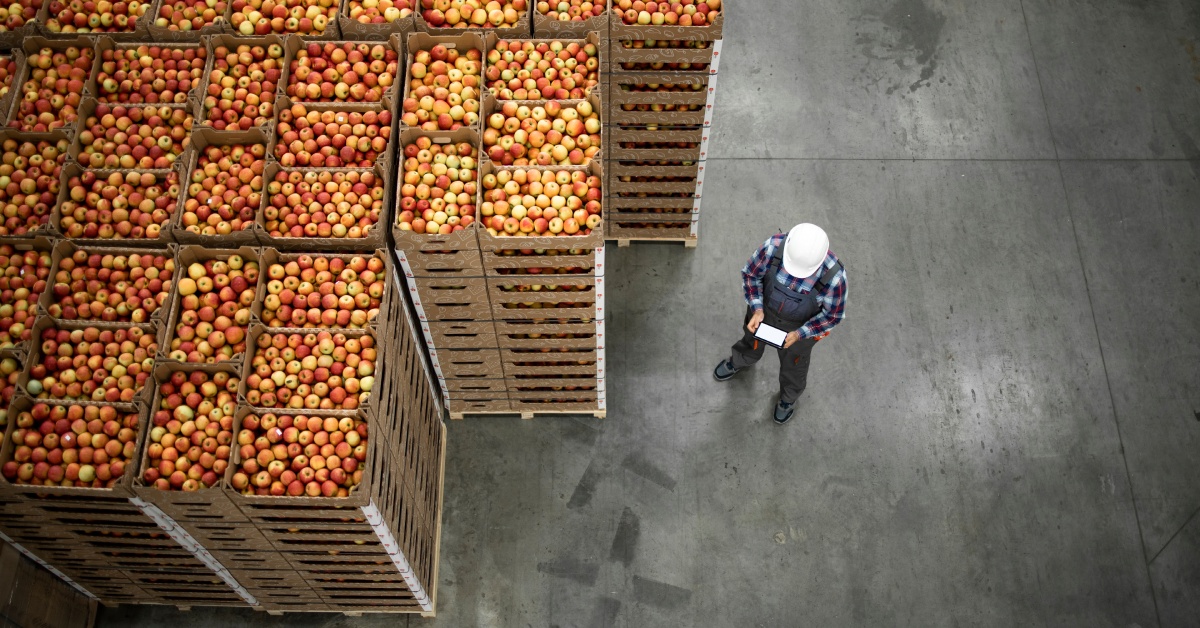
The agricultural supply chain plays a crucial role in the global food system, ensuring that crops and other agricultural products are efficiently transported from farms to markets or storage facilities. Packaging materials are central to this process, as they not only protect products during transit but also influence costs, environmental sustainability, and market appeal. Among the options available, cardboard and plastic are two prominent materials widely used in agricultural supply chains. Each comes with its own set of advantages and drawbacks. When you need to make decisions on which material to use, it’s essential to understand cardboard vs. plastics in agricultural supply chains.
Cost Efficiency and Economic Considerations
Cost is a major driving factor in the decision-making process for packaging materials. Cardboard is often seen as a cost-effective solution, particularly when purchased in bulk. It is widely available, relatively inexpensive to produce, and can be customized for specific packaging needs. Additionally, cardboard is lightweight, which can contribute to reduced shipping costs.
On the other hand, while plastic may have a higher upfront cost, its durability and reusability can offset these initial expenses over time. Plastic crates and containers used in agriculture are often designed to be stackable and reusable, reducing the need for frequent replacements. This can be particularly advantageous for businesses aiming to optimize their supply chain efficiency and reduce long-term operational costs. Ultimately, the choice between cardboard and plastic should align with a company’s budget constraints and usage frequency.
Durability and Product Protection
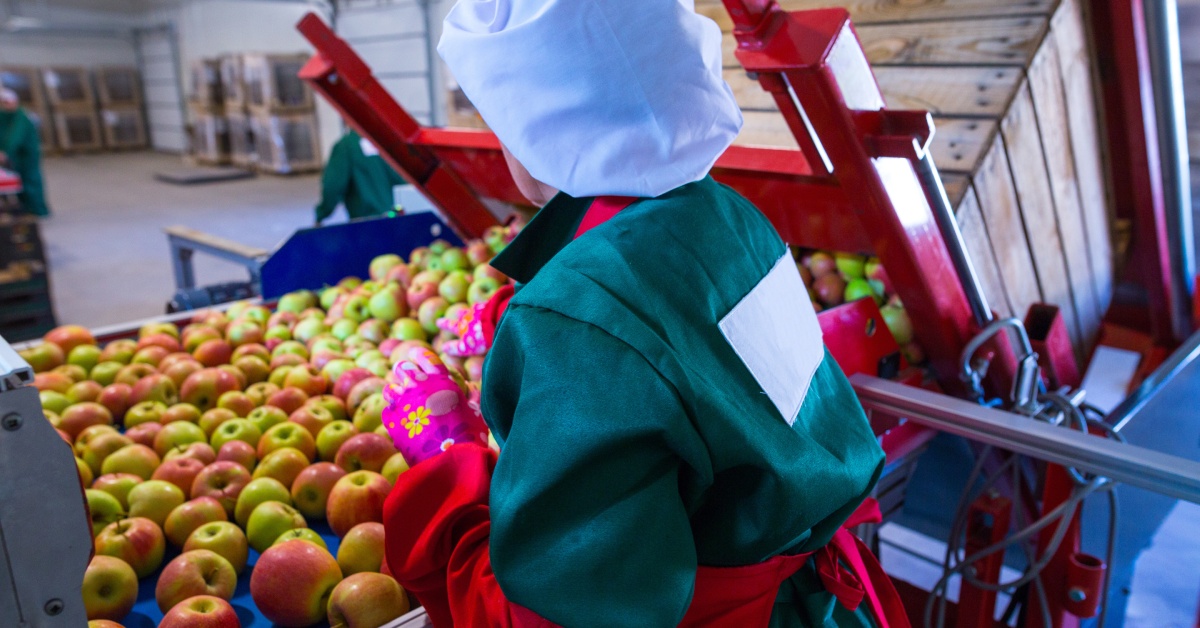
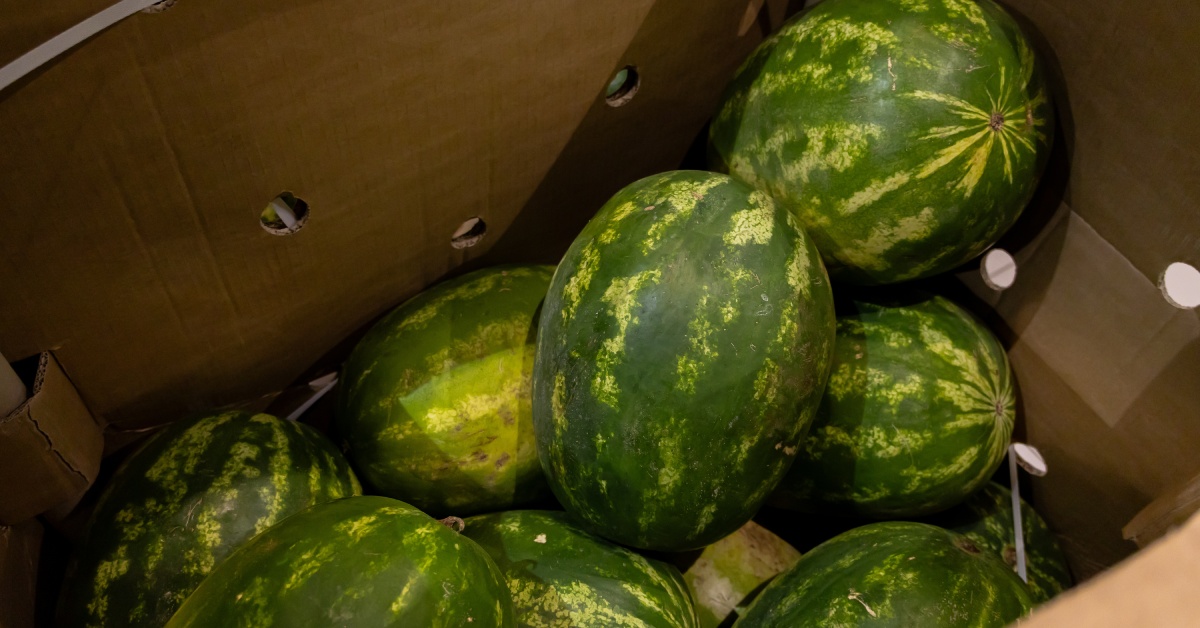
Durability is a critical factor in agricultural supply chains, as fresh produce and other agricultural goods require robust protection against damage during handling and transit. Cardboard is suitable for single-use applications and works well for lightweight products that are less likely to be damaged. While many may see cardboard as easily susceptible to damage, that is not the case when dealing with reinforced shipping boxes. Cardboard can easily survive transit without risking the content inside.
Plastic, by contrast, is far more durable and resilient to adverse conditions. It offers superior waterproofing properties, which makes it ideal for perishable goods that may need to be transported under conditions of high humidity or refrigerated storage. Plastic packaging can also withstand heavy weights and rough handling without tearing or collapsing, ensuring better protection for delicate produce like fruits, vegetables, and eggs. This durability often makes plastic the preferred choice for extended supply chains requiring multiple handling points.
Preservation of Agricultural Products
Maintaining the freshness and quality of agricultural products is essential in any supply chain, and good packaging plays a vital role in achieving this. Cardboard containers provide exceptional breathability, which is crucial for fresh produce like fruits and vegetables. Cardboard packaging helps prevent excess moisture build-up by promoting airflow, reducing the risk of mold and spoilage during storage and transportation.
While plastic containers often trap humidity due to their non-porous nature, cardboard offers a more balanced environment for perishable goods. Its insulating properties also help regulate temperature, which can be especially important when transporting temperature-sensitive produce. Innovations in wax-coated cardboard or other eco-friendly treatments have further enhanced its suitability for wet or high-moisture environments, bridging a gap that was once dominated by plastic containers.
Environmental Impact and Sustainability
One of the most pressing concerns when comparing cardboard and plastic is their environmental impact. Cardboard is widely recognized for its eco-friendly properties. It is biodegradable and can be easily recycled, reducing its contribution to landfill waste. Additionally, cardboard is often manufactured from renewable resources, such as trees grown specifically for paper production. When responsibly sourced and managed, cardboard aligns well with global goals for sustainability and minimal environmental harm.
Plastic, however, presents significant environmental challenges. Most types of plastic are non-biodegradable and can take hundreds of years to break down. Improper disposal can lead to severe environmental consequences, including pollution of land and oceans. While certain forms of plastic are recyclable, the global recycling rates for plastic remain low, and the process can be energy-intensive. However, innovations in plastic recycling and the development of biodegradable plastics are creating potential pathways for more sustainable use of this material.
Usability and Flexibility for Agricultural Needs
Both cardboard and plastic offer practical advantages depending on the specific requirements of agricultural supply chains. Cardboard’s lightweight nature and ease of customization make it well-suited for creating tailored packaging solutions. It can be printed with branding, QR codes, or informational labels directly on its surface, which is a valuable feature for marketing and traceability in modern agricultural supply chains. Additionally, cardboard boxes can be folded flat when not in use, offering convenience and saving storage space.
Plastic, meanwhile, provides flexibility and reusability for agricultural supply operations. Its stackable designs and ease of maintenance make it a go-to choice for repetitive use, particularly in harvest operations. The reusability aspect of plastic also reduces overall waste within the supply chain, which can be a step toward a circular economy when combined with proper recycling measures.
Market Preferences and Consumer Perception
The choice of packaging material can have implications for consumer perception and market preferences. With growing awareness of environmental issues, many consumers favor cardboard packaging due to its eco-friendly image. Companies that use cardboard packaging can market themselves as environmentally responsible, appealing to customers who prioritize sustainability.
Plastic, however, is often associated with convenience, durability, and long-term utility. Its practicality can sometimes outweigh environmental concerns, particularly in markets focused on agricultural efficiency. For businesses catering to markets that value cost-effectiveness and product protection over sustainability, plastic is often viewed as the superior option.
The Future of Agricultural Packaging
The debate between cardboard and plastic in agricultural supply chains is unlikely to fade anytime soon. Both materials offer distinct advantages and are suited to different use cases. Moving forward, the adoption of innovative solutions such as biodegradable plastics, recycled cardboard, and hybrid packaging systems could bridge the gap between performance and sustainability. Collaborations among manufacturers, policymakers, and the agricultural sector will also play a key role in steering the industry toward more environmentally conscious packaging practices.
Find Your Perfect Packaging
Ultimately, the choice between cardboard and plastic should consider a balance of economic, environmental, and logistical factors. By evaluating the unique requirements of their operations, stakeholders in the agricultural supply chain can make informed decisions that contribute to both business success and a sustainable future.
At United Container, we’re proud to provide wholesale corrugated boxes for the agricultural industry. We know the importance of durable, reliable shipping containers, and we strive to support industries with our superior packaging options. Contact us today to learn more about what we offer.
Posted by