

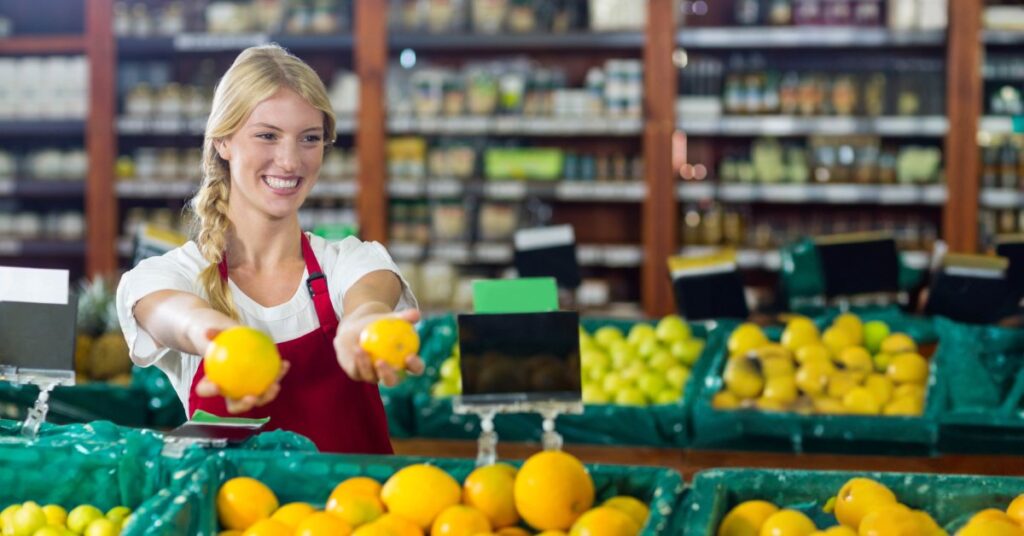
When you walk into a grocery store, the array of colorful and fresh produce displayed in bulk bins is a feast for the eyes. However, few take the time to understand the variety of bulk bins and how they can impact not only your shopping habits but also your health, budget, and the environment. Produce bulk bins are not all the same; they cater to different needs, from preserving freshness to minimizing waste. By familiarizing yourself with the different types of produce bulk bins, you can design your store to utilize the perfect configuration of different produce bins.
Open-Air Produce Bins
Open-air produce bins are ubiquitous in most grocery stores and farmers’ markets. These bins showcase fruits and vegetables in their natural state and make produce easily accessible to shoppers. Their open design allows air to circulate around the produce, helping prevent spoilage and maintain freshness for items such as apples, oranges, and onions, which thrive in this environment.
While convenient, these bins may expose produce to handling by multiple shoppers or fluctuating temperatures, underscoring the importance of thoroughly washing produce before consumption. For people who favor variety and enjoy selecting each piece of produce personally, open-air bins are the perfect solution.
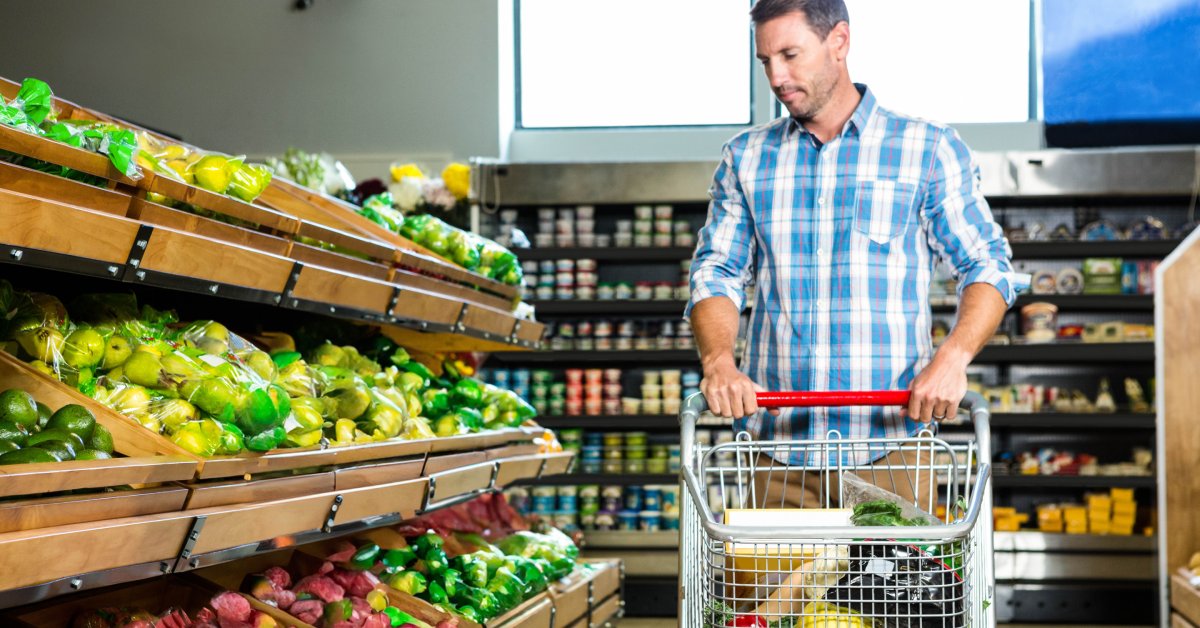
Refrigerated Bulk Produce Bins
Certain fruits and vegetables require cooler conditions to maintain their quality and nutritional value. Refrigerated bulk bins are designed specifically for such items as leafy greens, berries, and cucumbers. Equipped with temperature-controlled settings, these bins help extend the shelf life of delicate produce by providing an optimal cool environment.
Shoppers who prioritize freshness will appreciate the benefits of these bins. However, it’s equally essential for shoppers to store refrigerated produce appropriately after purchase to maximize its longevity. These bins are essential in reducing waste, as they slow down the natural degradation process of perishable goods.
Gravity-Fed Bins for Dry Produce
Gravity-fed bins are often associated with dry bulk items like grains, nuts, or seeds. However, in some stores, these bins are also used for certain types of produce, such as root vegetables or dried fruits. Gravity-fed bins are a popular choice for their hygienic design since the produce is dispensed through a chute, limiting exposure to human touch and keeping the items fresh and uncontaminated.
Many stores use these bins as part of an effort to reduce packaging waste, encouraging shoppers to bring their own reusable bags or containers. They also allow customers to purchase precise quantities, minimizing food waste and helping households manage their budgets more effectively.
Wooden Bulk Bins for Rustic Appeal
Wooden bulk bins have a distinct aesthetic appeal, often evoking the charm of a traditional farm stand. They are frequently employed for hardy produce items such as potatoes, pumpkins, or squash, which can withstand more rugged storage methods. These bins are durable, sustainable, and often used in stores or markets that emphasize eco-friendly practices.
Beyond their environmental advantages, wooden bins also have a natural insulating quality that helps keep produce from being exposed to extreme temperature shifts. Shoppers looking for large quantities of produce often find these bins ideal, as they are typically designed for easy access and volume.
Hybrid Produce Bulk Bins
Some stores have adopted a hybrid approach to cater to the diverse needs of shoppers and the specific requirements of various produce types. Hybrid bulk bins incorporate elements of open-air displays, refrigeration, and functional designs like chutes or self-dispensing mechanisms.
These versatile bins often feature adjustable settings that can be customized based on the type of produce being displayed. For instance, a hybrid bin might store lettuce in a refrigerated section while simultaneously offering carrots in an open-air compartment. This adaptability makes hybrid bulk bins particularly attractive to supermarkets aiming to provide both variety and high-quality storage.
The Benefits of Using Produce Bulk Bins
Produce bulk bins are a key component of sustainable grocery shopping. These bins minimize packaging waste by removing the need for excess plastic or cardboard, aligning with the growing trend of zero-waste shopping. Shoppers are encouraged to bring reusable containers or bags, cutting down on single-use materials that often end up in landfills. Produce stored in bulk bins tends to be fresher, as stores are required to frequently replenish stock to maintain quality. This not only ensures that customers receive high-quality produce but also reduces food waste at the store level.
Another significant advantage of produce bulk bins is their flexibility. Shoppers can purchase the exact amount of produce they need without being bound by pre-packaged quantities. This prevents over-purchasing and makes it easier to stick to a budget. Additionally, the ability to examine and choose each item of produce gives buyers confidence in the freshness and quality of their selections.
Challenges and Considerations
Despite their many benefits, produce bulk bins are not without challenges. One common issue for shoppers is cleanliness, particularly in open-air bins where produce can be handled by many people. This makes food safety an important consideration. Washing produce thoroughly before consumption is essential, and some shoppers may find themselves opting for pre-packaged alternatives to mitigate these concerns.
Another challenge is accessibility. Open-air bins are often designed in a way that suits average-sized adults, which can make it difficult for children, elderly individuals, or people with mobility limitations to reach and select items. Stores with a commitment to inclusivity might consider adjustments to the height or configuration of their bulk bins to serve a wider range of customers.
Finally, some items may not thrive in bulk-bin environments, even if they are stored under optimal conditions. Produce like bananas and avocados often require specialized handling to prevent bruising or damage, which means they are less commonly found in bulk bins. For such items, shoppers may still need to rely on traditional packaged options.
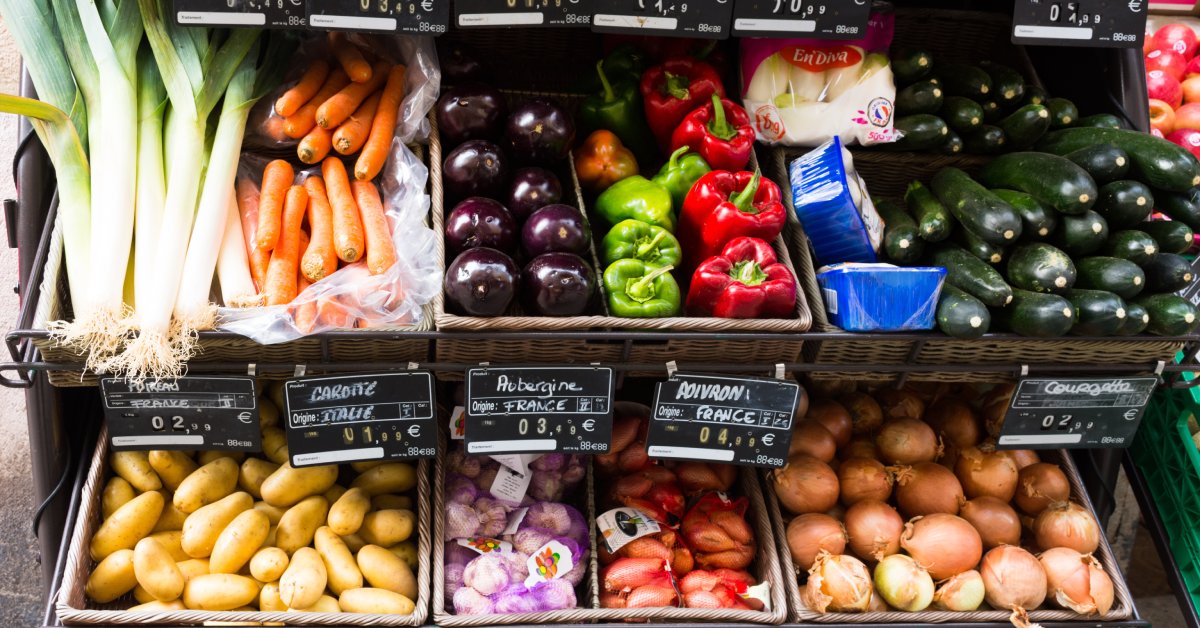
A Step Toward Smarter Shopping
Understanding the different types of produce bulk bins can transform the way your shoppers engage with your store. By becoming familiar with the storage methods and best uses for each bin type, you can make more informed choices that align with your values, be they sustainability, quality, or affordability. Bulk bins not only offer a practical way to purchase fresh fruits and vegetables, but they also reflect the growing emphasis on reducing waste and promoting healthier food systems. Whether you are a dedicated zero-waste advocate or simply someone who appreciates fresh, high-quality produce, the thoughtful utilization of produce bulk bins can change your approach to grocery shopping for the better.
If your store needs corrugated produce boxes to display your fruits and vegetables, United Container is here to streamline your store’s produce display. Don’t hesitate to contact us today and find out how we can help enhance your customer experience.
Posted by