


When it comes to packaging, properly sealing a cardboard box is crucial for safeguarding its contents during transportation or storage. Whether you’re shipping valuable items, moving to a new home, or simply organizing, how you secure a box can directly affect the protection of its contents. We’ll teach you the best sealing methods for a loaded cardboard box to prevent damage to the product and guarantee safe travel.
Understand the Importance of Proper Sealing
The sealing method you choose is not just about keeping the box closed; it’s about creating a protective barrier. Without a secure seal, the contents of the box are susceptible to damage from external factors like moisture, dust, and impacts.
This is particularly vital when dealing with fragile goods or in environments where workers handle boxes frequently. A properly sealed box prevents items from shifting inside, minimizes the risk of theft, and supports the structural integrity of the box itself.
Choose the Right Tape
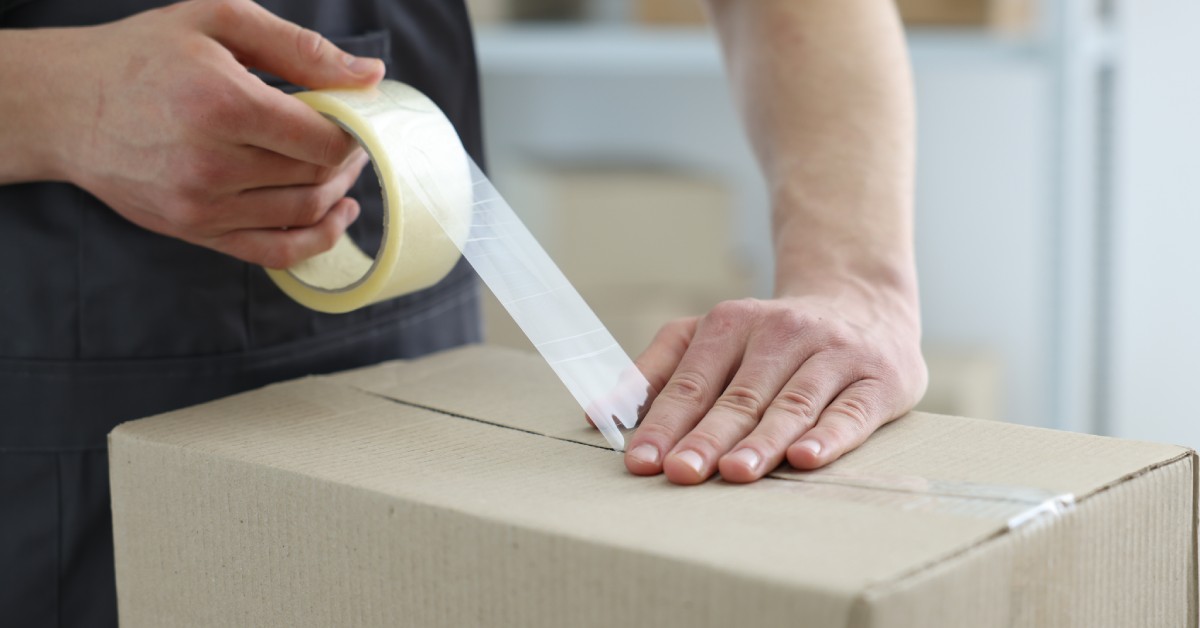
When sealing a cardboard box, selecting the right tape is one of the most important steps. Packaging tape is the standard choice for most applications due to its durability and adhesive strength. Variations like acrylic tape and rubber-based tapes are also popular, each serving different operational needs. Acrylic tapes work well in environments with extreme temperature fluctuations, while rubber-based tapes provide strong adhesion even on dusty or uneven surfaces. Regardless of the type, using high-quality tape ensures a firm seal and prevents peeling over time.
For heavy-duty or large boxes, filament tape is another option. Reinforced with fiberglass, this tape offers high tensile strength, making it ideal for sealing heavier loads. On the other hand, water-activated tape, commonly referred to as gummed tape, creates a tamper-evident seal that works exceptionally well for high-security shipments. Selecting the tape that matches the weight and fragility of your package is a key element of effective sealing.
Apply The H-Tape Method
One popular technique for sealing a cardboard box is the H-tape method. This method involves placing tape along the top and bottom seams of the box, as well as along the outer edges of the flaps. By creating an “H” shape, this technique ensures that there are no exposed gaps, providing maximum protection against dirt or moisture. The H-tape method also enhances the structural rigidity of the box, particularly when dealing with heavy loads.
To execute this method effectively, start by taping the central seam where the flaps meet. Then, tape over both edges to cover any potential weak points. Repeat the same process along the bottom side of the box to ensure uniformity. Commercial shipping environments widely use the H-tape method due to its proven reliability.
Reinforce Weak Spots
Occasionally, cardboard boxes may develop weak points, particularly if previous use has worn them down or moisture has compromised them. To reinforce these areas, additional sealing steps should be taken. Double taping weak seams or using gummed tape over compromised sections can provide the extra support required.
Reinforcing the corners of the box is another often-overlooked strategy. Corners bear a significant portion of the stress during handling and transportation, making them prone to damage. Applying additional strips of tape around the corners can prevent tearing and strengthen the box overall.
Use Straps for Heavy Loads
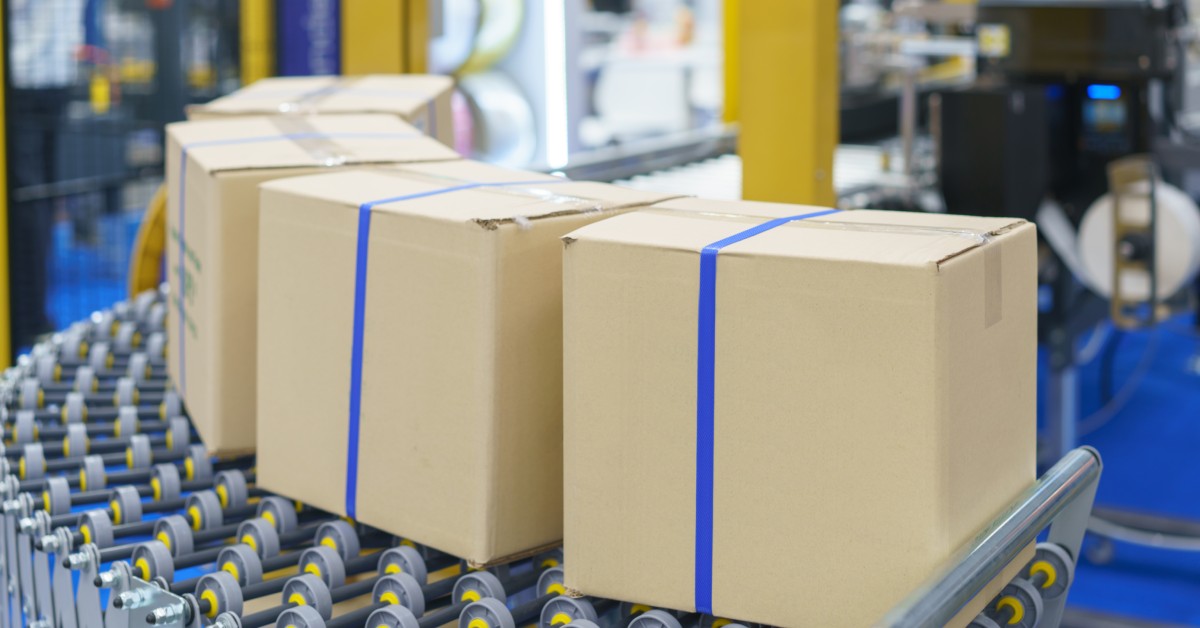
When dealing with particularly heavy or oversized boxes, sealing with tape alone might not be sufficient. Adding straps around the box provides additional support, securely containing the contents. Polypropylene straps are a cost-effective and durable choice for most applications, while polyester straps offer greater strength for industrial use.
You can tighten the straps with manual or automated tools, ensuring the box remains intact under strain. Combining strapping with traditional sealing tape results in a fail-proof method for securing heavy or bulky items.
Secure With Water-Activated Tape
For those shipping valuable or confidential items, water-activated tape offers an excellent solution. This tape bonds with the cardboard material when moistened, creating a tamper-evident seal. Any attempt to open a box sealed with water-activated tape leaves visible damage, making it immediately clear if someone has compromised the package.
This level of security is particularly advantageous for e-commerce businesses or shipments requiring high accountability. Water-activated tape is environmentally friendly, as manufacturers typically make it from kraft paper and biodegradable adhesives.
Explore Alternative Sealing Methods
While tape is the most common sealing material, other methods can be beneficial depending on the context. Glue-based sealing is an option for lightweight applications or when aesthetics are a priority, as it provides a clean, seamless look. Stapling is another method used in warehouse settings for cardboard boxes that need to be sealed quickly. However, staples are generally best paired with tape to ensure maximum durability and protection.
Modern sealing technologies, such as heat-sealing machines, are also gaining traction in some industries. Heat sealing utilizes a thermal adhesive to bind the flaps of the box, creating an airtight and waterproof seal. This method is particularly suitable for food-grade packaging or other applications where hygiene is a high priority.
Avoid Common Mistakes
Despite the abundance of sealing tools and techniques, several common errors can undermine your efforts. Using low-quality tape may result in poorly adhered seals that fail under stress. Similarly, failing to clean dusty or damp surfaces before applying tape can reduce adhesive strength. Underestimating the weight of the contents and choosing a sealing method that does not accommodate the load can lead to splits or breakages during transit.
Also, be sure to avoid overpacking the box. Excessive internal pressure can cause taped seams to burst. Instead, use a box size that is appropriate for the contents and ensure a snug fit with padding material to stabilize items.
Test Your Sealed Box
Once the box is sealed, a quick test helps ensure its readiness for transport. Gently lift the box from all sides, checking for any gaps or weak areas in the seal. If you feel the box flexing or hear sliding noises, reevaluate the seal by adding reinforcement.
For heavier shipments, conducting a drop test provides reassurance. Drop the box from a moderate height and inspect for any gaps or loosened tape. Properly sealed boxes should withstand such tests without issue.
Protect Your Product
Knowing how to seal a cardboard box effectively requires more than just a strip of tape. It involves using the right materials and techniques to secure its contents against potential damage. Whether you are shipping products across the country, moving your belongings, or storing items long-term, the effort you put into sealing boxes pays off in the form of reliable protection. By following proven methods like the H-tape technique and choosing the correct materials, you can confidently ensure your packages arrive intact, no matter the destination.
If you or your organization requires plain cardboard boxes for storage or shipping purposes, we can help. At United Container, we have the box that will benefit you and your endeavors. Contact us today for more information.
Posted by